All articles

VIBEFIX GUIDES

AI Coding Guides

Practical knowledge for tools, deployment, workflows, and building projects.

Enterprise-themed cover art: demo-stage spotlight contrasted with delivery documents and stamps
Guide
The Boundaries of Vibe-Coded toB: Between "Demo" and "Delivery" Lies a SOC 2

Vibe coding's sweetest moment is the demo — but sign a toB contract and start delivering, and a chasm opens between demo and delivery. This piece draws four boundaries: security compliance is a hard gate (quote at 5x demo cost), maintenance liability is bottomless (never promise a free year), requirement changes must be billed (block the "quick change"), data ownership and IP go in the contract. The thesis: between "demo" and "delivery" lies a SOC 2 — and SOC 2 can't be vibed.

Application SecurityProduct StrategyStartup Journey

A gavel beside a laptop displaying code, symbolizing software license compliance
Guide
Who Owns the License on Agent-Written Code? A Compliance Self-Audit for Vibe Projects

Your agent may be pasting GPL code into your closed-source project without you knowing — and 'the AI wrote it' is not a legal defense. This guide maps where the license risk in AI-generated code actually lives: training-data contamination, the state of the Copilot lawsuits, and a self-audit checklist any indie can run tonight.

Developer WorkflowIndie DevelopmentSecurity & Privacy
Context-themed cover art: an information funnel with ledgers and budget charts
Guide
Context Engineering in Practice: It's Budget Management

Context windows keep growing in 2026, but "stuff everything in" buys sky-high bills and diluted attention. This hands-on guide treats context engineering as managing three ledgers: token money (cache everything cacheable, retrieve instead of stuffing, compress history), model attention (important at both ends, structured expression, context decay, reference over copy), and your time (10-minute cap for one-offs, build assets for recurring tasks). Includes a 5-minute context checklist template.

Developer WorkflowTool TipsRAG
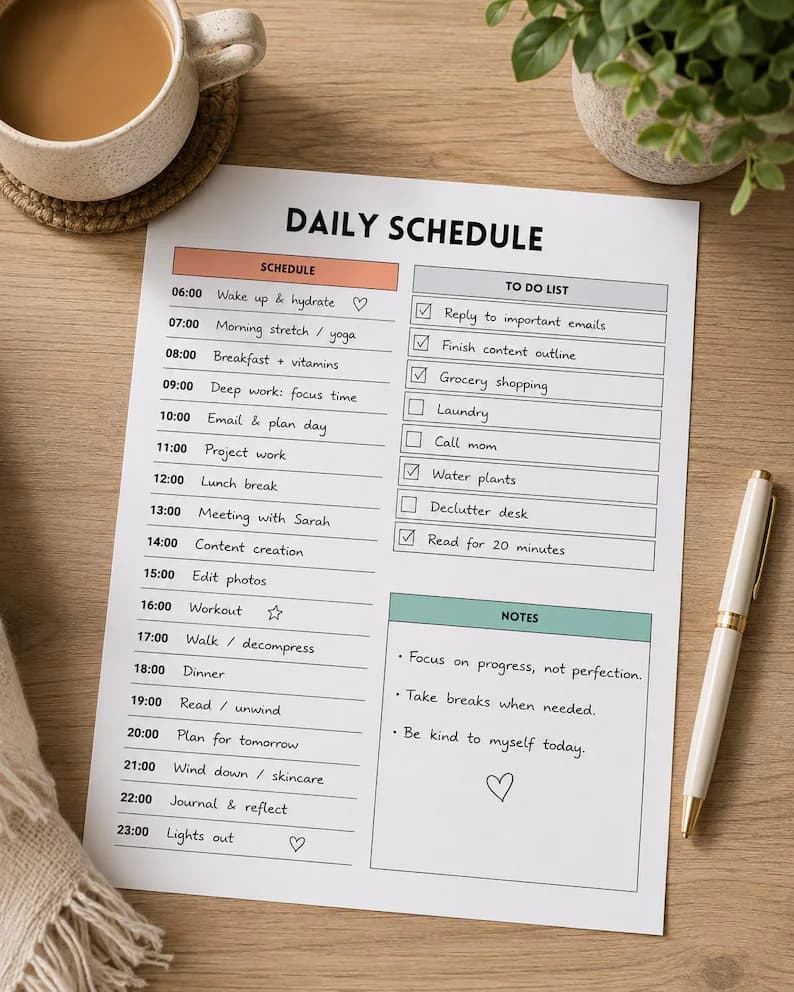
A daily planner sheet and coffee on a desk: a fixed working rhythm designed for solo dev plus AI collaboration
Guide
A Daily Cadence for Solo Dev + AI: Plan in the Morning, Check at Noon, Review at Night

After pairing with AI, the bottleneck shifts from "how fast you code" to "how fast you decide." This guide gives you a copy-paste daily rhythm: 15 minutes of morning planning (1 goal + 3 verifiable tasks), a noon checkpoint (judge against acceptance criteria, not code), and an evening review plus a "context handoff note." Rhythm is the real secret to not getting burned as a solo developer with AI.

Developer WorkflowTool TipsAI Coding
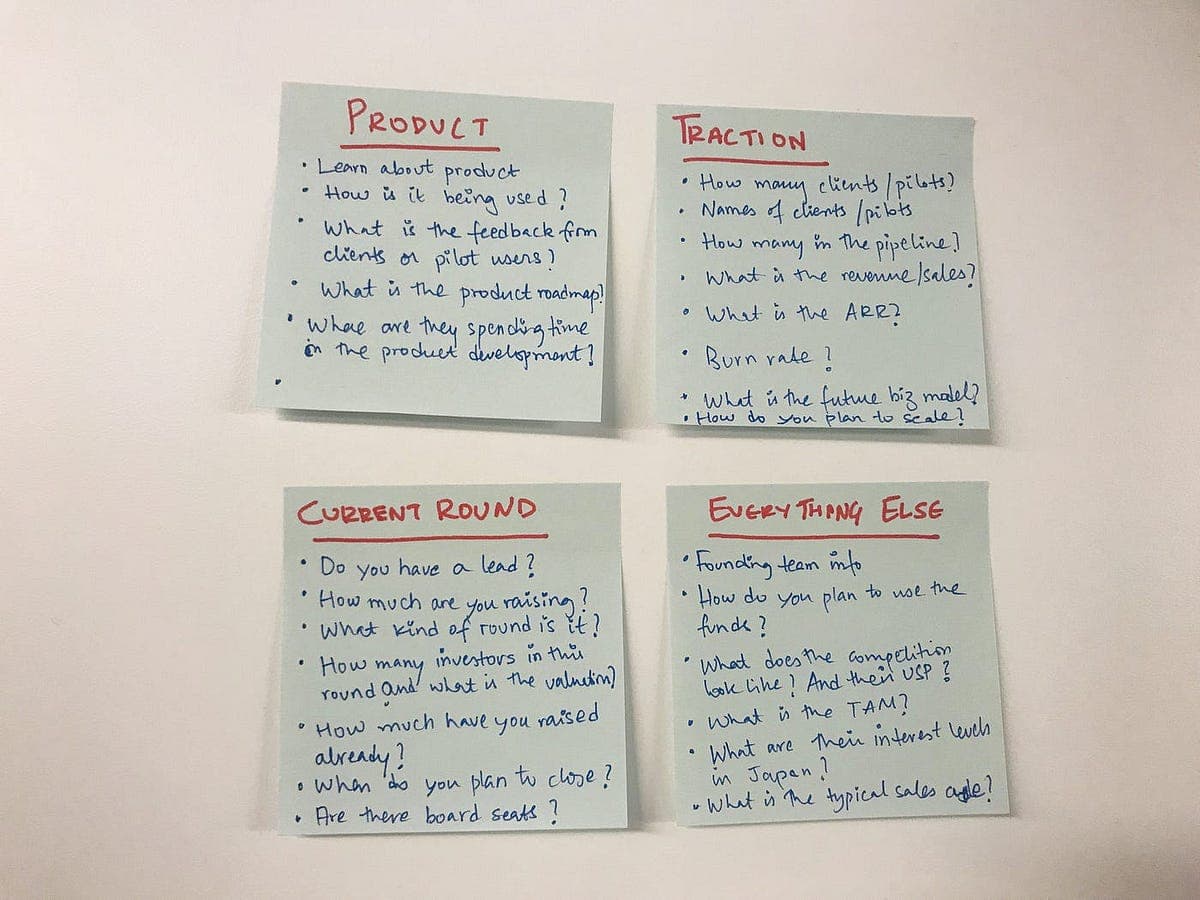
Sticky notes on a whiteboard covered with product questions: Product, Traction, Current Round
Guide
Don't Code Yet: 5 Ways to Validate Demand with AI

The biggest waste in vibe coding isn't wrong code — it's building something nobody wants. AI drives validation cost to near zero: a landing page in a day to test conversion, a fake door button to count clicks, concierge delivery before software, AI-assisted interview synthesis, and presales to see if anyone will pay. Validation isn't procrastination — it's buying the right not to build, at minimal cost.

Indie DevelopmentProduct StrategyAI Coding
A laptop screen showing website analytics charts, symbolizing SEO and traffic growth for vibe-coded projects
Guide
From Being Seen by Search Engines to Being Read by Agents: An SEO/AEO Playbook for Vibe-Coded Projects

Traffic is moving from the search box to the AI answer box. A vibe coder ships a product in a week — and nobody finds it. This guide turns the SEO fundamentals (sitemaps, JSON-LD, Core Web Vitals) and the new AI-discovery toolkit (llms.txt, per-page Markdown versions, FAQ schema, agent-readable pricing and API docs) into a shippable 30-day checklist. The core judgment: how well you document sets your product's ceiling in the agent economy.

Industry TrendsIndie DevelopmentProduct Strategy
A solo developer at a crossroads between a browser window and two phone app icons, weighing web-first against native
Guide
"Don't Build an App": A Web-vs-Native Decision Guide for Solo Teams

For solo teams, a native app is not a starting point but a growth tax — only worth paying in front of validated demand. This guide argues why the AI era favors web-first, lists the five exceptions that truly require native, and gives you a three-dimensional scoring matrix, a 2026 PWA capability map, four data triggers for going native, three migration paths, a weekly maintenance-tax comparison, and a 10-question decision template for a conclusion in 30 minutes.

Mobile AppsDeploymentIndie Development
A developer sitting at a desk, focused on reading code on the screen
Guide
Dig Before You Touch: A First-Week Protocol for Taking Over an Unfamiliar Codebase with AI

In the vibe-coding era, writing code got fast while reading other people's code became the scarce skill. This five-day protocol turns AI into your excavation tool: demand an evidence-backed map, trace one main flow, verify understanding with changes, use git history to explain awkward code, and distill it all into a project context file. Your first week decides the next three months of rework.

Developer WorkflowAI Coding