Winners weren't the best prompt writers but those who best fenced in AI's uncertainty: one mechanic done deeply, fun in 30 seconds, juice serving gameplay, designed to be shared, honest about AI. Includes a 10-question pre-build checklist.
VIBEFIX GUIDES
AI Coding Guides
Practical knowledge for tools, deployment, workflows, and building projects.
AI-generated UI never presses Tab and never turns on a screen reader — accessibility failures are invisible inside its visual feedback loop. This hands-on guide gives you a P0/P1/P2 prioritized checklist, four copy-paste prompt templates, a 30-minute free audit routine, before/after fixes for 6 high-frequency code failures, and a pre-launch acceptance checklist.
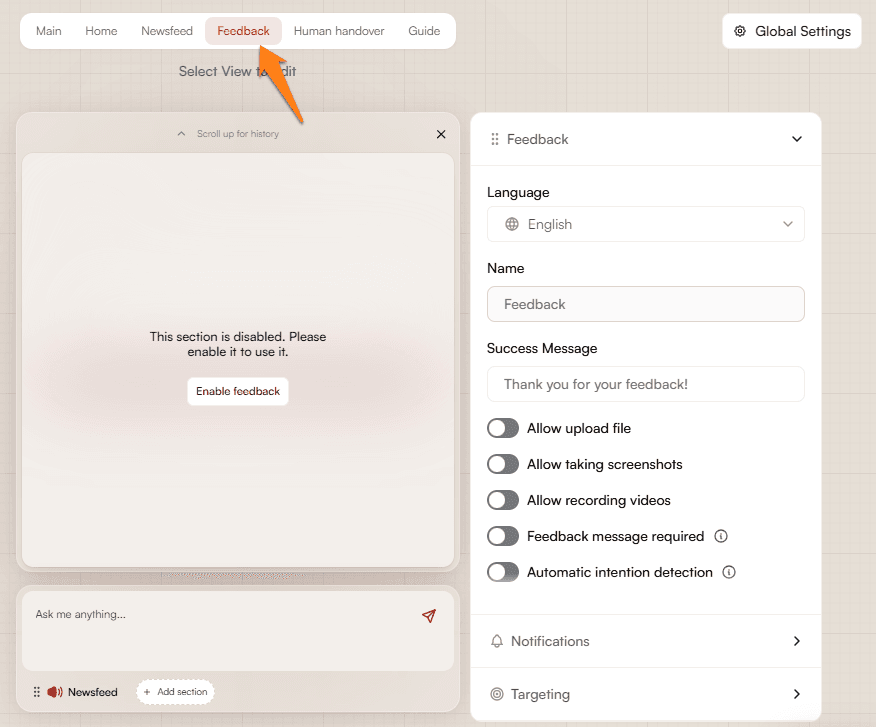
Vibe coding ships fast — then feedback dies in scattered DMs and dead channels. This playbook builds a loop light enough for a solo dev: one main entry + one escape hatch, a 30-second submission rule, the fix/build/won't trichotomy, lightweight RICE scoring, changelog write-backs, a copy-paste three-sentence reply template, a 4-step bad-review protocol, and a 30-minute monthly review SOP — with a working feedback-widget + Discord webhook code sample.
A field guide to directing multiple coding agents in parallel as a solo developer: when parallel pays off, three axes for splitting tasks, git worktree isolation, the kickoff-brief template, the merge review checklist, cost control and zombie-agent termination — plus five real anti-patterns and a daily startup SOP.
AI-written code that runs isn't necessarily good code. This guide covers 7 smells specific to generated code — defensive overkill, apologetic comments, ghost abstractions, and more — each with detection tips and fixes, so you catch them before they fossilize.
Plenty of people add items to the cart; only three in ten actually pay. This guide smooths the road between the two: what belongs in the cart, whether stock is reserved at order time or deducted at payment, how many steps checkout should have, when to mention shipping and tax, how to keep an order alive when payment fails, how many abandoned-cart reminders to send, and what to do differently on a phone.
How many "god-tier prompts" are rotting in your bookmarks? The third time you paste the same prompt, it should graduate from a one-off instruction into an installable Skill. The real difference between prompts and Skills, three upgrade signals, and a hands-on skill directory walkthrough.
User emails and login tokens sitting in your console.log? This guide gives solo teams a complete log-redaction playbook shippable in a day: a four-tier PII classification table, copy-paste TypeScript redaction trio, minimal console.log-to-pino migration, request-logging middleware templates, Sentry beforeSend config, tiered retention and cost math — plus 8 real-world pitfalls.
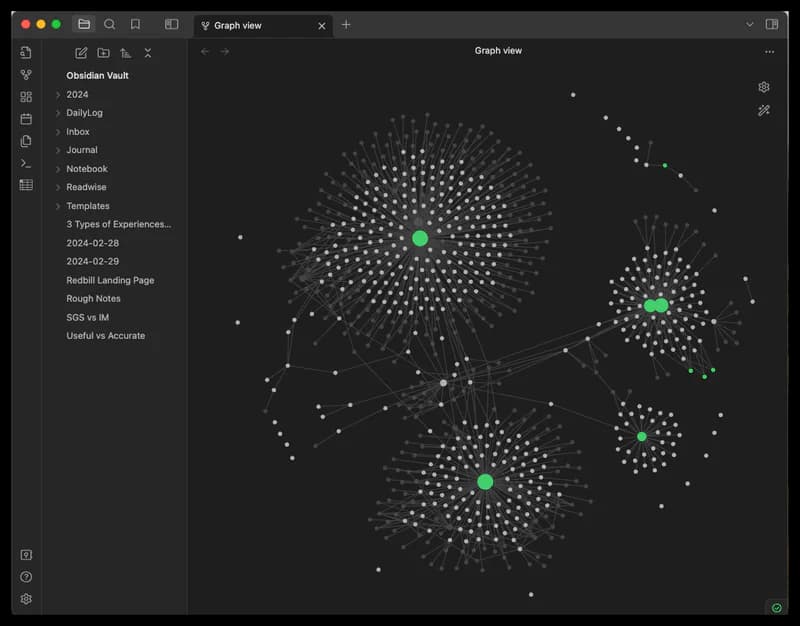
Obsidian is a local-first Markdown note-taking app: free, offline-capable, and built around bidirectional links plus 2,000+ community plugins that turn scattered notes into a living knowledge network. This guide walks you from installation, interface tour, links, graph view and Canvas to plugin picks, sync options, pricing, and a hands-on Zettelkasten workflow, with real screenshots at every step.
A waitlist is not a wishing well — it's a conversion funnel. This guide covers the four waitlist models and a decision table, a one-day Next.js + Supabase implementation (signup API, double opt-in, queue ranking, referral scoring), a week-by-week 30-day operating rhythm, anti-fraud tactics, five launch-day moves, metric thresholds for validation, and how to fix the classic failure of a long queue with nobody showing up.