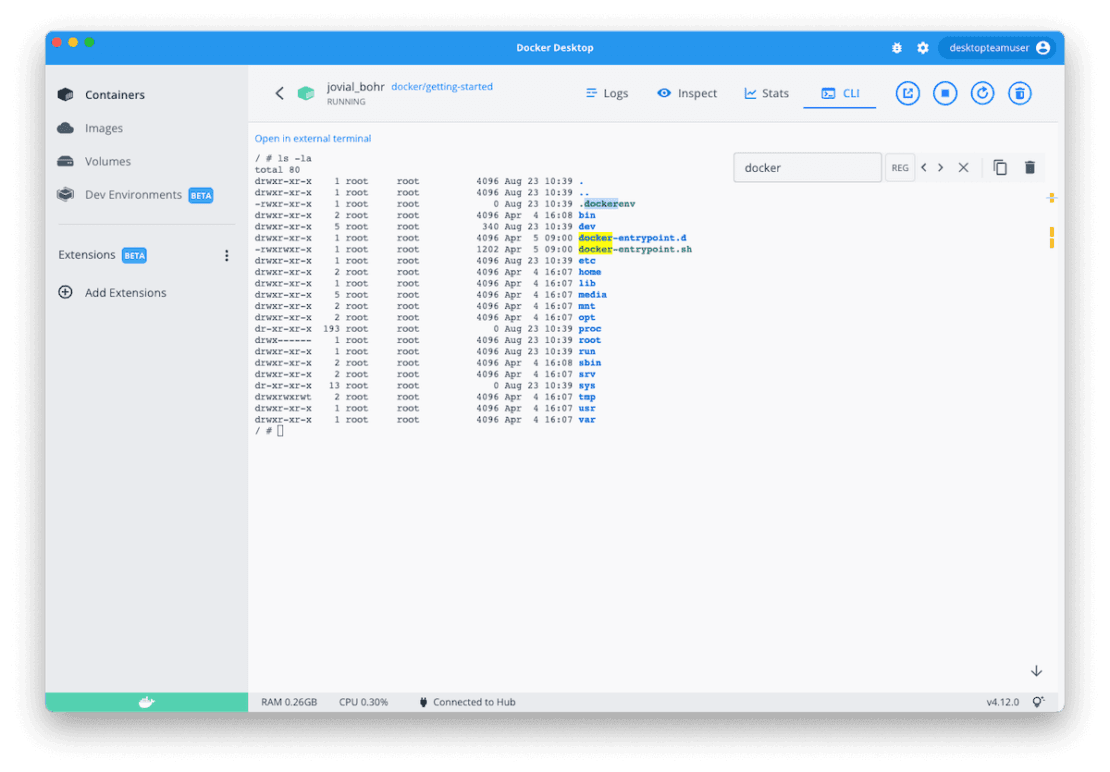
On Oct 8, Docker's docker CLI plugin Docker Agent hit the HN front page (290 points / 133 comments). It defines agents in declarative YAML (agent.yaml) — 'no code required' — with container-style commands. Model-agnostic (7 providers), native MCP tools, built-in think/todo/memory, full RAG stack, multi-agent delegation. Killer move: agents push/pull to any OCI registry like images, making definitions versionable, PR-reviewable artifacts. Repo dates to Sep 2025: 10,735 commits, 263 releases.
VIBEFIX EXPLORE
Explore what to build next
Reusable AI coding guides, tool updates, and signals from the builder ecosystem.
Featured
Latest
Vibe projects die most often the same way: a new version shipped to 100% of users in one shot, one bug, and the whole site goes down with it. This guide gives solo developers a practical canary-release and rollback playbook — DIY TypeScript feature flags, percentage and segment rollout strategies, health metrics with automatic rollback triggers, a one-click rollback SOP, and the anti-patterns that turn canaries into false confidence.
A field guide to directing multiple coding agents in parallel as a solo developer: when parallel pays off, three axes for splitting tasks, git worktree isolation, the kickoff-brief template, the merge review checklist, cost control and zombie-agent termination — plus five real anti-patterns and a daily startup SOP.
Theo Browne had LLMs port the TypeScript 7 compiler to Rust: 181,711 tests green, 13x faster than tsc 6 on VS Code. The real story is the bill — $400K of Codex tokens got stuck at 84%, then Claude Opus 5.5 finished it in two weeks. Plus the trust question nobody can dodge: the author has never read a line of the code.
Sigil Wen, 20, self-taught, once ran GPT-2 on an Apple Watch. On October 6 he launched Underdog, a personal AI assistant with a 27B model running fully on-device — free, ad-free, monetized via Stripe payment fees. A breakdown of the tech, the business model, and pricing lessons for indie AI builders.
ARTEX — an open-source AI pentesting agent by a Chinese developer — was used to breach 9 Korean banks and steal nearly 68,000 customer records. Its author has now shut it down and gone closed-source. We reconstruct the timeline, break down the AI attack chain, and ask the hard question: how responsible is a tool's author for what the tool does?
AI helped you ship a tool in four days, but a month later you can't answer: how many people visited, where they came from, where they dropped off. This hands-on guide ships a complete analytics setup in three days — tool selection, 5 core events, Next.js tracking code, privacy compliance, and three weekly reports that turn data into decisions.
AI-generated project scaffolds ship with no search, and users who can't find anything assume the product is empty. This guide covers a three-layer mental model, a Postgres tsvector vs. Typesense comparison with runnable code, and the details that matter: debouncing, highlighting, empty states, typo tolerance, plus a launch checklist.
On October 3, 'Sites in ChatGPT' hit the HN front page with ~209 points and 218 comments. Not a launch — a reckoning: is prompt-to-URL a toy, a prototype host, or a productivity tool? The four debates, the doc-backed facts (D1/R2, sign-in, custom domains), and three verdicts for vibe coders.
On October 3, engineer Kevin Liao published a polemic that hit the HN front page: agent memory plugins are a lottery over RAG snippets; what agents need is a documentation workspace. The essay's diagnosis, its open-source Operator Memory plugin, the two strongest objections, and the minimal practice you can start tonight.