Anthropic's free opt-in OSS Scanner uses its strongest models, including Claude Mythos, to periodically scan open-source projects. Reports are fully model-generated with no human review. Models surfaced 29,000+ candidate vulnerabilities in six months; PostgreSQL, OpenSSL, wolfSSL, and curl all responded positively. We break down the mechanics, the data, and the controversies.
VIBEFIX EXPLORE
Explore what to build next
Reusable AI coding guides, tool updates, and signals from the builder ecosystem.
Featured
Latest
You can't eliminate hallucinations, but you can design down their damage. A field guide for vibe builders: three kinds of user harm with real crash cases, a three-tier confidence UI, traceable citations, draft-badge and disclaimer rules, a correction loop with code and prompt templates, circuit breakers for medical/legal/financial red lines, a weekly 30-sample spot-check SOP, and an 8-item pre-launch checklist.
Vibe projects rarely die from missing features — they die in the first minute after signup. This field guide argues onboarding's job isn't to teach the product but to deliver the promised value fast: a Value Promise Canvas to find your Aha moment, a decision table for three onboarding patterns, 7 signup fields to cut, empty-state copy templates, a paste-ready 3-step React tour component on localStorage, 4 funnel metrics with event naming, and a 10-item pre-launch audit.
On October 6, Cursor's changelog announced Remote Control: the iOS app can now see local agents running on your computer and message them. Compute stays local; only your line of sight moves into your pocket. Within a week of Conductor's iPhone app, two vendors bet on the same interaction — agent programming is shifting from 'terminal dialogue' to 'pocket foreman,' and the workflow is becoming launch-leave-intervene.
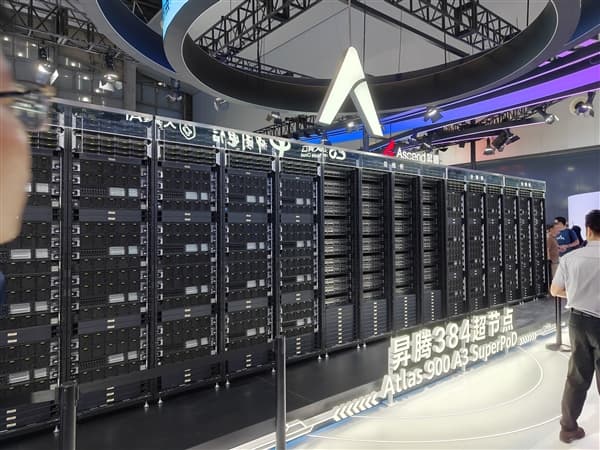
On September 30, DeepSeek open-sourced six infrastructure components for Huawei Ascend: TileLang for Ascend, DeepGEMM, DeepEP, TileKernels, FlashMLA, DeepSelect — each mirroring a piece of NVIDIA's toolchain. TileLang wraps Ascend C so the same Python APIs run on NVIDIA GPUs and Huawei NPUs. These components already power most operators behind DeepSeek V4 training, MIT licensed. Caveats: numbers were measured on unreleased PoC hardware; some communication primitives are still being optimized.
On October 6, 2026, OpenAI and Atlassian announced an expanded partnership: GPT-6 Astra and the GPT-5.6 series power agents across Atlassian's platform and Rovo, while ChatGPT and Codex connect to Jira, Confluence, and Bitbucket enterprise context via MCP plugins. 3,000+ Atlassian developers already use Codex internally. This piece breaks down the two-way architecture, the Teamwork Graph context layer, the still-exploratory Jira agent roadmap, and three signals for indie developers.
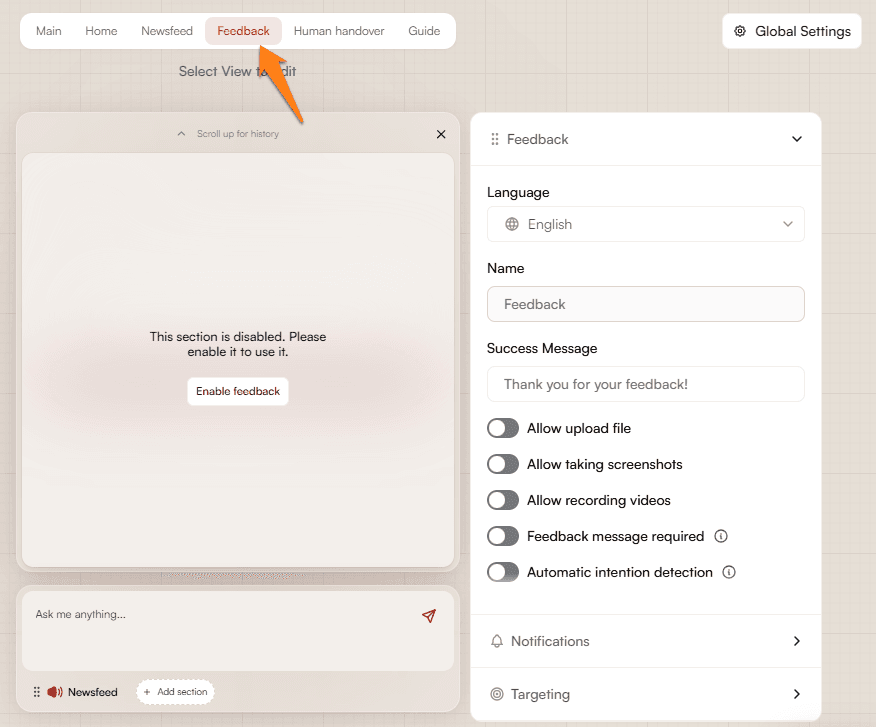
Vibe coding ships fast — then feedback dies in scattered DMs and dead channels. This playbook builds a loop light enough for a solo dev: one main entry + one escape hatch, a 30-second submission rule, the fix/build/won't trichotomy, lightweight RICE scoring, changelog write-backs, a copy-paste three-sentence reply template, a 4-step bad-review protocol, and a 30-minute monthly review SOP — with a working feedback-widget + Discord webhook code sample.
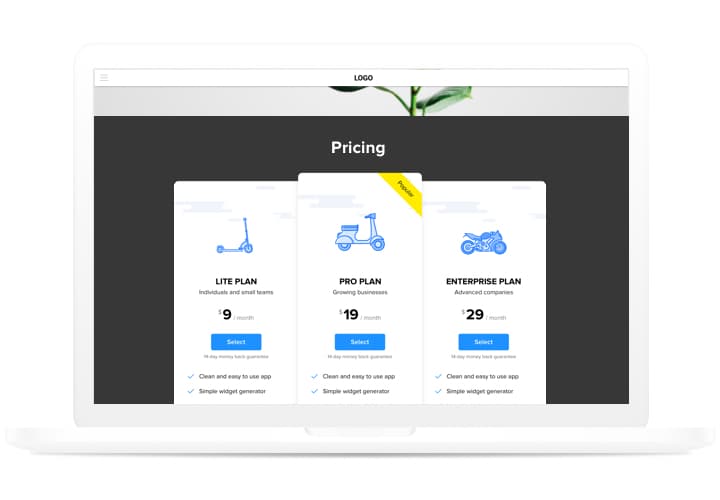
A pricing field guide for solo and small-team vibe coding projects: three-tier anchoring and decoy effects that don't get you caught; where to draw the free/paid line (usage quota vs feature gates vs seats); no-card vs card-required trials with real numbers; the three right moments for a paywall and copy that converts; five signals your pricing is wrong; Stripe details the docs skip; plus copy-paste Next.js paywall code and a pre-launch checklist.
One prompt, six unsupervised hours: GPT-6 Astra finished a three.js visualization of Calvino's 55 Invisible Cities in 53 minutes for $10, while Claude Opus 5.5 took 85 minutes, 6 parallel subagents and $74 — and declared a 'jump' for design tasks. A field report on vibe coding's limit case, model selection, and the token ledger.
Vercel added stealth reasoning model Glyph Cluster to AI Gateway (Oct 7): coding plus long-context analysis, function calling, streaming. Pro/Enterprise teams with purchased credits use it free during stealth (stealth/glyph-cluster), selectable in Claude Code, Codex, Cursor. Why indie developers should benchmark it, the gateway's failover and budget value, and the limits: text-only input, no structured outputs, no ZDR — prompts may train the model, so set a data boundary first.