DuckDB v2.0's CLI can now tell whether its caller is an AI agent: box tables become compact Markdown, truncation is declared explicitly, errors ship as JSON, and long queries quote their cost first. Official benchmarks on 22 plain-English TPC-H questions show 59% fewer output tokens — and an honest 0.5% total cost saving. A paradigm-shift case study in redesigning CLI output for the model reader.
VIBEFIX EXPLORE
Explore what to build next
Reusable AI coding guides, tool updates, and signals from the builder ecosystem.
Featured
Latest
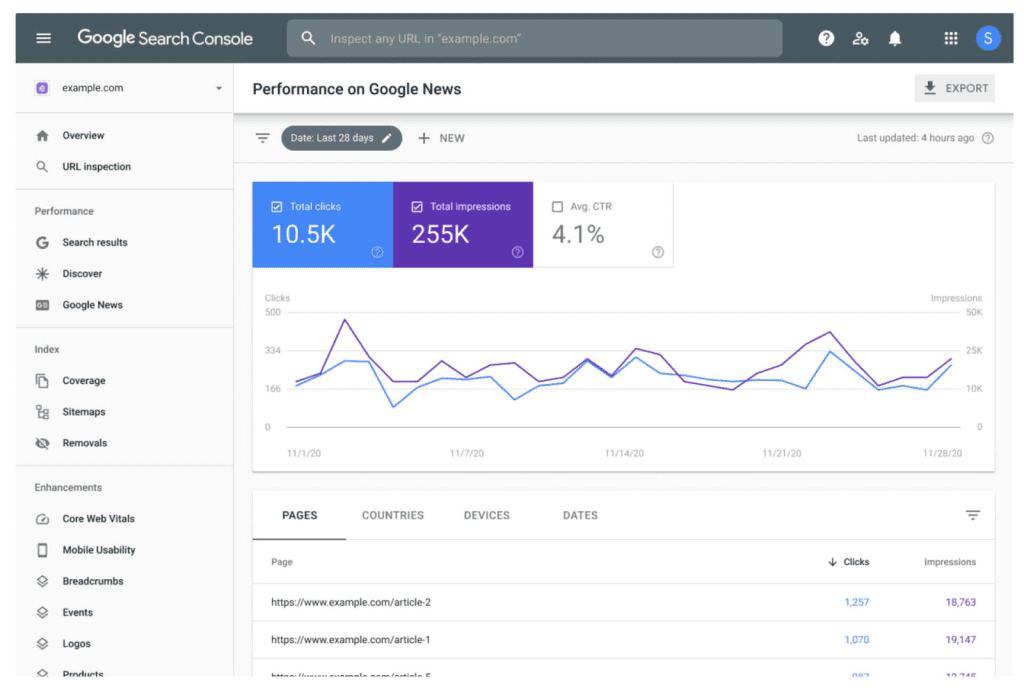
Your vibe-coded site is live — now nobody can find it. This guide gives you the full organic-traffic playbook: a 30-item technical SEO checklist in three tiers, copy-paste Next.js metadata and sitemap code, dynamic OG image generation, safe programmatic SEO without triggering Google penalties, three content growth plays (docs-as-marketing, public changelogs, tutorial topic formulas) with a 4-week calendar, the 4 Search Console reports worth watching, and 5 anti-patterns.
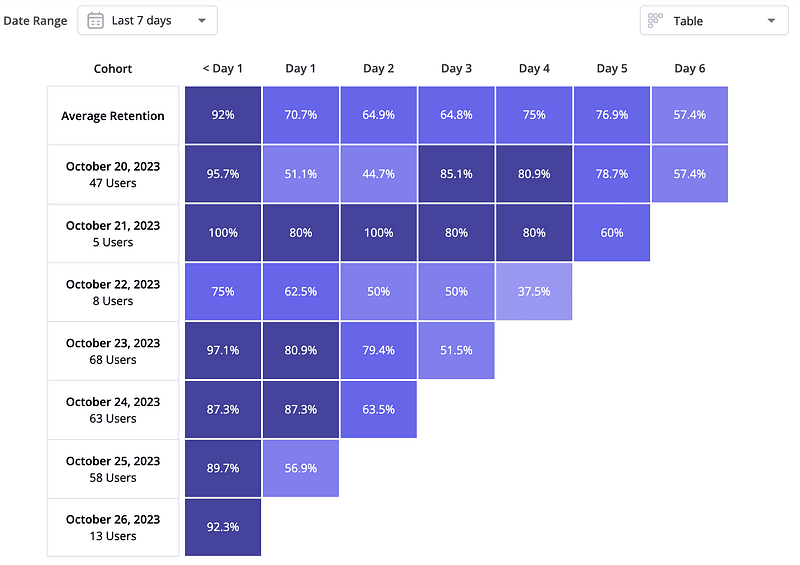
Launch day is the peak; what follows is the war. This hands-on guide covers defining D1/D7/D30 without fooling yourself, reading cohort tables, segmenting churned users into 4 tiers and 6 churn reasons, a channel selection matrix, 3 copy-paste win-back email templates, tiering SQL, PostHog/Plausible setup notes, a Resend vs self-hosted SMTP comparison, 5 anti-patterns, and a day-30/60/90 review checklist.
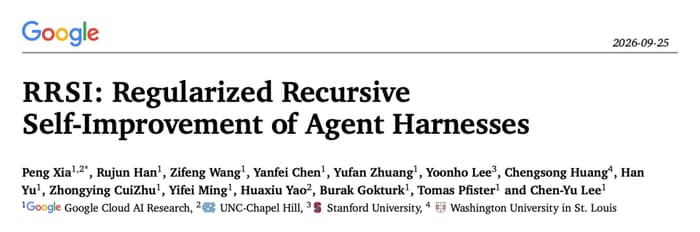
Google, Google DeepMind, UMD and UVA propose RRSI: don't lock down what agents can change about themselves — regularize how they search. Unregularized evolution hit 92.8 evolve score but only 40.3 OOD; RRSI reached 90.5/43.6 with fewer tokens. The data-backed case that self-improvement itself needs regularization.
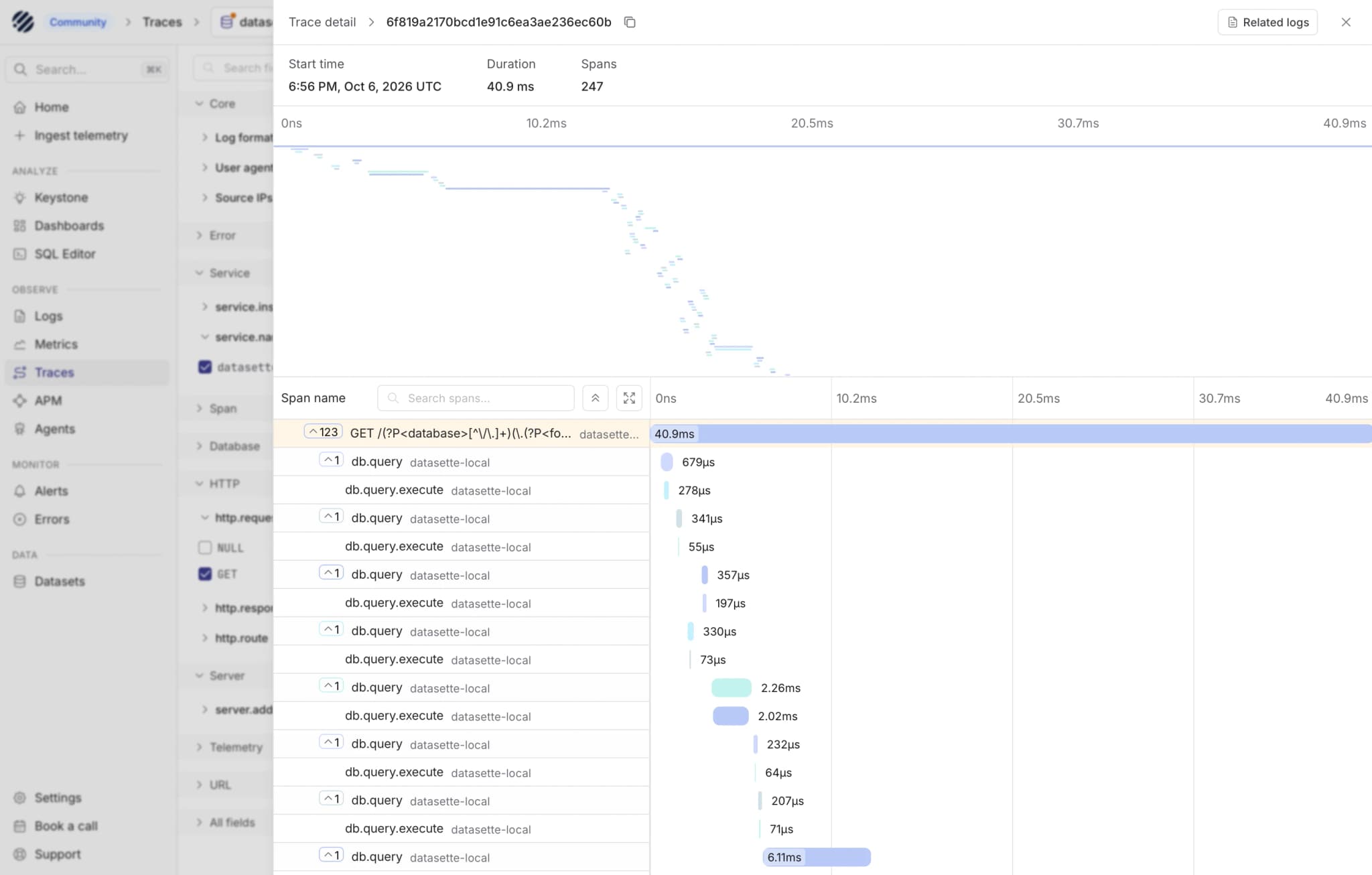
Parseable hit Show HN on October 6: AGPL open source, Rust-built, a single ~180MB binary as a complete observability backend. Simon Willison had Codex figure out deployment on its own and piped Datasette's OpenTelemetry traces into a span waterfall. We unpack the single-file philosophy, the AGPL/Elastic history, the Datadog/Grafana/SigNoz landscape, and three buckets of cold water.
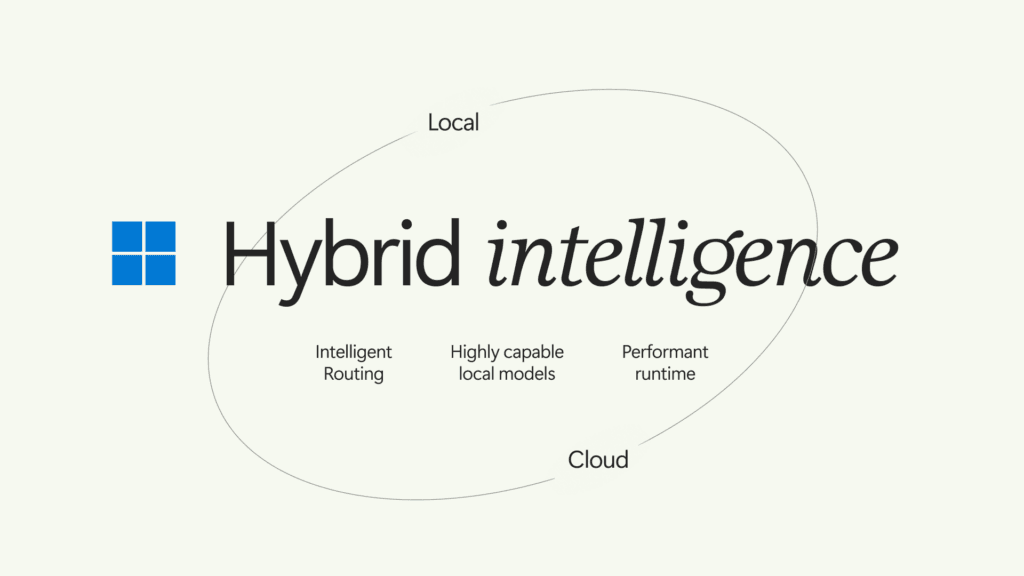
Microsoft's October 7 'hybrid intelligence' play: Microsoft Execution Containers GA on Windows 11 with policies enforced outside agent control; MAI-Code-1.1-Flash (137B/6.8B) quantized to 3-bit for devices; GitHub HydraFusion extended to Windows, routing tasks between local and cloud models. We break down the trio, the cost controversy, and what it means for indie developers.
Most vibe projects don't die from being bad — they die from nobody knowing they launched. This combat manual covers the 14-point pre-launch checklist, a 24-hour T-day timeline with five action nodes, copy templates for Product Hunt / Show HN / X / Xiaohongshu, the warm-up arsenal (waitlist, build in public, KOL test list), comment-section combat scripts, a three-level traffic plan with Vercel/Cloudflare setups, and the five funnel numbers that decide whether to keep going.
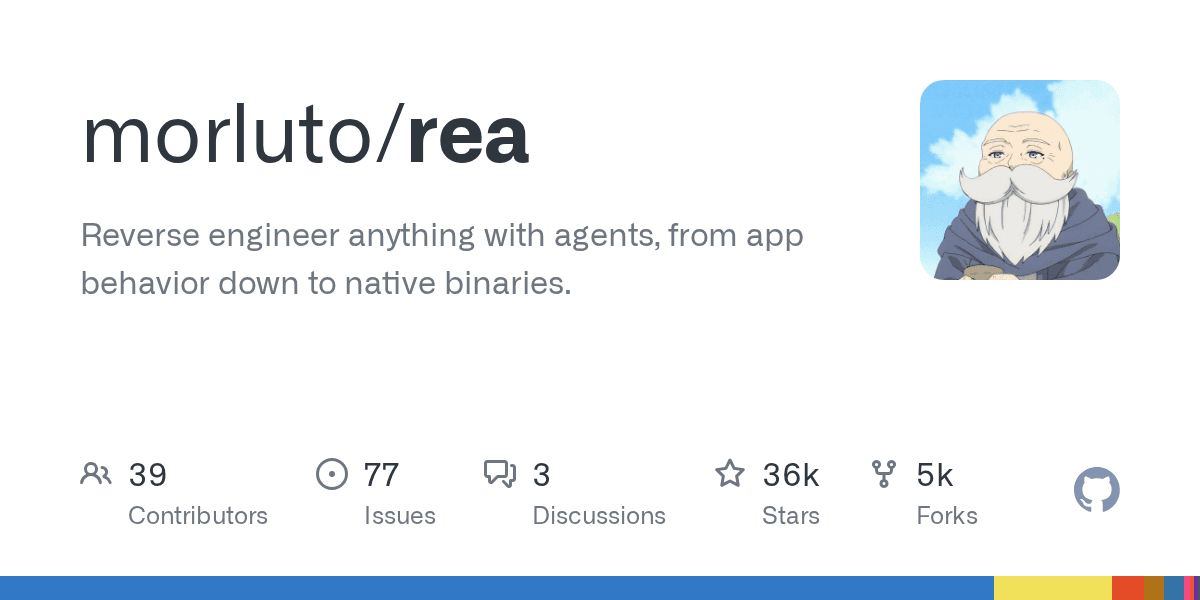
On October 9, REA (Reverse Engineer Anything) gained roughly 13,000 GitHub stars in a single day, topping GitHub Trending's dev-tools daily ranking. It wraps decompilation and static analysis into an MCP server + CLI - one npx rea-agents setup lets 12 coding agents, from Claude Code to Cursor, read binaries with no source code. We break down its methodology, capability map, and the gray areas of reverse engineering.
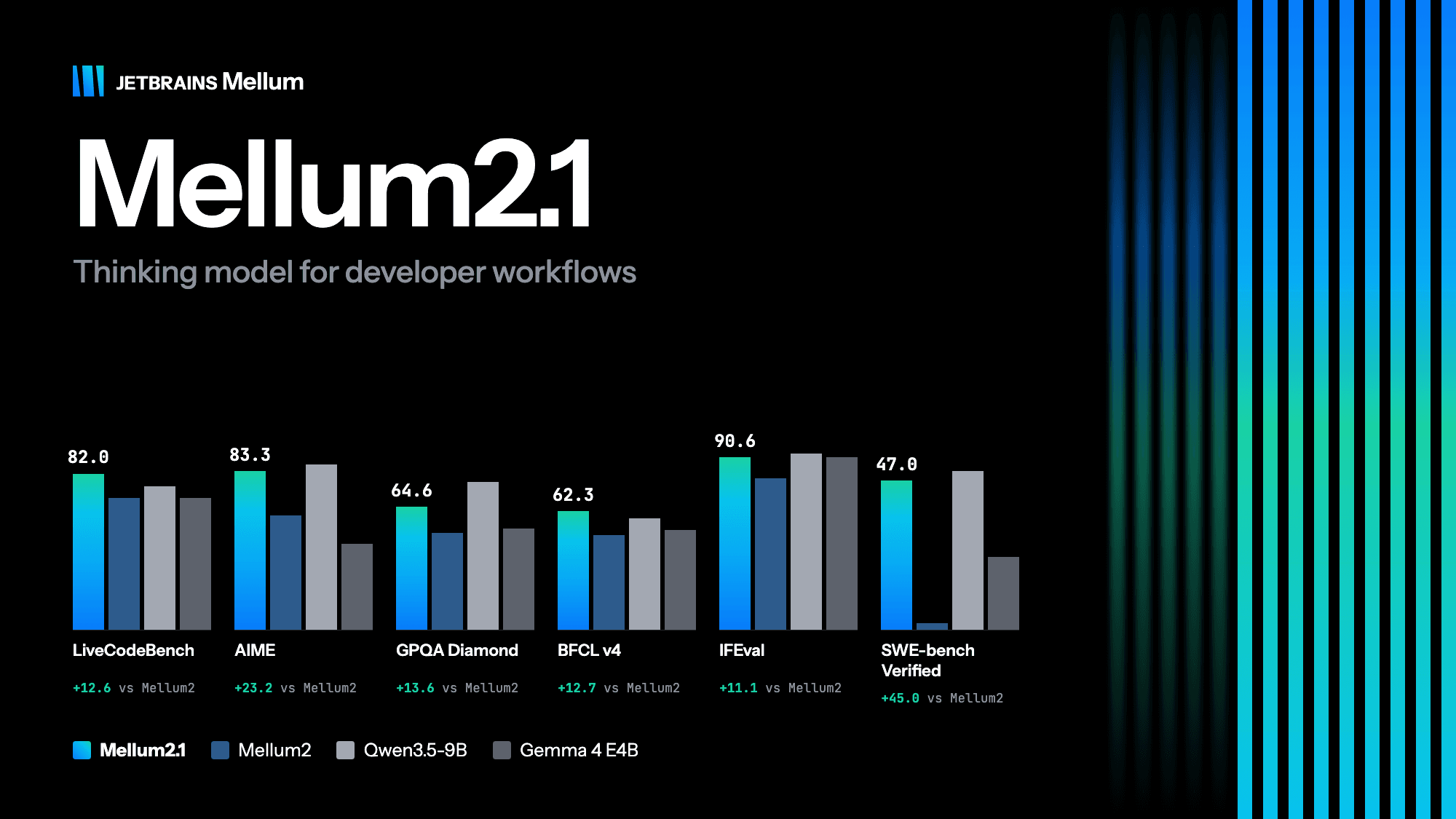
JetBrains has open-sourced Mellum 2.1, a 12B MoE model activating only 2.5B parameters per token. With its architecture unchanged since June, reinforcement learning in real environments lifted SWE-bench Verified from 2.0 to 47.0. Apache 2.0 licensed and self-hostable, it is positioned as the fast, cheap execution layer for coding agents — strong on coding and tool use, still trailing Qwen3.5-9B on the hardest agentic tasks.
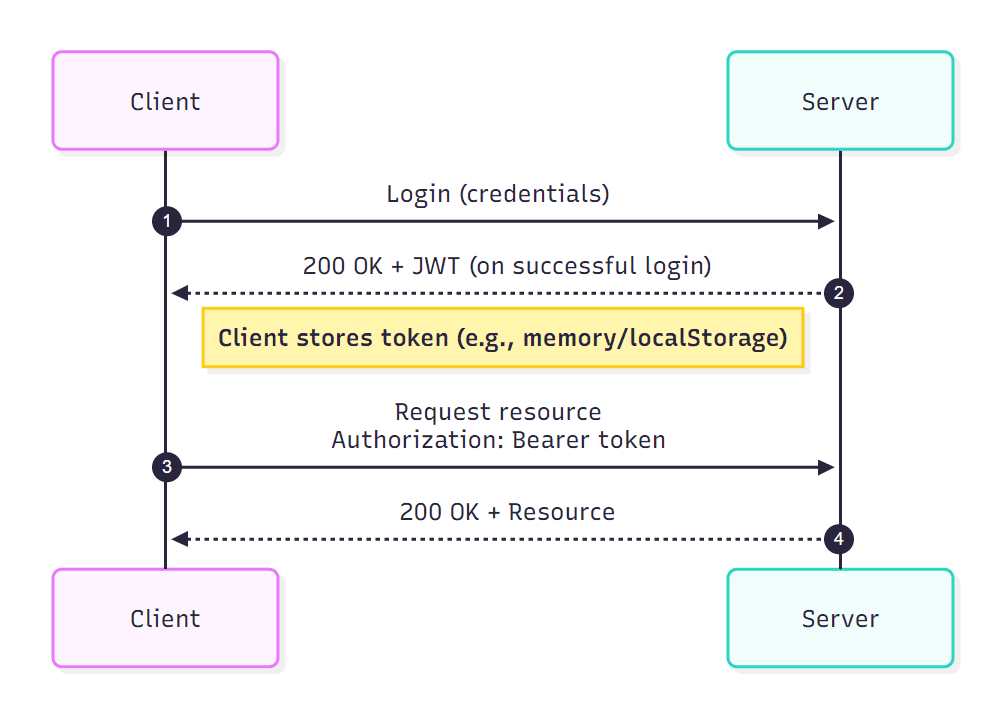
AI-generated login code runs but is riddled with holes: tokens in localStorage, weak password hashes, unthrottled endpoints. This hands-on guide gives you a four-quadrant selection matrix, fixes for 5 typical vulnerabilities, a Next.js middleware guard pattern, Supabase RLS policy templates, a third-party login pitfall checklist, and a 10-question pre-launch self-audit — all code copy-paste ready.