VIBEFIX EXPLORE

Explore what to build next

Reusable AI coding guides, tool updates, and signals from the builder ecosystem.

Featured

Latest

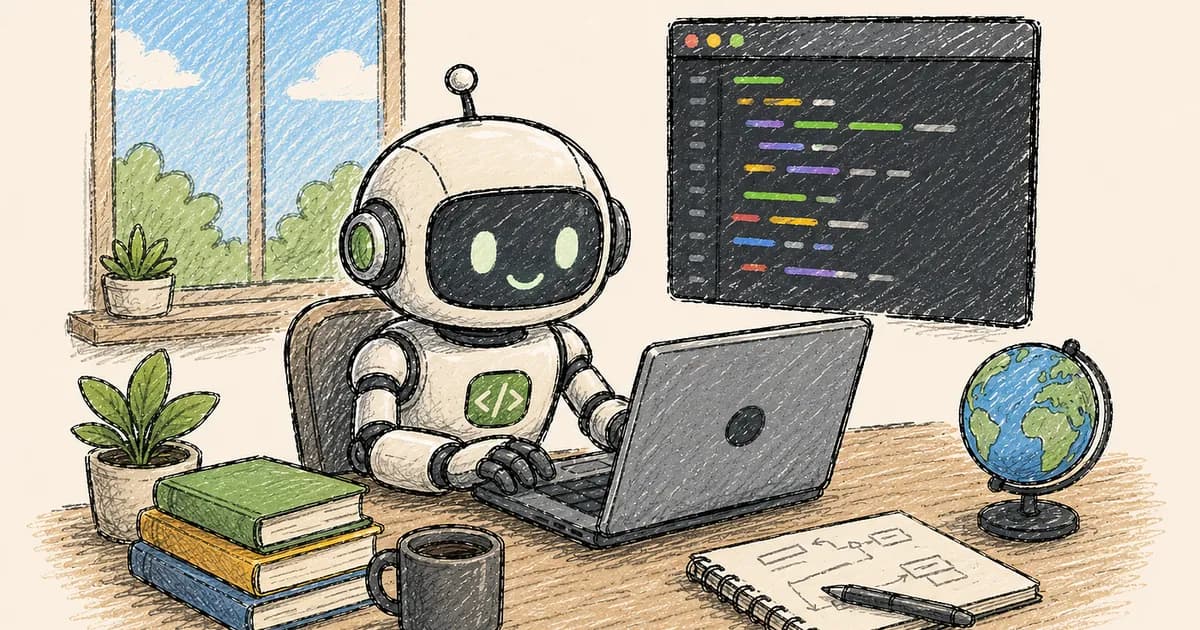
A small robot sitting at a desk coding on a laptop, symbolizing Haiku 5.5's new positioning as an AI coding subagent
News
Small Models Are Becoming the "Subagent Commodity": The Multi-Agent Cost Economics Behind Claude Haiku 5.5's Price Cut

Anthropic released Claude Haiku 5.5 on October 7, calling it its "cheapest, fastest, and most capable small model." But the real story isn't the discount — it's a "100K-token price cliff": prompts under 100K tokens get roughly 90% off, while longer ones get only about 50%. Anthropic is using pricing to teach you to break big tasks apart — the small-model battlefield is shifting from "chatting with you" to "being orchestrated by bigger models."

Industry TrendsDeveloper WorkflowModel Updates
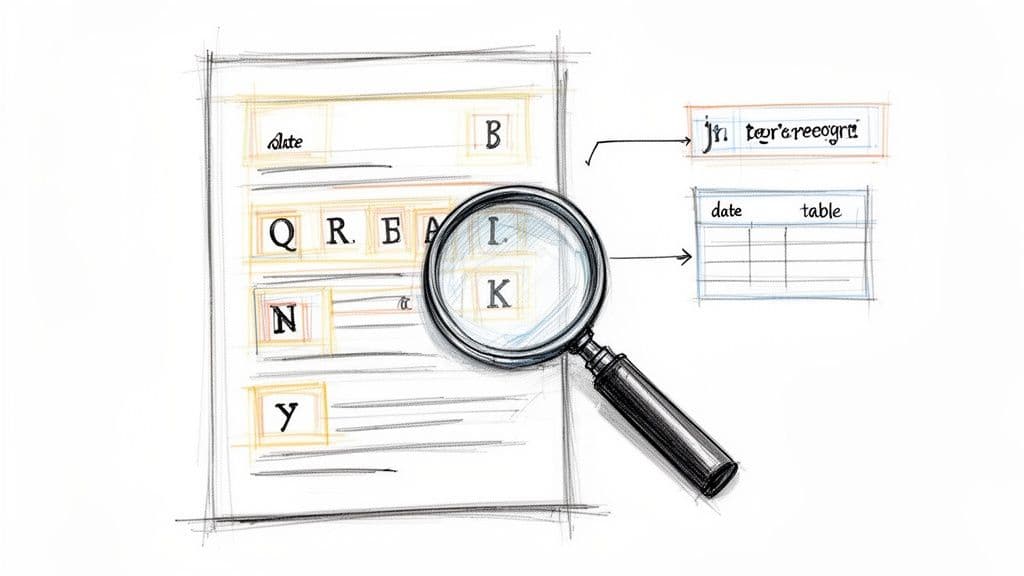
Hand-drawn illustration of document parsing: a magnifying glass scans a document covered in OCR recognition boxes, with arrows pointing to structured table output
News
An "OpenRouter" for Document Parsing: LlamaIndex Launches OpenDocRouter with 10 Models Behind One API

On October 7, LlamaIndex launched OpenDocRouter: one POST /v1/parse endpoint backed by 10 document-parsing models — five frontier closed-source models plus five open-source ones, switchable at will. Its companion ParseBench shows Claude Opus 5.5 scoring 84.20 at $48.82 per thousand pages, while GPT-6 Luna scores 71.34 at just $0.80 — a 60x price gap for a 14-point difference. Document parsing finally has a public, transparent quality-vs-cost menu.

Product LaunchRAGData Workflows
PromptGit concept art visualizing prompt version control
Guide
Treat Prompts Like Code: Prompt Version Control for Vibe Projects

Prompts in vibe projects live in code strings, admin text boxes, and docs — changed live, version unknown when things break. This guide shows how to treat prompts like code: a prompts/ layout, YAML frontmatter, semantic versioning, PR reviews, canary rollouts with one-click rollback, plus an evals baseline — and a real war story: one added sentence cost 12 points of classification accuracy.

Developer WorkflowTool TipsAI Agent
Pull request workflow illustration: a developer submits code while code windows pass check marks toward merge
Guide
After the AI Writes the Code: A Practical Code Review Workflow for Vibe Projects

The faster AI writes code, the more review matters. Four layers: diffs for logic (boundaries, errors, concurrency — plus auth, payments, SQL, encryption, secrets), runtime for behavior (type checks, lint, security scans go green first), AI for first-pass screening (a second model reviews, humans read only flagged parts), humans for the final call (AI never clicks merge). Includes commit norms, PR template, branch protection, rollback plans.

Developer WorkflowTool TipsAI Agent
Black smart glasses with voice assistant interface icons displayed on the lens, a concept image of voice AI and smart eyewear
News
Talk, and Devin Starts Coding: Sesame's October Update Gives Voice Assistants Their Own Computers

Sesame's October 6 update: the new voice assistant rolls out fully on iOS and Android with a brand-new voice model. Each voice agent gets its own computer — schedule Devin, Claude Code, or Codex with your voice while out for a walk. Smart glasses land in 2027; the voice OS ambition is on the table.

Mobile AppsIndustry TrendsProduct Launch
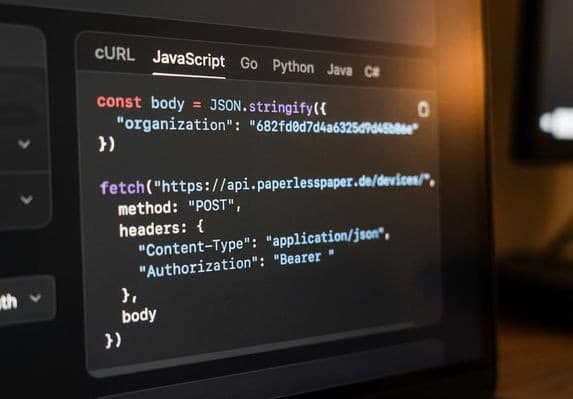
JavaScript fetch POST request code on an API documentation interface
Guide
Let the Outside World Knock: Webhook Integration in Practice for Vibe Projects

A user just paid — how does your system know? Code was pushed to GitHub — how does deployment trigger itself? The answer is webhooks: APIs called in reverse. This guide breaks webhook integration into five pieces — receiver design, signature verification, idempotency, retries and dead letters, local debugging — walks you through complete Stripe and GitHub flows, and flags the three traps AI loves to fall into.

AutomationAPI IntegrationBackend Engineering
Yellow 3D padlock with purple checkmark badge symbolizing secure authentication
Guide
Don't Let AI Leave Your User System Unlocked: The 5-Piece Auth Playbook for Vibe Projects

AI writes login code fast and confidently — but auth is where it fails most: plaintext passwords, never-expiring JWTs, broken access control, secrets in frontend code. This playbook gives you five pieces: a build-vs-buy decision table, session mechanics, passwords and credentials, the authorization model, and hardening — plus a prompt template for AI-written auth and a 10-question review checklist.

Application SecurityBackend EngineeringProject Building
A terminal window showing a command-line interface on a dark background
News
HashiCorp Founder Writes a New Terminal Protocol: Stop Guessing What Your Agents Are Doing

Mitchell Hashimoto published OSC 7501, the "Program Status Protocol": any program can report via a terminal escape sequence whether it is idle, working, blocked, or done — and why. The motivation: people running N coding agents today can only "read the screen and guess." He wants to turn guessing into knowing. Ghostty already implements it, with a dozen-line PoC for Claude Code and Codex.

Developer WorkflowTool TipsProduct News
Two developers collaborating around a screen displaying code
News
Atlassian Launches AMP: AI-Written Code Can No Longer Hide

On October 7, Atlassian launched the Agentic Multiplayer Protocol (AMP): AI agents get an "identity," and codebases precisely record what humans wrote versus what agents did, across Claude, Codex, Figma, and Rovo. Bundled with the Teamwork Graph code index, the Rovo Work long-task mode, and EU-only inference. As vibe coding enters the enterprise, "who wrote the code" turns from vanity into compliance and cost.

Industry TrendsDeveloper WorkflowTeam Collaboration