On October 8, Chinese team MirroS published the paper 'AgentGarten: Code Worlds for Evolving Agents' and open-sourced the repository (Apache-2.0). Its thesis: code handles physics, a neural renderer handles light, and agents accumulate experience in playbooks — one short skill file per lesson. In a reenactment of OpenAI's 2019 hide-and-seek, skills that took ~100M episodes of self-play RL now emerge within 10 rounds of play-review-write cycles across five code worlds.
VIBEFIX EXPLORE
Explore what to build next
Reusable AI coding guides, tool updates, and signals from the builder ecosystem.
Featured
Latest
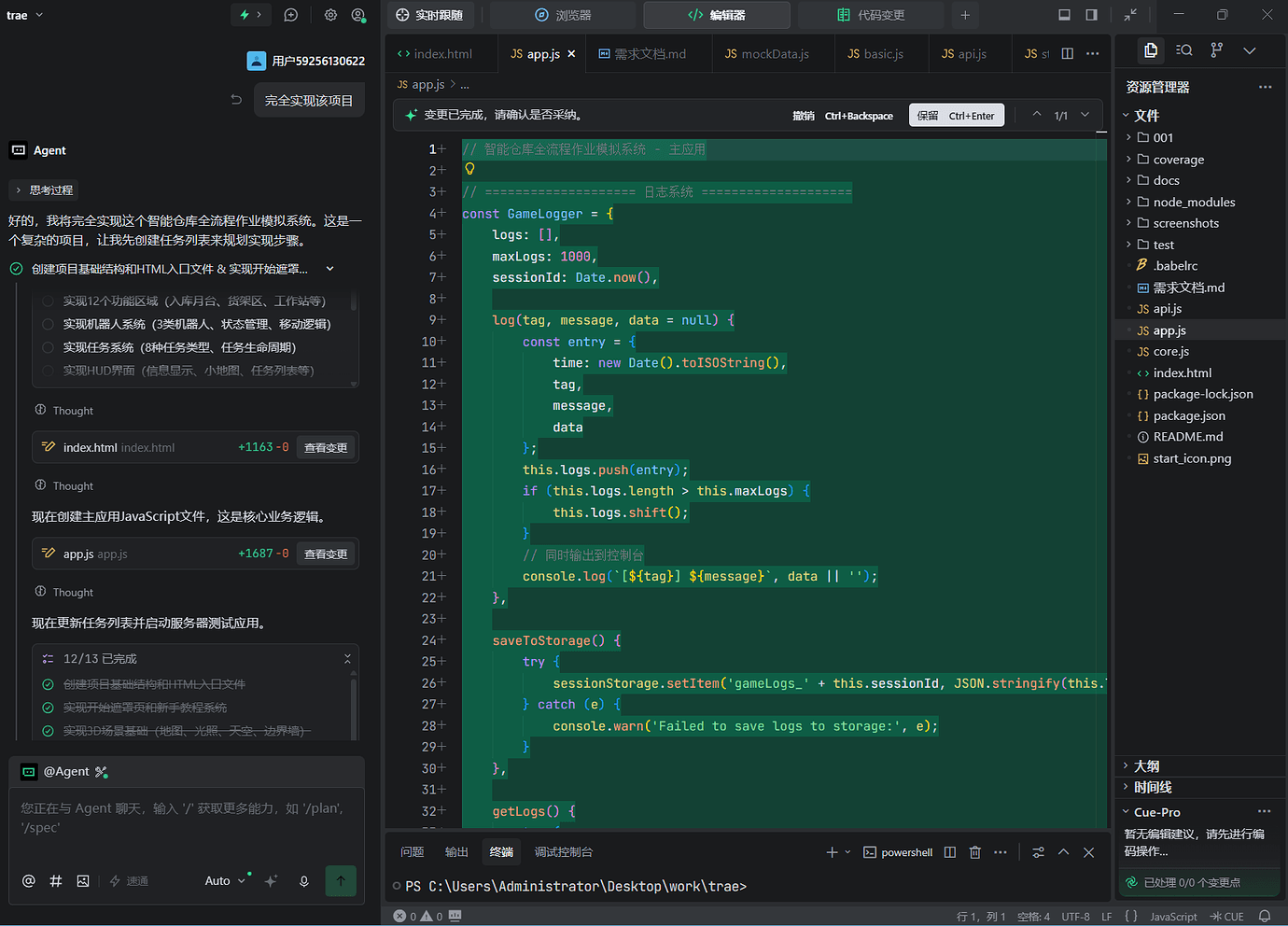
On October 9, ByteDance merged TraeWork and TraeCode into a unified TRAE: one entry point for continuous tasks, one-click switching between Agent mode and IDE mode. Agent mode is a global workbench where multiple agents split coding, testing and fixing; IDE mode keeps full editing for detail work. All deliverables settle into a Project Artifacts hub instead of chat history. The real story: 'work' and 'code' in one agent workflow, plus a labor-division playbook for one-person teams.
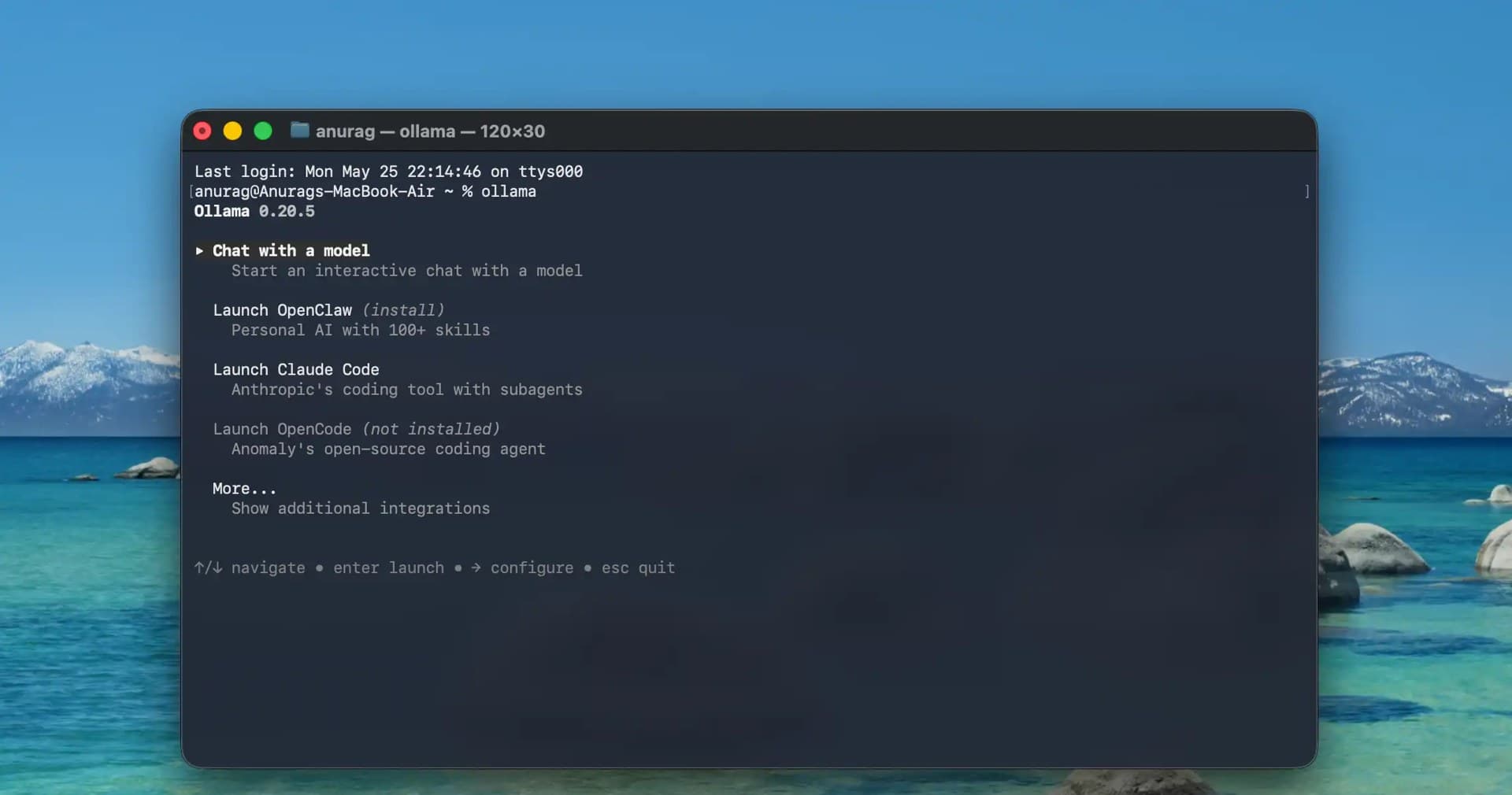
The cheapest GPU is your user's GPU. This guide shows indie teams how to push suitable inference workloads to the browser and edge — WebGPU, transformers.js, WebLLM, llama.cpp, Ollama, Apple MLX compared; 1B–8B quantized models mapped to tasks; an edge-first degradation chain with drop-in fallback code; packaging "data never leaves the device" as a selling point; hard limits on load size, memory and heat; and a two-week pilot SOP. Cloud stays only as the safety net.
For solo teams, a native app is not a starting point but a growth tax — only worth paying in front of validated demand. This guide argues why the AI era favors web-first, lists the five exceptions that truly require native, and gives you a three-dimensional scoring matrix, a 2026 PWA capability map, four data triggers for going native, three migration paths, a weekly maintenance-tax comparison, and a 10-question decision template for a conclusion in 30 minutes.
October brought two Copilot retirement waves, GPT-5.5 leaving Codex, and 17 OpenAI API model identifiers shutting off — model swaps are now operations, not upgrades. This field guide delivers a complete swap SOP: three abstraction layers, a 30-minute minimum eval baseline, a four-step shadow-to-full rollout, 10-minute weekly notice monitoring, the true cost formula, three real failure modes, and a one-page copy-paste checklist.
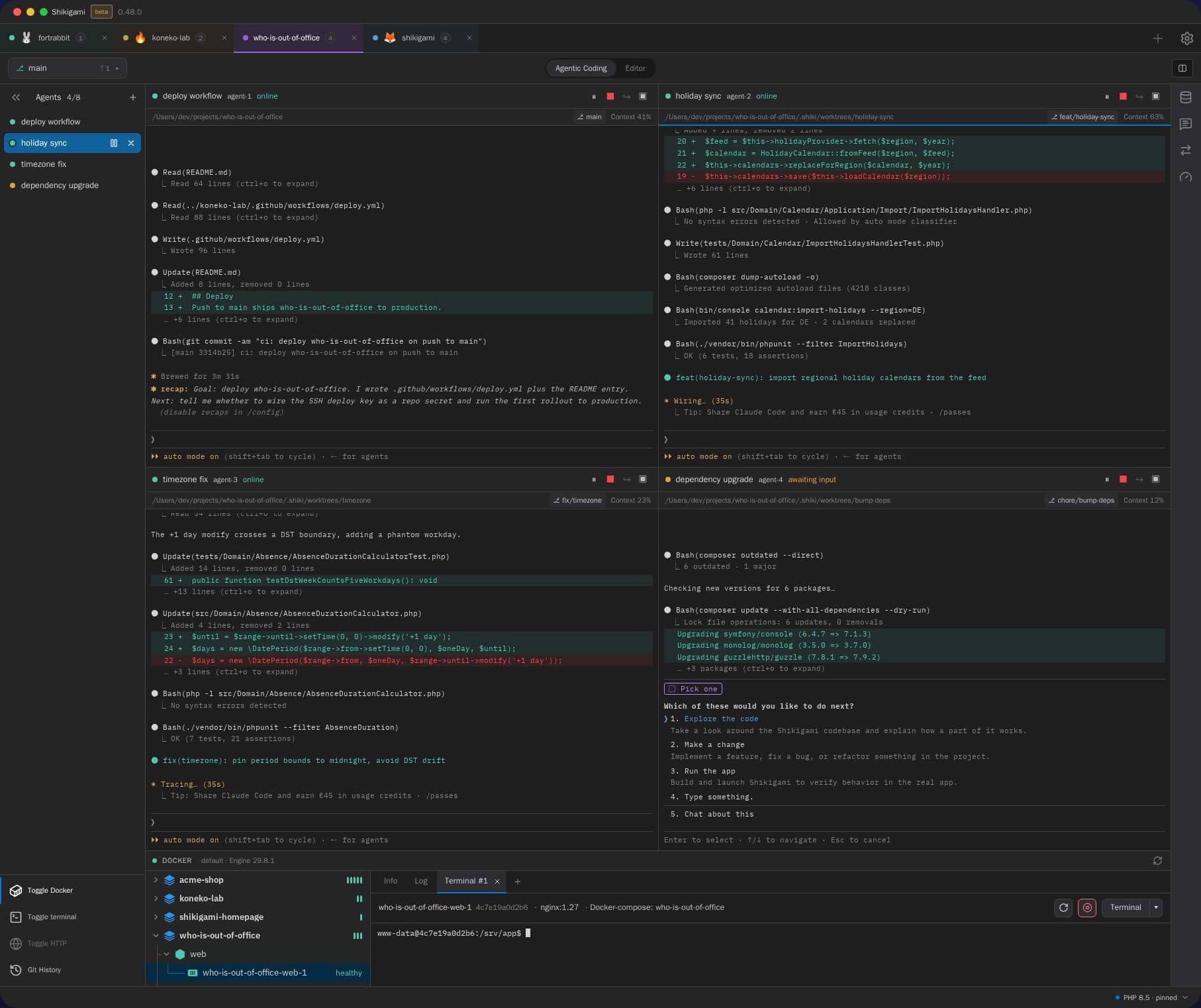
Stack Overflow's engineering blog (Oct 7) argues the agent is the model plus its harness - and the model is maybe a tenth. Evidence: LangChain's agent jumped 52.8% to 66.5% on Terminal-Bench 2.0, from outside the top 30 to the top 5, changing only the harness. The essay prescribes six artifacts - constitution, autonomy boundary, tiered CONTEXT.md, durable memory, a multi-lens review panel, a PostToolUse hook - plus multi-agent coordination via shared state and an append-only decision log.
On October 1, 2026, Google suspended product-vulnerability submissions to its OSS bug bounty program, blaming a surge of automated, mostly invalid reports. Behind the pause lies the vibe coding era's hardest contradiction: AI drove the cost of finding vulnerabilities to near zero while dumping the entire validation cost onto human reviewers. What it means for AI-powered bounty hunting — the era of spray-and-pray AI vuln hunting is over.
Cognition gave Devin Memory and Dreaming — and open-sourced Agent Memory Repo, a standard that treats agent memory as a git repo of interlinked Markdown notes. Clone, search, update, push: every session follows the same loop. The community split 45/40/15 on daily.dev, and the release lands as the affirmative answer to the 'memory plugins vs. documentation' debate.
Partnership acquisition is the highest-ROI growth lever for solo developers: one negotiated integration can bring more qualified users than three months of blogging. This guide covers the four partnership models, a 50-word outreach template, minimal UTM attribution, affiliate rates and anti-fraud, the 5 must-have agreement clauses, and a monthly 2-hour maintenance SOP.
You can ship code but break into a sweat at 'want to chat?' Indie-developer sales isn't a persuasion performance — it's a structured way to help users decide: discovery, diagnosis, demo, objection handling, and closing as five repeatable moves, with copy-paste call scripts, a follow-up cadence table, and a lightweight CRM board. Introverts can sell too.