Servers in mainland China, domestic payments, mini-program listing — everything needs filing. This is the three-gate map for Chinese indie developers: ICP filing, PSB filing, and App filing — trigger self-checks, materials checklists, top rejection reasons with fixes, the individual vs enterprise red lines, and the real cost of 'launch first, file later'.
VIBEFIX EXPLORE
Explore what to build next
Reusable AI coding guides, tool updates, and signals from the builder ecosystem.
Featured
Latest
When results stall, the first instinct is 'let's fine-tune a model' — but 90% of the time, RAG or prompt engineering is cheaper, faster, and better. This decision guide gives you the three-way tree (task type × data volume × latency/cost), data-volume thresholds, the full cost formula, LoRA vs full fine-tuning, eval gate rules, and the 'don't fine-tune' anti-pattern list — so you spend the training budget only when it pays.
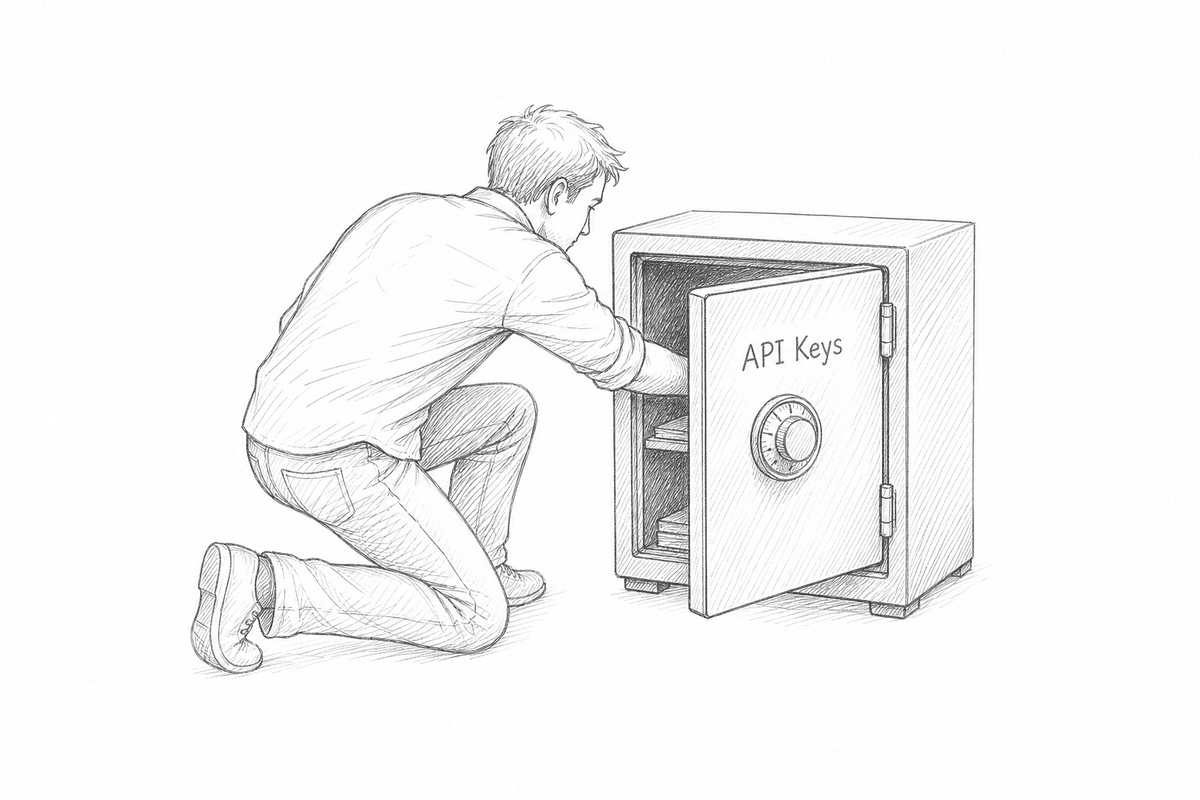
Opening up your API means issuing keys to users — and most solo teams get it wrong: plaintext storage, one god-key for everything, no revocation, no usage attribution. This guide gives you a copy-paste-ready system: key format design, hash-only storage, scope permission models, rotation/revocation SOPs, and per-key rate limiting with usage attribution — with TypeScript templates, Prisma schemas, and a one-week rollout checklist.
On Oct 10 Tencent Cloud open-sourced its internal TeamAI: team skills, rules, MCP, env vars and knowledge bases live in a Git repo, distributed via push → review → pull — configure once, reuse everywhere, across 16 agents. Timeline note: the repo was created Apr 27; Oct 10 was the official announcement. Tencent's claimed '76% cost cut' is a vendor claim; the product thinking matters more than the marketing numbers.
CNBC reported Oct 11: US software-developer postings rose nearly 15% since late Feb 2025 while overall postings fell 7%. But seniors drove 71% of the gain and AI-titled roles 37%; totals remain 27.5% below pre-pandemic. Stanford's 2026 AI Index shows early-career developer employment down nearly 20%. What's growing isn't code-writing jobs — it's machine-driving jobs.
The Oct 8 arXiv paper 'Skill Constellations' rebuilt agent-skill copy networks from git history: of 2.19M adoptions, half of SKILL.md files are verbatim copies; the top 1% of repos drive 94.7% of transmissions; upstream fixes never reach installed copies. Auditing the network-ranked top 100 repos would intercept 14.9% of later high-risk adoptions vs 0.5% for the top 100 by stars. Stars can't find hubs; the missing update channel is the structural risk.
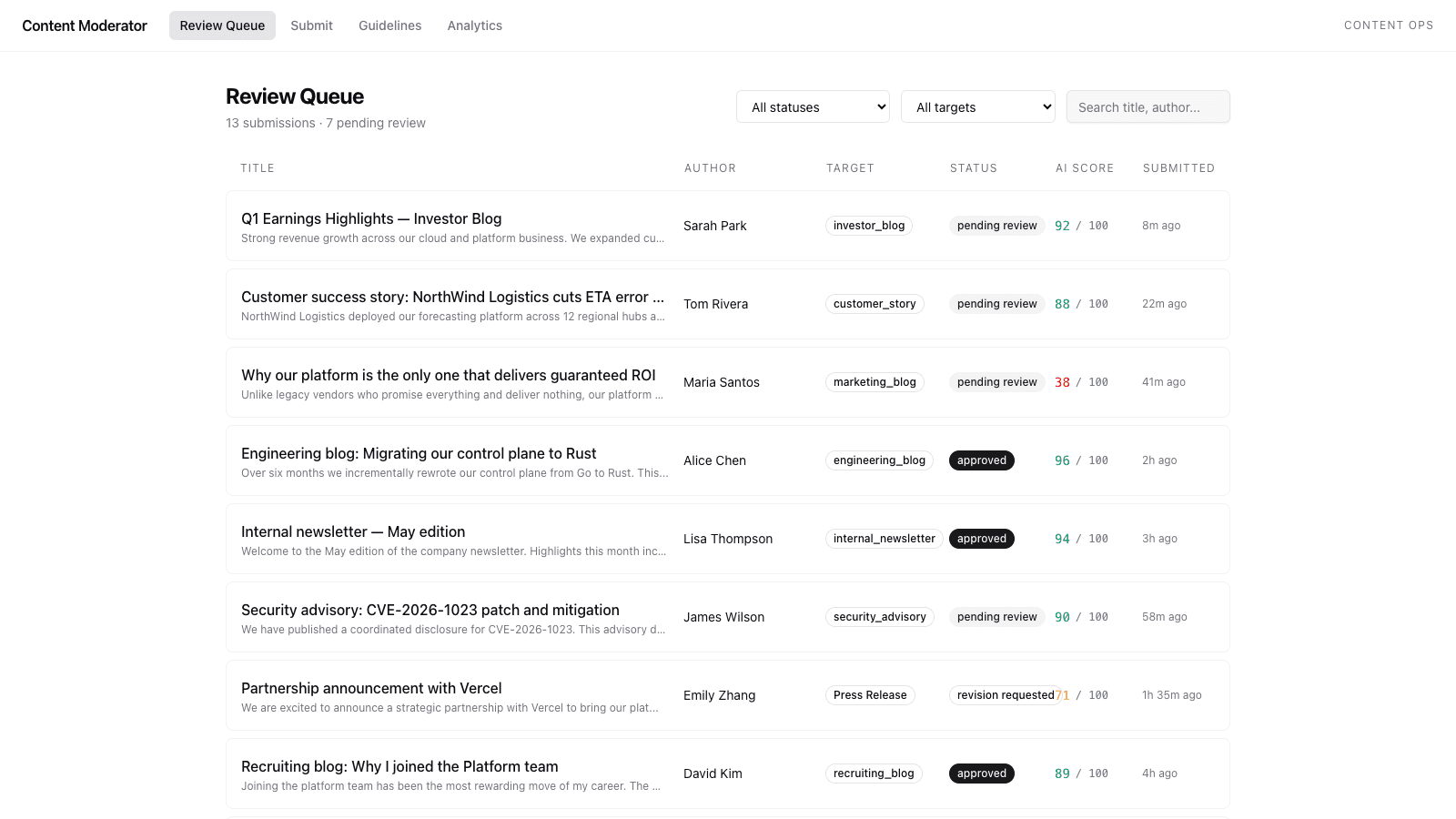
If your vibe project has anywhere users can type, you need moderation — and it isn't 'deleting posts,' it's tiered triage. This guide maps the three risk surfaces (traditional UGC, user-publishable content, AI-generated output), then builds the funnel: machines do 90% with a keyword-plus-API stack, user reports act as sensors with tiered SLAs, and you spend 30 minutes a week on the 1% of hard cases. Copy-ready guidelines template and disaster breakers included.
In the AI coding era, secrets leak because AI actively writes keys into code, comments, and commits — and pushes them. This guide gives vibe coders a five-state credential framework: generate, store, use, rotate, and incident response. Copy-paste ready: layered .env files, pre-commit hooks, production secrets-hosting picks, three AGENTS.md red lines, least-privilege third-party keys, a 30-minute leak SOP, and a monthly 5-minute inspection checklist.
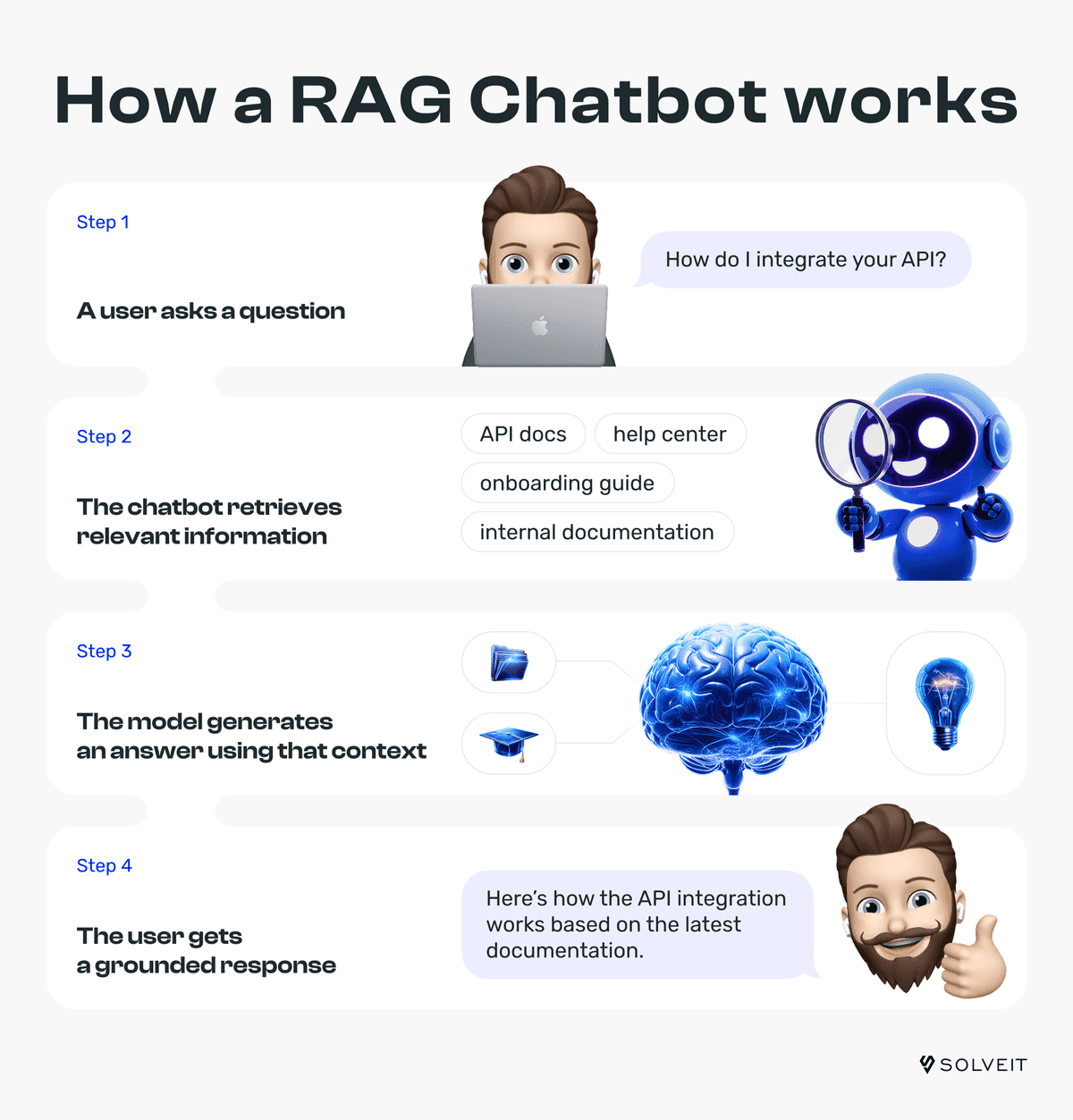
80% of RAG quality is decided before retrieval. This hands-on guide gives solo teams a trimmed-down RAG funnel: a four-question fit test (skip RAG if you can't answer yes twice), 300-512 token recursive chunking with 20% overlap, pgvector as the default store, BM25+vector hybrid retrieval fused by RRF (k=60), reranking only when unsure, a four-metric RAGAS eval over 30 golden Q&A pairs as the launch gate, and citation labels plus scripted refusal to stop hallucinations at generation time.
On October 11, Piotr Sarnacki published 'I'm sorry, but you still have to think' on It's all about the bit — a teardown of DHH's AI-rewritten Campfire Once, shipped unread. Rust delivered ~1% of notifications under load and hid blocking DB calls in async tasks; Elixir delivered better but hit 1.8GB of memory. One line — stream_capacity 256 to 16384 — delivery 14% to 90%, but pMAX latency 11s to 130s+. Sequel to our cycle37 DHH manifesto: AI made writing cheap; thinking is the scarce resource.