Fields Medalist Terence Tao led the Association for Human Mathematicians in a joint statement urging mathematicians worldwide to stop collaborating with OpenAI, protesting its one-shot release of 700-plus AI-generated math proofs. Turing laureate Yann LeCun calls it the dawn of a new era for mathematics. A debate over "readability vs. problem-solving power" is splitting the math world — and it is the lived question of everyone in the vibe coding era.
VIBEFIX EXPLORE
Explore what to build next
Reusable AI coding guides, tool updates, and signals from the builder ecosystem.
Featured
Latest
Lenovo Tianxi AI's in-house code-agent framework TianxiCode, paired with DeepSeek-v4.1-Flash, topped the SWE-bench-Live Lite leaderboard at a 71% solve rate with official Verified certification. We unpack why this "real engineering" benchmark is harder, what "framework > model" really means, and three takeaways for vibe coding practitioners.
Rails creator DHH announced at Rails World that 37signals is 'done writing code by hand.' This piece unpacks the November 2025 inflection point, the move to native apps and Rust, the counter-evidence from the same newsletter — and what vibe coders should actually take away.
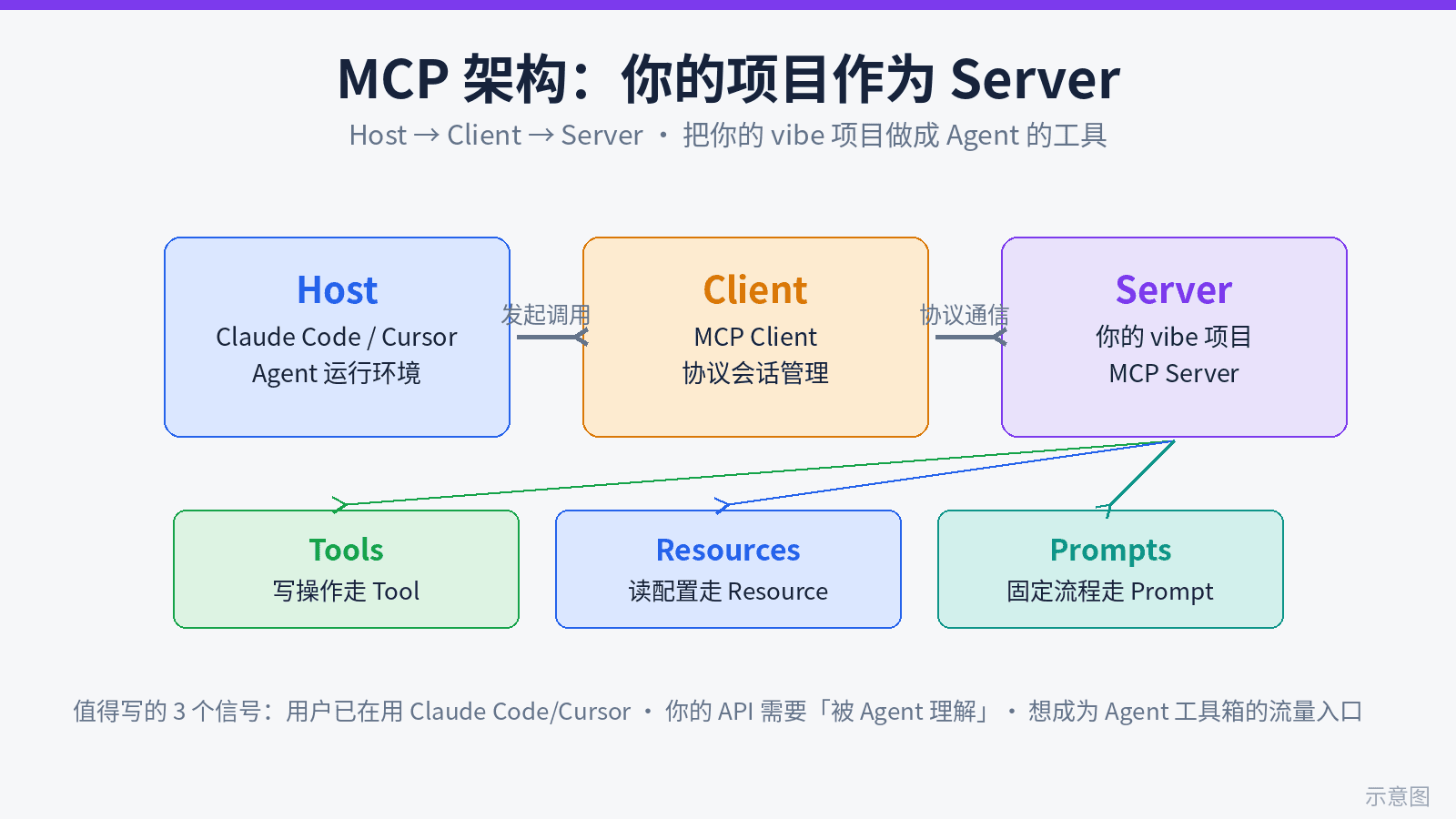
This is the supply-side MCP guide: turn your own project into an MCP server so agents come to call you. From 3 signals it's worth building and the Tools/Resources/Prompts decision table, to 150 lines of runnable TypeScript, 7 tool-schema design principles, stdio vs Streamable HTTP selection, a security red-line checklist, plus the registry submission list and a README install template — one afternoon to get your project into agents' toolboxes.
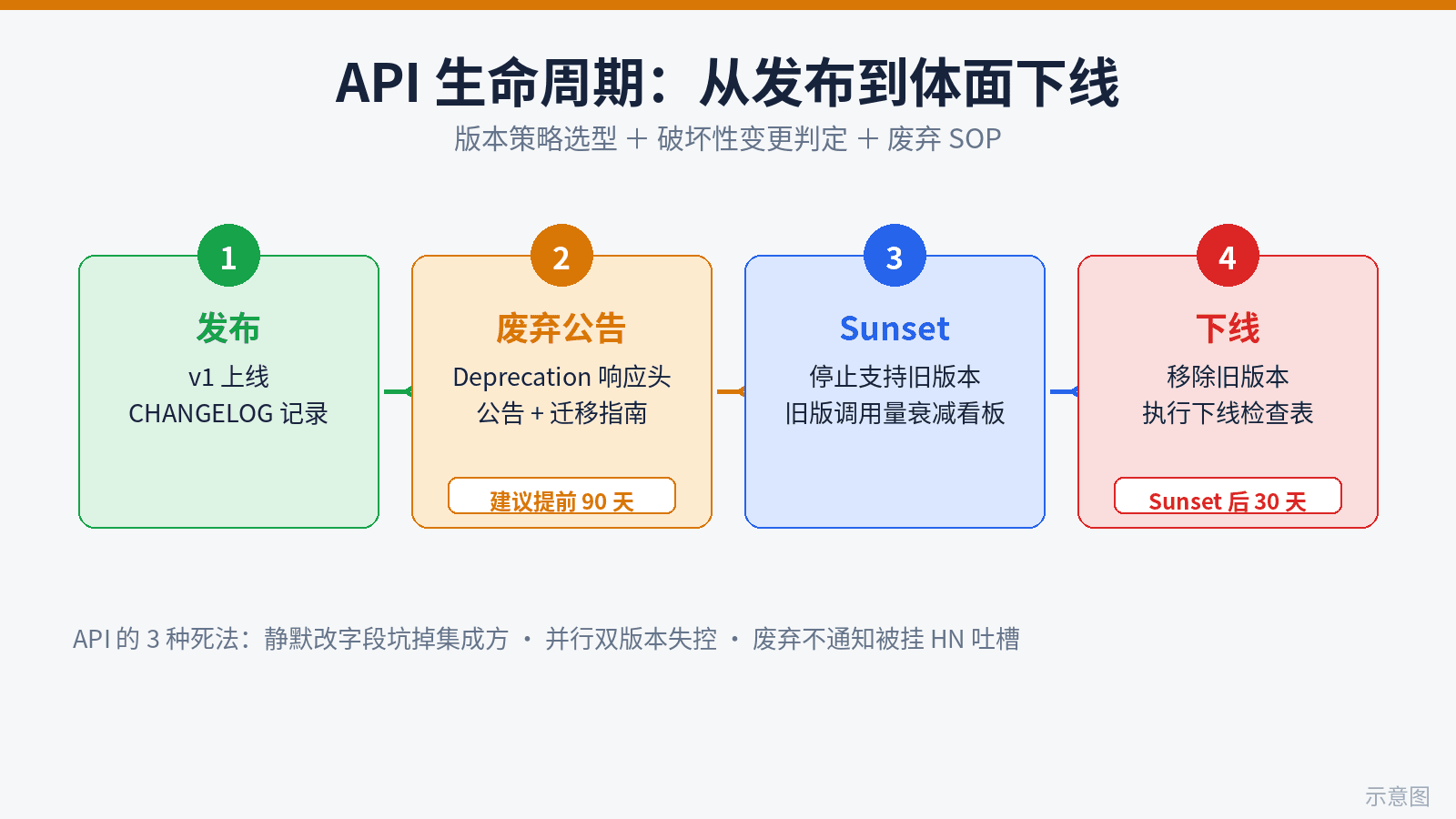
Vibe coding ships 10x faster than API contracts can move — where solo projects blow up. This guide fills the gap: 3 real ways vibe APIs die, a version-strategy decision table (URL path vs header vs versionless), a 12-rule breaking-change checklist, a 4-step deprecation SOP (headers, announcements, dual-run dashboards, sunset checklist), a copy-ready migration template, and the minimal solo setup: CHANGELOG-driven development plus CI auto-blocking breaking changes via openapi-diff.
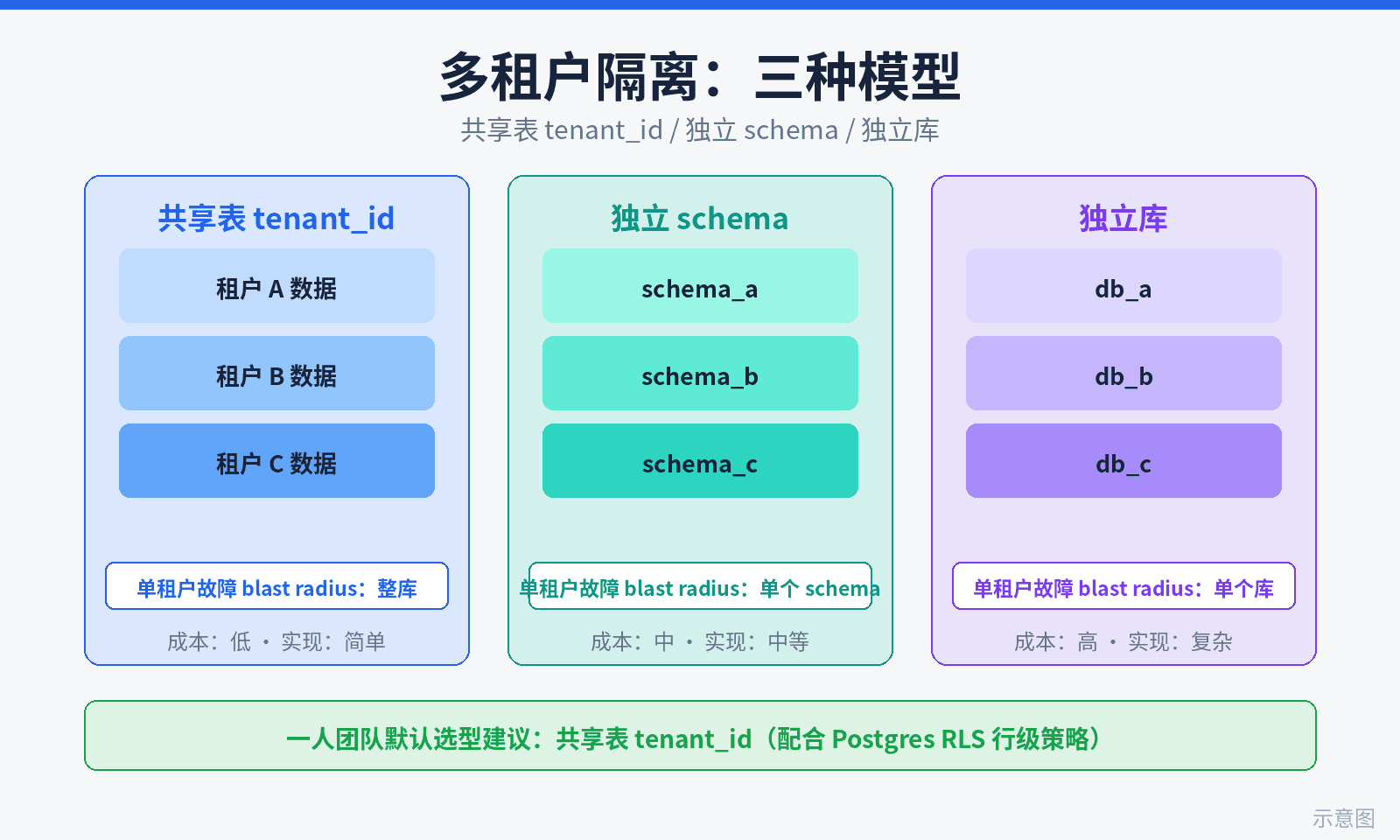
The second customer is a vibe project's coming of age: single-tenant code hides three implicit assumptions — a global single user, hardcoded config, no tenant boundary — and they collapse on contact. This guide scores the three isolation models on six dimensions, lands Postgres RLS hands-on (middleware resolution, CREATE POLICY, Prisma auto-filtering), compares routing options, and includes 10 negative leak tests, a 5-step zero-downtime migration SOP, and minimal per-tenant metering.
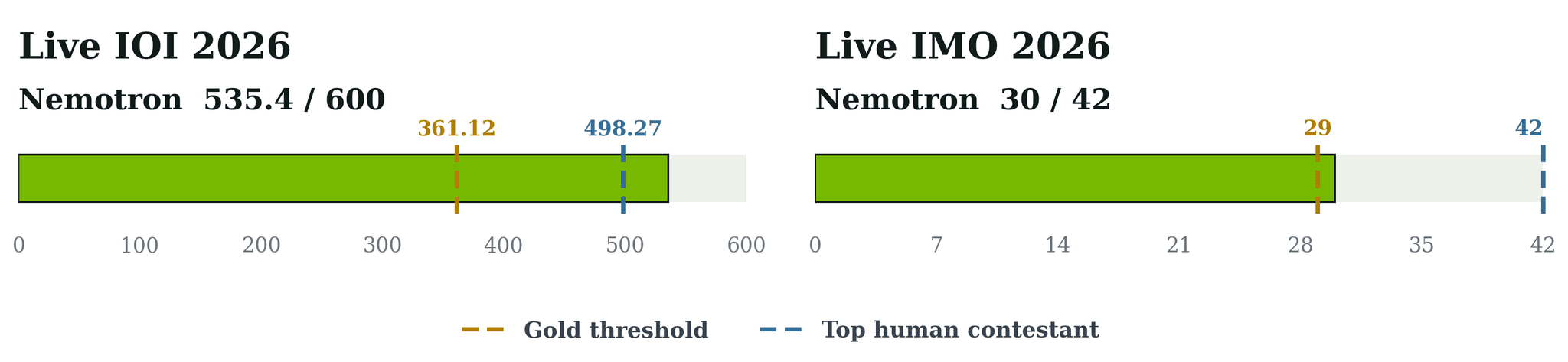
NVIDIA's Nemotron systems hit gold level at IOI 2026 (535.4/600, above the top human score of 498.27 in an unofficial run) and IMO 2026 (30/42, graded by official IMO graders) — and the team open-sourced the full recipe: SFT/RL checkpoints, both training datasets, a new 200-problem olympiad benchmark, inference pipelines, and prompts. The lesson is co-design of model, data, and inference loop: GenCorrect's generate-evaluate-refine cycle carried a 291-point model past the 438.3 gold bar.
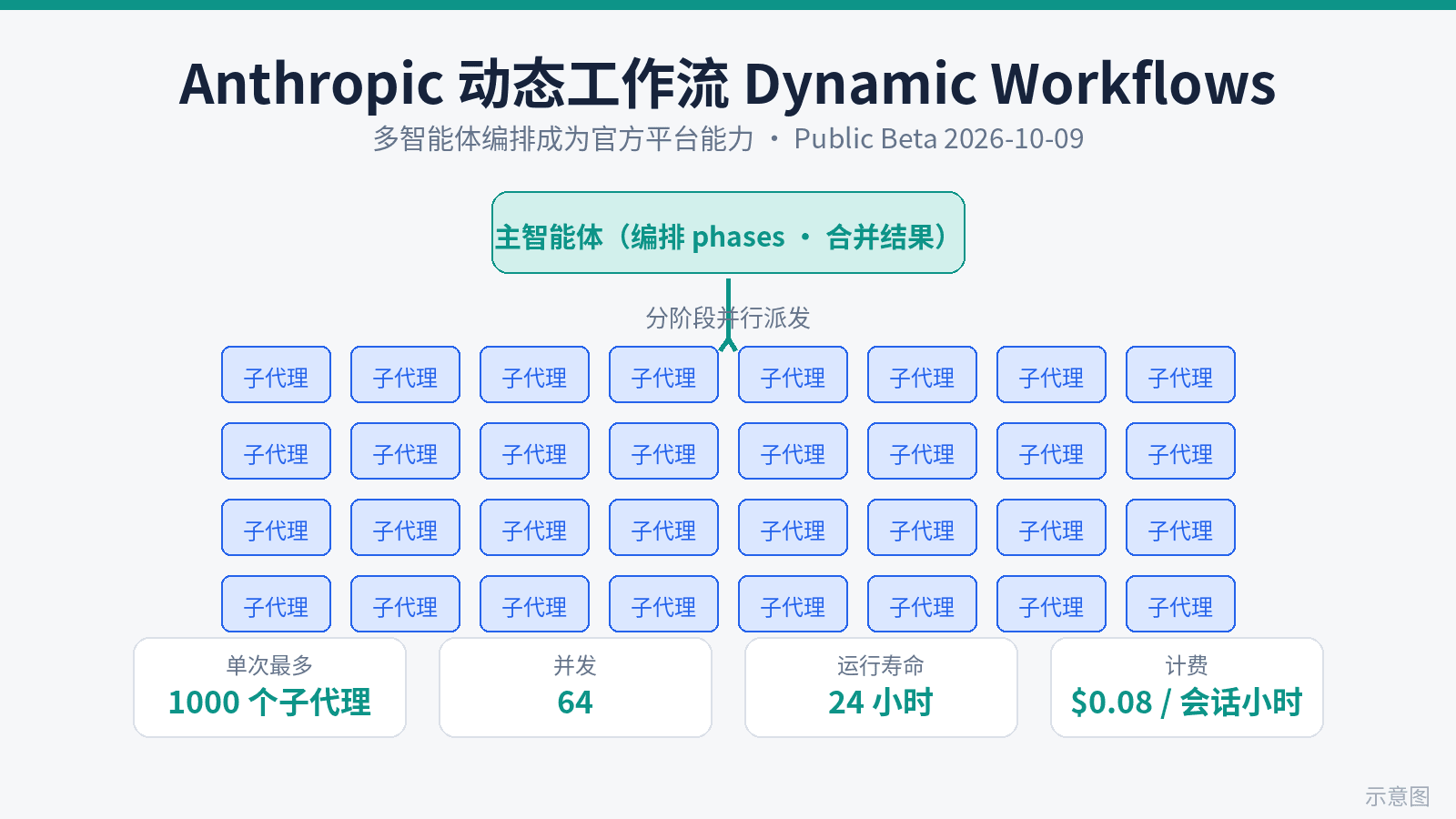
Dynamic workflows for Claude Managed Agents entered public beta on October 9: an agent writes a program that runs many agents in phases and merges results — max 1,000 agents per run, 64 at once, 24-hour default lifetime. The launch rebuts the 'waste of tokens' charge with a head-to-head: 70 planted bugs, a single agent found 14/15/27 across three runs, a workflow found 66 every time. Billing: tokens at each model's rates plus $0.08/session-hour. Token math and a use-it-or-save-it checklist.
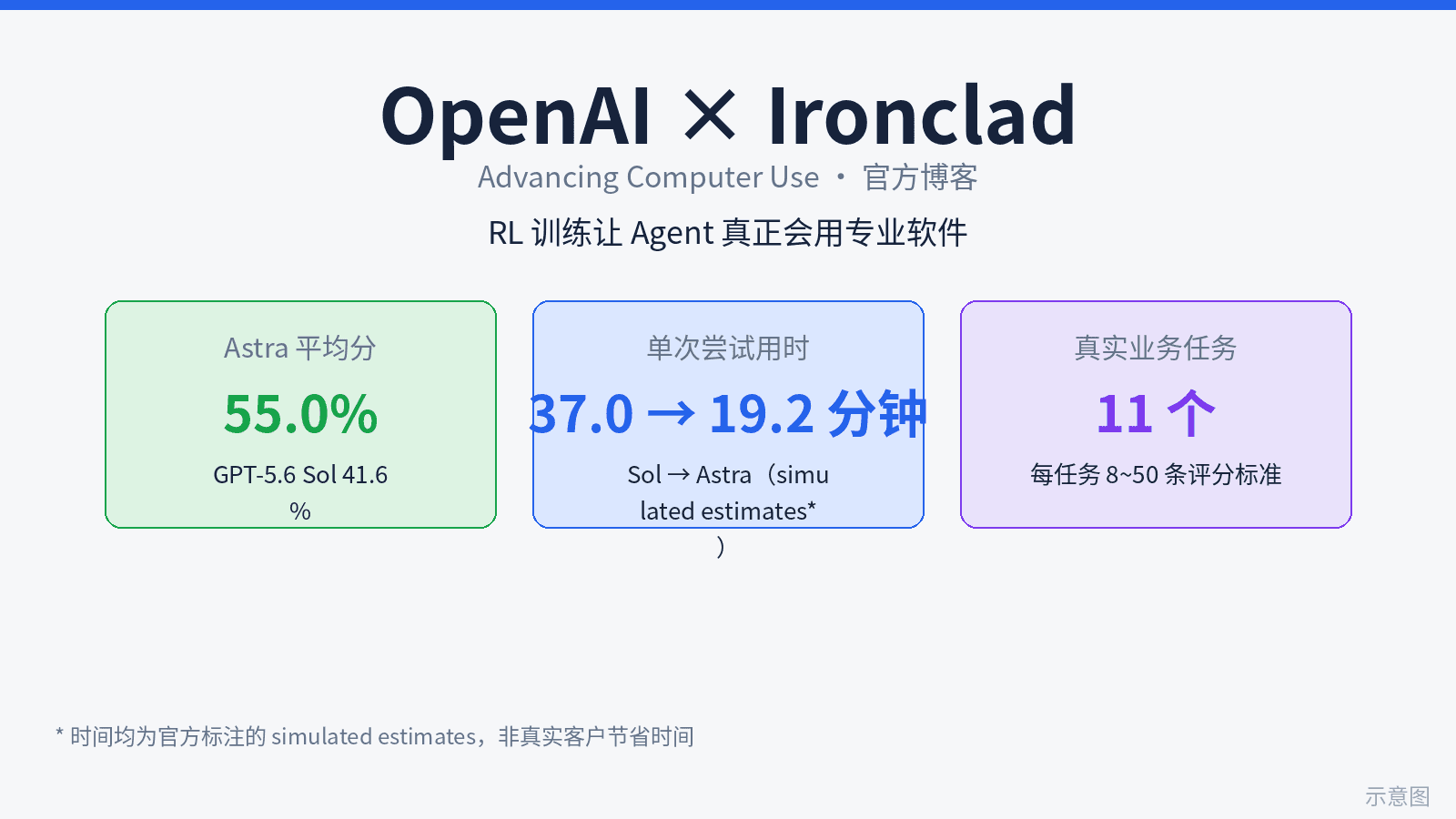
OpenAI's blog 'Advancing computer use with Ironclad' marks a paradigm shift: computer use moves from general capability to per-application customized RL training. GPT-6 Astra, the first frontier model trained on Ironclad tasks, scored 55.0% vs 41.6% for GPT-5.6 Sol on 11 contracting tasks (8-50 scoring criteria each), with time per attempt falling from 37.0 to 19.2 minutes. The moat is moving from models to the partner list - and OpenAI is openly recruiting the next batch of software companies.
Vibe coding made building easy and getting noticed hard; community and open source are the few fair arenas where time trades for traffic. This tactical manual covers venue picks, 5 seed-user sources for the 0-20 cold start, a daily 15-minute ops SOP for 0-100, the README-as-landing-page formula, GitHub trending mechanics and launch timing, issue-driven marketing, build-in-public rhythms, crisis playbooks, 5 health metrics, and the path from community to revenue.