VIBEFIX EXPLORE

Explore what to build next

Reusable AI coding guides, tool updates, and signals from the builder ecosystem.

Featured

Latest

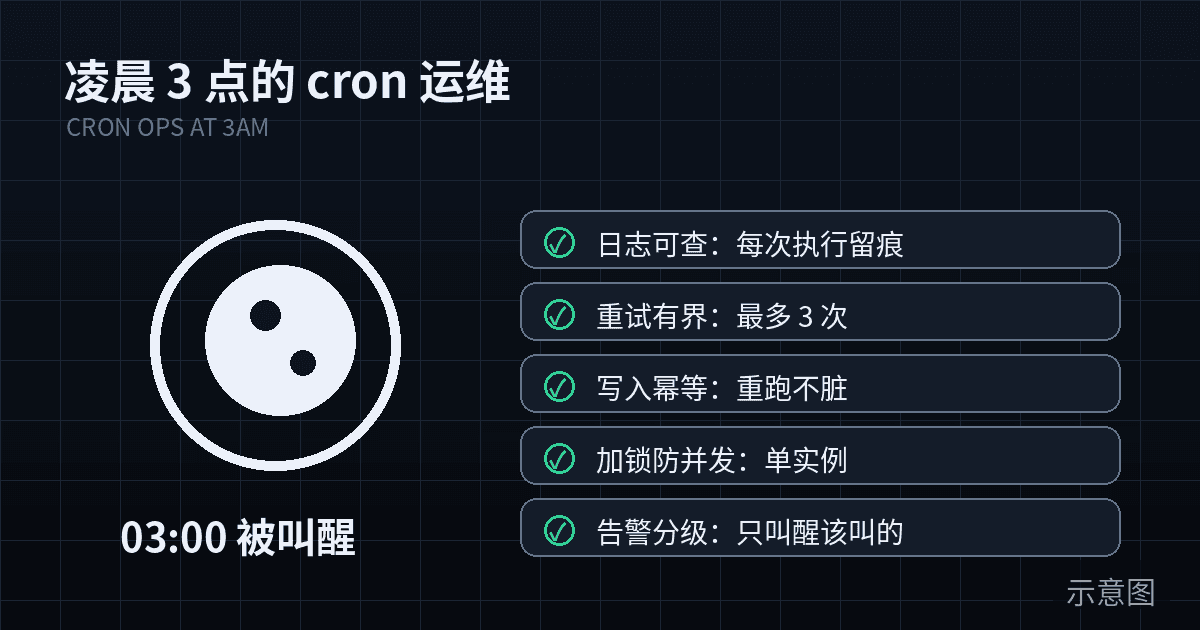
Cover for the solo-team cron operations guide: server rack at night with an alerting phone illustration
Guide
The Cron Job Died at 3 AM and Nobody Knew — Cron Operations for Solo Teams

Cron jobs are the most neglected yet most costly-when-they-fail part of a product: they work while you sleep, and nobody shouts when they break. This hands-on guide covers the full solo-team cron ops loop — job triage, runner selection, idempotency, distributed locks, heartbeat alerting, structured logging, rerun SOPs, dependency-failure strategy, and a 5-minute weekly inspection checklist, with copy-paste-ready code.

Developer WorkflowTool TipsBackend Engineering
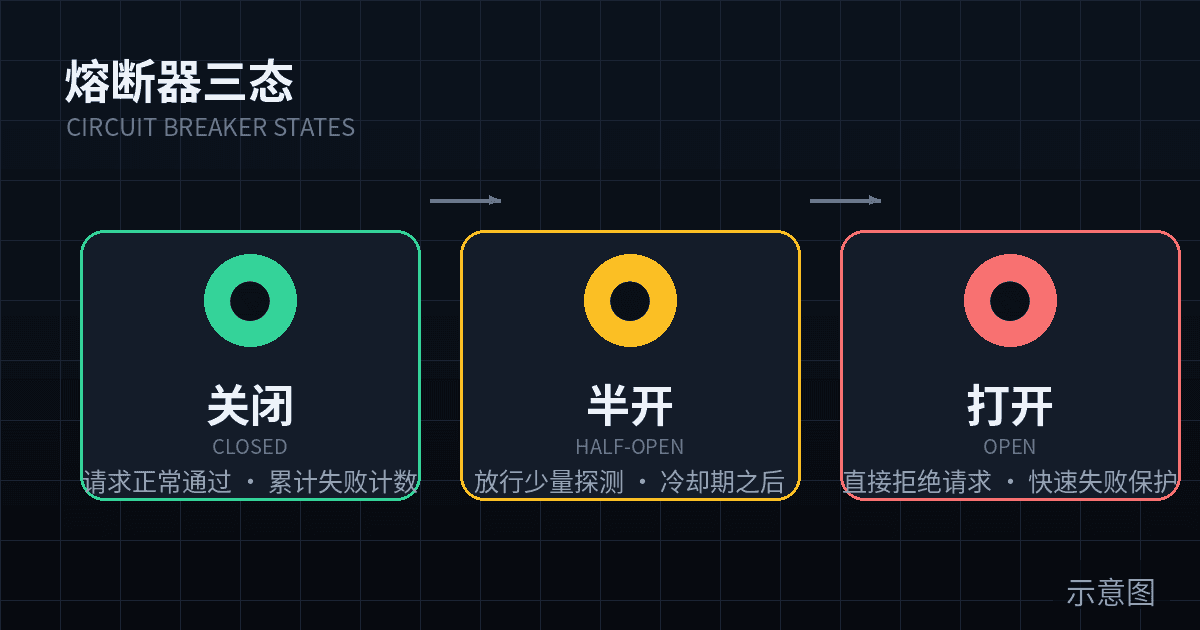
Dark infographic: a snapping power cable between app and cloud APIs, headline on surviving third-party outages with timeouts, retries, circuit breakers and fallbacks
Guide
Don't Let Third-Party APIs Drag You Down: Timeouts, Circuit Breakers & Fallbacks for Vibe Projects

Your vibe project stands on borrowed pillars: model APIs, payments, email, storage. This guide builds four layers of defense in order — timeouts, retries with backoff and jitter, a complete copy-paste TypeScript circuit breaker, and fallback paths — plus budget breakers, a /health probe, and a monthly chaos drill SOP.

Developer WorkflowBackend EngineeringIndie Development
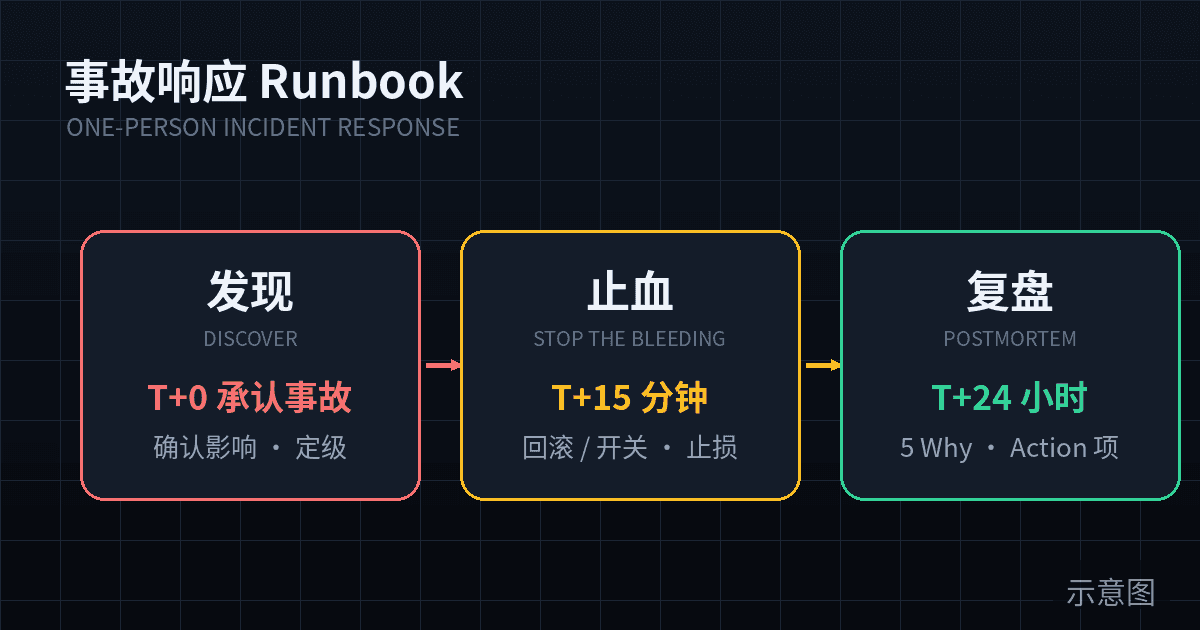
Illustration of a solo developer following an incident runbook after a 3 AM production alert on their phone
Guide
It's 3 AM, Production Is Down, and You're the Only One There: An Incident Runbook for Solo Developers

The alarm fired — now what? A practical incident-response playbook for one-person teams: a SEV1/SEV2/SEV3 triage checklist plus a 'when to let it go' list, a free alerting stack you can build in 15 minutes, the 5 fixed moves for the golden 15 minutes, a one-click rollback SOP, and copy-paste-ready timeline, communication, and blameless postmortem templates — plus 5 anti-patterns solo developers keep repeating.

Developer WorkflowBackend EngineeringIndie Development
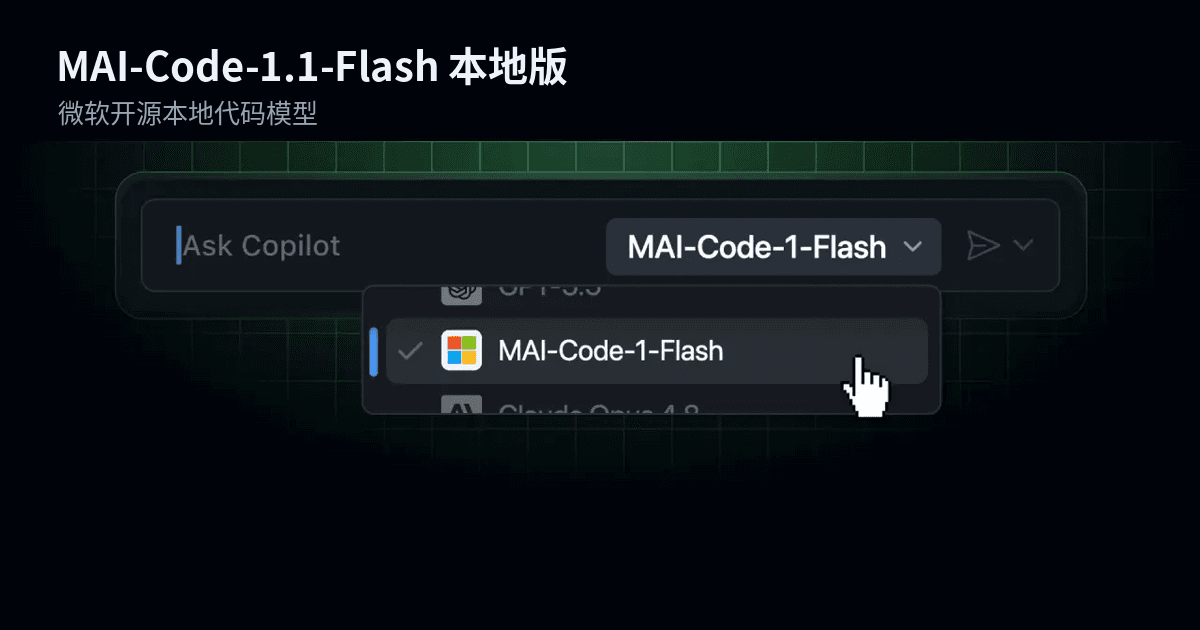
Cover image: Microsoft's MAI-Code-1.1-Flash on-device release, a 137B coding model running locally with zero inference charges
News
Microsoft Squeezes Its 137B Coding Model Onto Your PC: MAI-Code-1.1-Flash Goes Local, Zero Inference Fees, 120GB+ RAM Required

Microsoft's homegrown coding model MAI-Code-1.1-Flash now runs on-device: 3-bit quantization, full 256K context, zero inference charges for local calls — but Microsoft recommends 120GB+ RAM. Third-party measurements put the quantized build at 70.80% on SWE-Bench Verified versus 72.6% full precision. What "zero inference fees" really means for indie developers, and why Copilot's router is the actual moat.

Industry TrendsModel UpdatesAI Coding
Concept illustration: a Copilot usage dashboard where the agent activity curve falls while overall usage rises, with a broken attribution link between IDE and report
News
Copilot agent activity mysteriously falling? GitHub confirms an IDE attribution bug — missing data can't be backfilled

GitHub confirms that agent activity and agent lines of code have been undercounted in Copilot usage metrics after several IDEs moved agent sessions to the Copilot SDK without IDE attribution. VS Code 1.139.0+ is fixed; other IDEs follow through November 2026. The missing data can't be backfilled — here's the four-step action checklist for team managers.

Industry TrendsDeveloper WorkflowGitHub Copilot
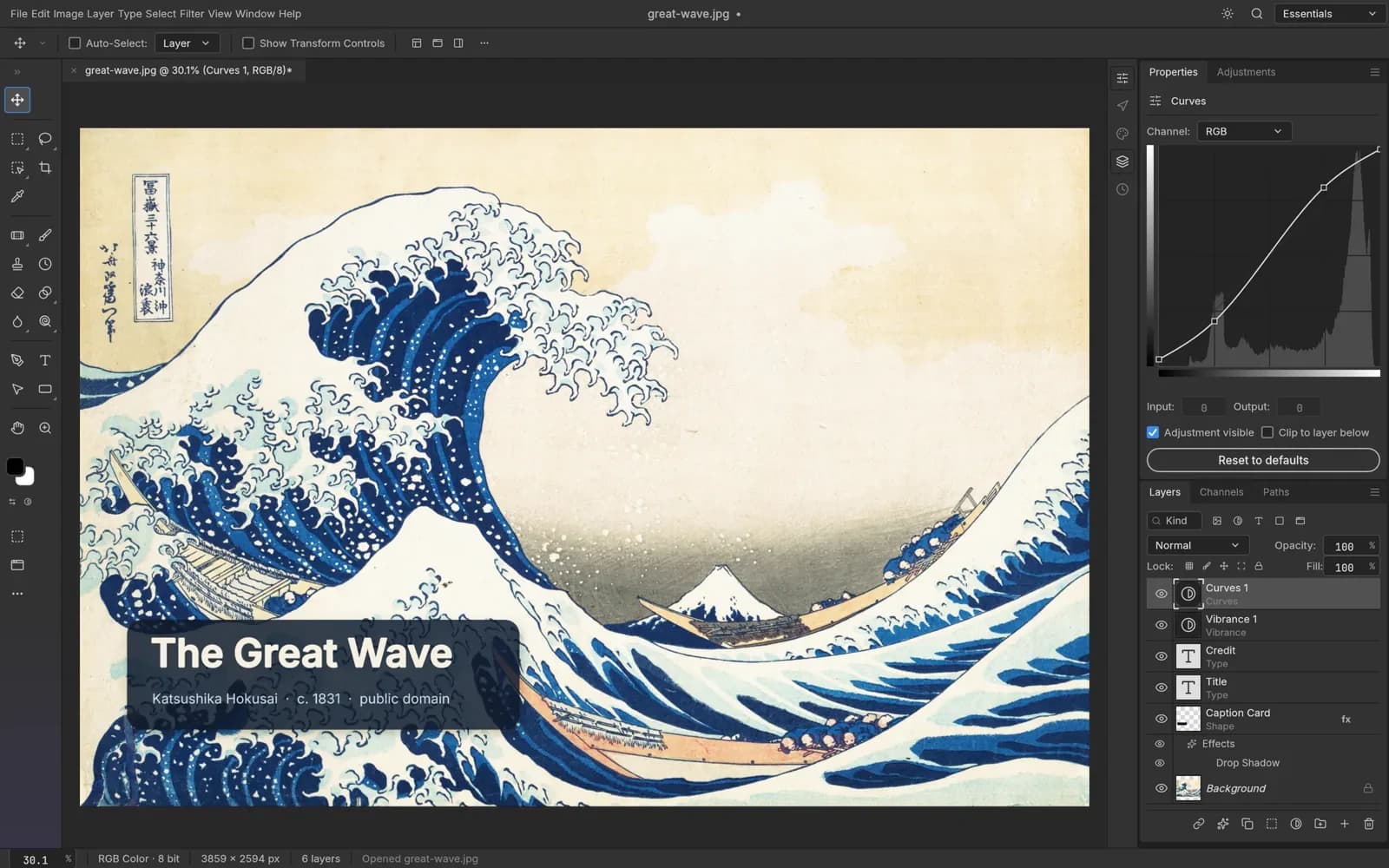
PhotoCraft image editor screenshot: layers panel, Curves adjustment, editing The Great Wave, mirroring Photoshop
News
One Person, Two Weeks, Seven Apps: ArtCraft Recreates the Adobe Suite, PhotoCraft Hits 23K Stars in Days

One person, two weeks, seven apps: Brandon Thomas used Claude Opus 5.5 and Rust to recreate Adobe's suite and open-sourced it, with PhotoCraft passing 23K stars in days. Free isn't the point — compatibility is: same panels, same shortcuts, byte-for-byte PSD round-trips, aimed squarely at professionals' muscle memory. Alpha bugs and legal risks remain, but 'software is being repriced' finally has a concrete shape.

GitHubRustDesign Experience
Solo developer's DSR response playbook: identity verification, data asset map, cascading deletion checklist and 30-day timeline
Guide
User Said 'Delete All My Data': A DSR Response Playbook for Vibe Projects (GDPR/PIPL)

When a user says 'delete all my data,' a solo team must close the loop within the statutory window. This hands-on guide covers the six-right DSR matrix, identity verification, a data asset map template, delete-vs-anonymize decisions, a cascading deletion checklist, machine-readable export packages, and a five-node 30-day SOP with message templates.

Backend EngineeringIndie DevelopmentSecurity & Privacy
MCP client integration guide for indie developers: transport selection, SDK vs hand-rolled client, tool discovery, approval tiers, error handling and security checklist
Guide
MCP Client Integration in Practice: Connecting Your Agent to Third-Party MCP Servers

Writing an MCP client is harder than writing a server: it manages connections, tool discovery, parameter validation, approvals, degradation, and injection defense. This guide covers stdio vs Streamable HTTP selection, official SDK vs hand-rolled minimal client skeletons, tools/list parsing with zod validation, a four-tier approval table, a failure fallback checklist, a consumer-side security checklist, and a 10-step checklist for wiring a real MCP server into your product.

Developer WorkflowTool TipsMCP
Illustration of a declined credit card being recovered through a dunning email sequence and retry schedule
Guide
Card Declined, Revenue Gone? A Practical Dunning Guide for Vibe-Coded Subscription Products

Involuntary churn — customers who never wanted to leave but whose renewal charge failed — typically makes up 20-40% of subscription churn. This guide covers the missing fourth piece of subscription revenue: failure triage by decline code, a D+1/D+3/D+7/D+14 retry schedule, four recovery email templates, grace-period and degradation strategy, the 8-element self-serve recovery page, a 4-metric weekly dashboard, and a production-ready invoice.payment_failed webhook skeleton.

Payments & MonetizationIndie DevelopmentGrowth & Marketing