Throw a one-line prompt at an AI coder, come back two hours later to 40 files and a login page you never asked for? The problem isn't the AI — it's that you never defined what "done" looks like. This guide teaches README-driven development: write an agent-friendly README before coding — positioning, quickstart, architecture map, env vars, non-goals — then let the AI build. With a four-step workflow, three anti-patterns, and a pre-flight checklist.
VIBEFIX EXPLORE
Explore what to build next
Reusable AI coding guides, tool updates, and signals from the builder ecosystem.
Featured
Latest
On October 5, 2026, the New York City Council convened a rare Committee of the Whole hearing on AI risk, with executives from Anthropic, OpenAI, Google, and Meta testifying under oath. None of them came voluntarily — a subpoena brought them there. AI regulation just moved from federal talk to city action.
On October 6, 2026, Sierra and Meta jointly unveiled the Personal Agent Protocol: an open standard defining how AI shopping agents prove their identity to merchants and what they're allowed to do. Walmart, Shopify and Stripe are in — but Amazon, OpenAI and Anthropic all stayed out. In this game of rule-making, the biggest test is whether the rivals come to the table.
On October 6, OpenAI released 722 AI-generated math manuscripts in a public GitHub repo, each costing roughly 3 hours of inference compute on average, with some carrying Lean formal verification. Mathematicians are split: this is math's industrial moment — and the moment the discipline's trust machinery gets rewritten.
On October 1, Earendil shipped Pi 1.0: its minimalist terminal coding agent earns the "stable" stamp, with Codemode bringing native MCP and turning tool calls from token-hungry conversation into orchestrated program steps. The same day's experimental Pi Durable packages checkpointing, crash recovery, and multiplayer steering as agent execution substrate — reliability engineering is sinking from prompt tricks into infrastructure.
On October 6, GitHub made stacked pull requests generally available: break large changes into small PRs, review independently, merge together — rebases no longer wipe approvals. Repos using stacks merge 9% more code. For vibe coders, this is the standard answer to "have the agent deliver as a PR chain" — review load drops from 2,000 lines to 200 at a time.
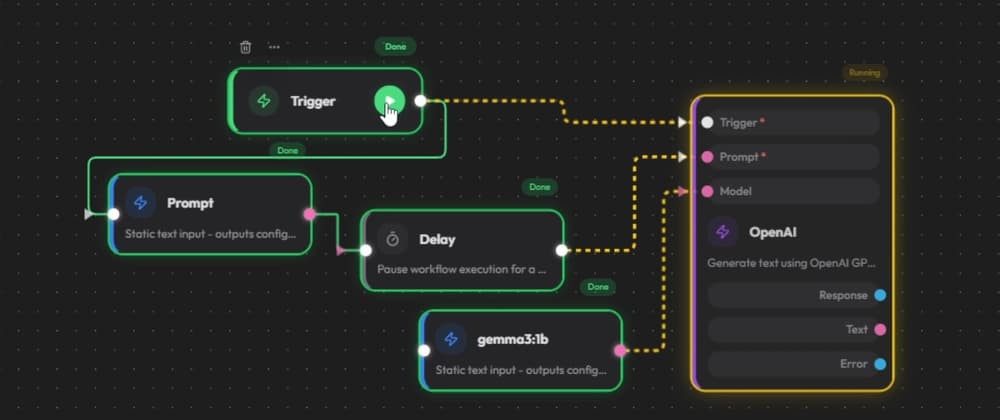
GitHub's October 1 changelog: Dynamic Workflows enter public preview — write once, run multi-agent processes with fixed steps, parallel execution, cross-verification, and human checkpoints. Drawn apart from the improvisational /fleet — "process as code" officially enters the AI agent world, and vibe coders' reusable prompt checklists finally have a better home.
The third time you run the same multi-step process, stop copy-pasting prompts. This guide covers the upgrade signal for workflow-as-code, four design building blocks (sequence/parallelism, structured handoffs, cross-verification, human checkpoints), a worked "release check" example — code owns the process, agents own the judgment — plus three anti-patterns.
Long tasks die three ways: context explosion, process death, or human kill — all voiding your progress. This guide gives you three checkpoint layers: commit discipline for code, data snapshots for data, phase summaries for process — plus idempotent design and a monthly 10-minute recovery drill. Ctrl+C becomes a hiccup, not a disaster.
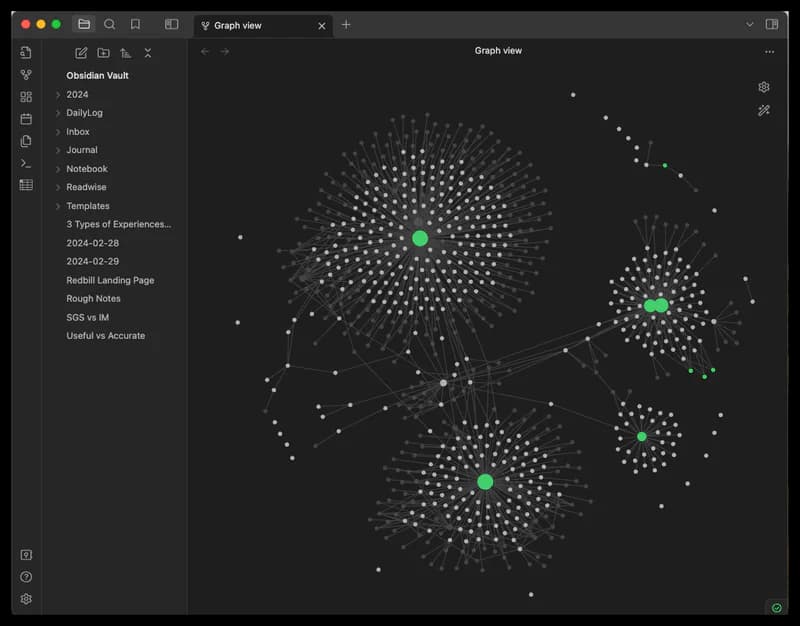
Obsidian is a local-first Markdown note-taking app: free, offline-capable, and built around bidirectional links plus 2,000+ community plugins that turn scattered notes into a living knowledge network. This guide walks you from installation, interface tour, links, graph view and Canvas to plugin picks, sync options, pricing, and a hands-on Zettelkasten workflow, with real screenshots at every step.