

VIBEFIX EXPLORE

Explore what to build next

Reusable AI coding guides, tool updates, and signals from the builder ecosystem.

Featured

Latest

A small robot sitting at a desk coding on a laptop, symbolizing Haiku 5.5's new positioning as an AI coding subagent
News
Small Models Are Becoming the "Subagent Commodity": The Multi-Agent Cost Economics Behind Claude Haiku 5.5's Price Cut

Anthropic released Claude Haiku 5.5 on October 7, calling it its "cheapest, fastest, and most capable small model." But the real story isn't the discount — it's a "100K-token price cliff": prompts under 100K tokens get roughly 90% off, while longer ones get only about 50%. Anthropic is using pricing to teach you to break big tasks apart — the small-model battlefield is shifting from "chatting with you" to "being orchestrated by bigger models."

AI CodingModel UpdatesIndustry Trends
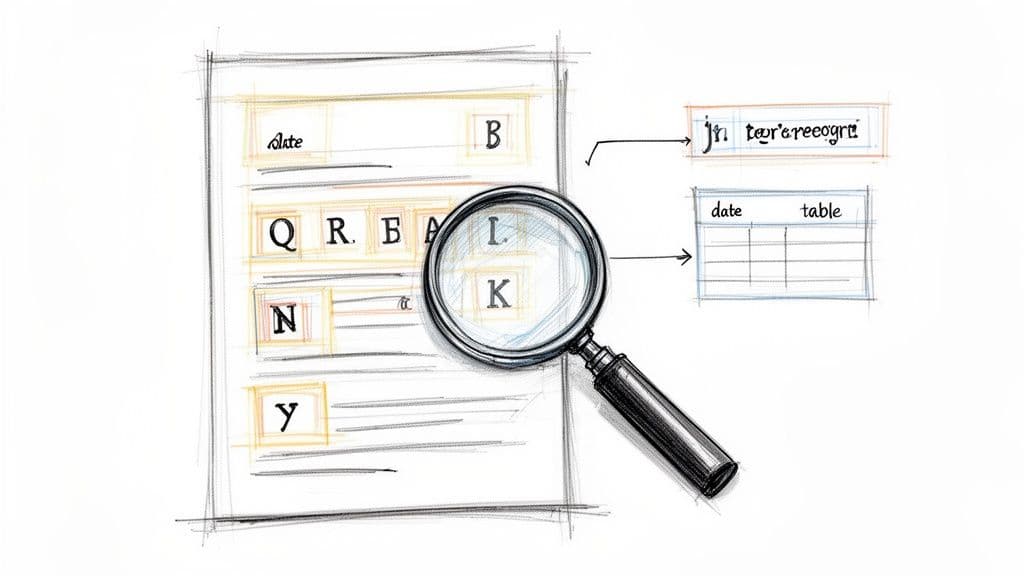
Hand-drawn illustration of document parsing: a magnifying glass scans a document covered in OCR recognition boxes, with arrows pointing to structured table output
News
An "OpenRouter" for Document Parsing: LlamaIndex Launches OpenDocRouter with 10 Models Behind One API

On October 7, LlamaIndex launched OpenDocRouter: one POST /v1/parse endpoint backed by 10 document-parsing models — five frontier closed-source models plus five open-source ones, switchable at will. Its companion ParseBench shows Claude Opus 5.5 scoring 84.20 at $48.82 per thousand pages, while GPT-6 Luna scores 71.34 at just $0.80 — a 60x price gap for a 14-point difference. Document parsing finally has a public, transparent quality-vs-cost menu.

AI CodingProduct LaunchData Workflows
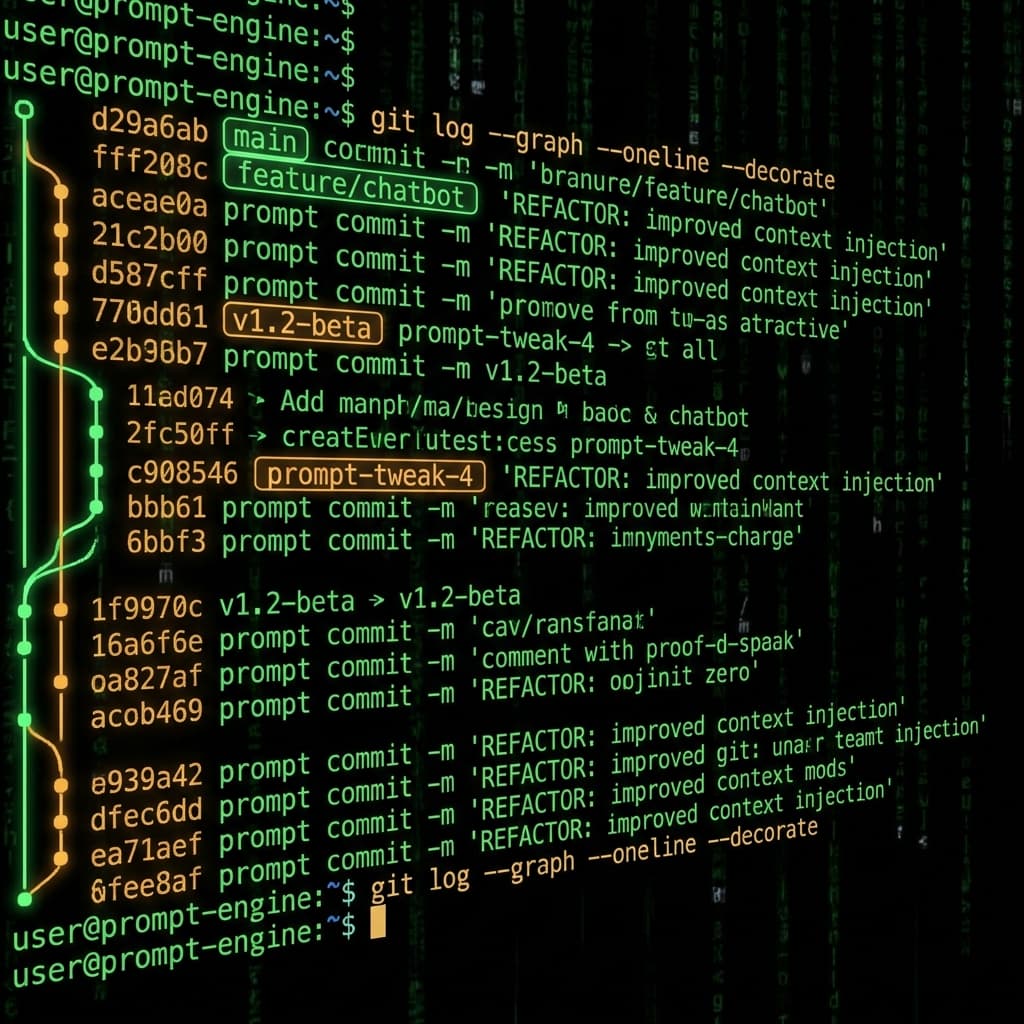
PromptGit concept art visualizing prompt version control
Guide
Treat Prompts Like Code: Prompt Version Control for Vibe Projects

Prompts in vibe projects live in code strings, admin text boxes, and docs — changed live, version unknown when things break. This guide shows how to treat prompts like code: a prompts/ layout, YAML frontmatter, semantic versioning, PR reviews, canary rollouts with one-click rollback, plus an evals baseline — and a real war story: one added sentence cost 12 points of classification accuracy.

AI CodingDeveloper WorkflowTool Tips
Pull request workflow illustration: a developer submits code while code windows pass check marks toward merge
Guide
After the AI Writes the Code: A Practical Code Review Workflow for Vibe Projects

The faster AI writes code, the more review matters. Four layers: diffs for logic (boundaries, errors, concurrency — plus auth, payments, SQL, encryption, secrets), runtime for behavior (type checks, lint, security scans go green first), AI for first-pass screening (a second model reviews, humans read only flagged parts), humans for the final call (AI never clicks merge). Includes commit norms, PR template, branch protection, rollback plans.

AI CodingDeveloper WorkflowTesting & Quality
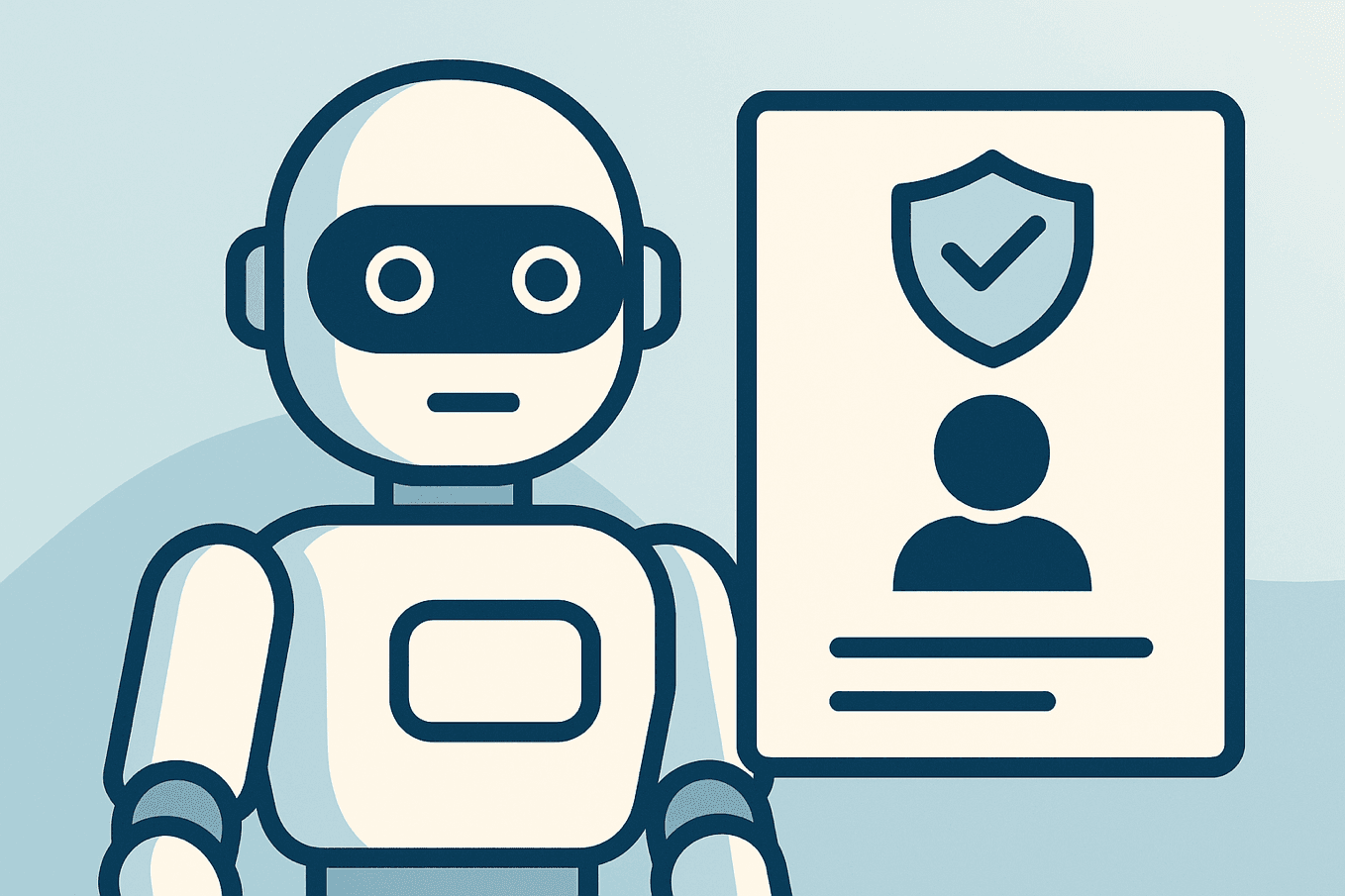
Concept illustration of a robot holding a digital ID card with a shield verification badge, symbolizing AI agent identity
News
AI Agents Get Their Own 'Sign in with Google': AgentMail Launches AgentID

AgentMail launched AgentID on October 6: agents log in to third-party apps using their own email as an OpenID Connect identity. The verification-code step disappears, one authorization lasts 180 days. Identity may be the real watershed between agent toys and agent production.

AI CodingProduct LaunchAuthentication & Access
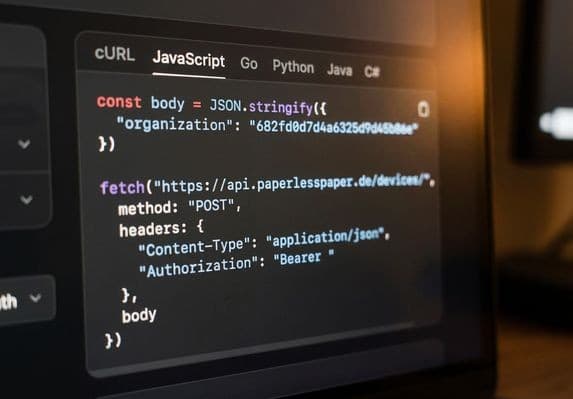
JavaScript fetch POST request code on an API documentation interface
Guide
Let the Outside World Knock: Webhook Integration in Practice for Vibe Projects

A user just paid — how does your system know? Code was pushed to GitHub — how does deployment trigger itself? The answer is webhooks: APIs called in reverse. This guide breaks webhook integration into five pieces — receiver design, signature verification, idempotency, retries and dead letters, local debugging — walks you through complete Stripe and GitHub flows, and flags the three traps AI loves to fall into.

API IntegrationAutomationBackend Engineering
Yellow 3D padlock with purple checkmark badge symbolizing secure authentication
Guide
Don't Let AI Leave Your User System Unlocked: The 5-Piece Auth Playbook for Vibe Projects

AI writes login code fast and confidently — but auth is where it fails most: plaintext passwords, never-expiring JWTs, broken access control, secrets in frontend code. This playbook gives you five pieces: a build-vs-buy decision table, session mechanics, passwords and credentials, the authorization model, and hardening — plus a prompt template for AI-written auth and a 10-question review checklist.

Authentication & AccessApplication SecurityBackend Engineering
A terminal window showing a command-line interface on a dark background
News
HashiCorp Founder Writes a New Terminal Protocol: Stop Guessing What Your Agents Are Doing

Mitchell Hashimoto published OSC 7501, the "Program Status Protocol": any program can report via a terminal escape sequence whether it is idle, working, blocked, or done — and why. The motivation: people running N coding agents today can only "read the screen and guess." He wants to turn guessing into knowing. Ghostty already implements it, with a dozen-line PoC for Claude Code and Codex.

Developer WorkflowTool TipsOpen-source Projects
Two developers collaborating around a screen displaying code
News
Atlassian Launches AMP: AI-Written Code Can No Longer Hide

On October 7, Atlassian launched the Agentic Multiplayer Protocol (AMP): AI agents get an "identity," and codebases precisely record what humans wrote versus what agents did, across Claude, Codex, Figma, and Rovo. Bundled with the Teamwork Graph code index, the Rovo Work long-task mode, and EU-only inference. As vibe coding enters the enterprise, "who wrote the code" turns from vanity into compliance and cost.

Industry TrendsDeveloper WorkflowSecurity & Privacy
Multiple AI coding agent sessions running side by side on a dark terminal interface
News
Codex Issues a "28-Day Pledge": One Improvement a Day, or a Usage Reset for Everyone

On October 4, OpenAI's Codex engineering lead Tibo made a public pledge: for 28 days, ship one clear improvement every day for most Codex and ChatGPT Work users — on days the team fails, everyone gets a usage reset. Day 1 brought ~50% faster GPT-6 Astra / 6.1 Sol by default, Day 2 made Auto-review free for ChatGPT sign-ins, Day 3 put GPT-6 in the chat tab. This is an experiment in turning product iteration into a daily series.

AI CodingIndustry TrendsProduct Launch
A hand holding a phone browsing a webpage, next to an enlarged touch-target illustration
Guide
Half Your Traffic Is on Phones: The Mobile Experience Checklist for Vibe Projects

Agents make your site gorgeous on a 27-inch monitor — then users open it on phones: buttons too small to tap, forms that break when the keyboard appears, layouts blown out by horizontal scroll. Mobile isn't a shrunken desktop; it's a different interaction language. This checklist covers touch targets, viewport and zoom, form keyboards, performance budgets, PWA installability, and the mobile-first acceptance phrases that get agents to ship it right.

Design ExperienceMobile AppsPerformance