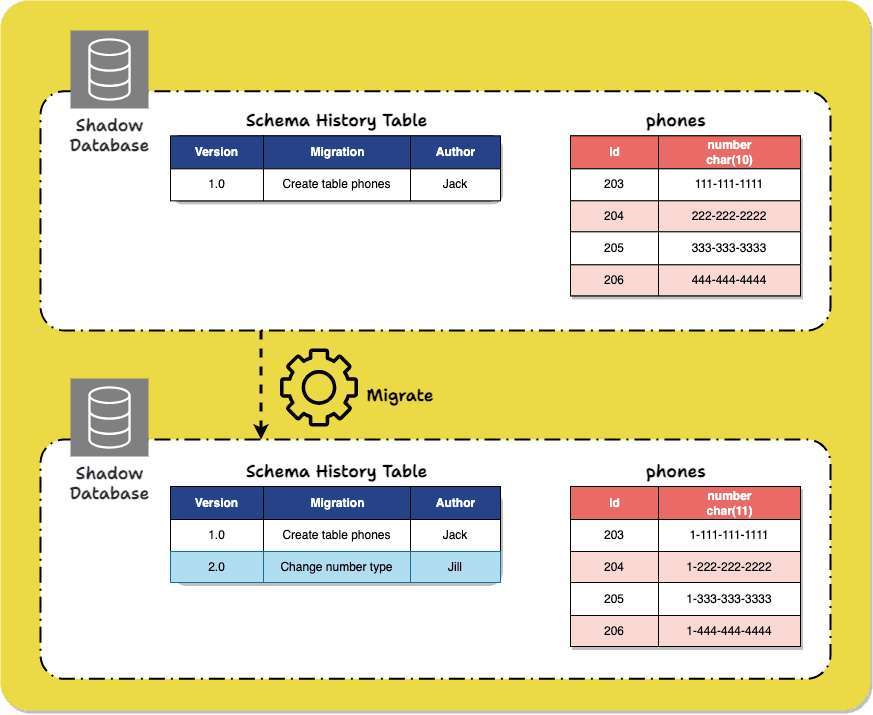
In vibe coding, the database is where projects go to die: an agent changing schema is far less reversible than an agent changing code — one DDL and the data is gone. These 5 rules were paid for in real incidents, each with concrete steps and counterexamples.
Per The Information, Microsoft cut its internal Anthropic budget from $1 billion by a third, and Meta's internal Claude Code user base fell from about 60,000 to 30,000. This isn't just about saving money — dogfooding is becoming the new front line of the model wars.
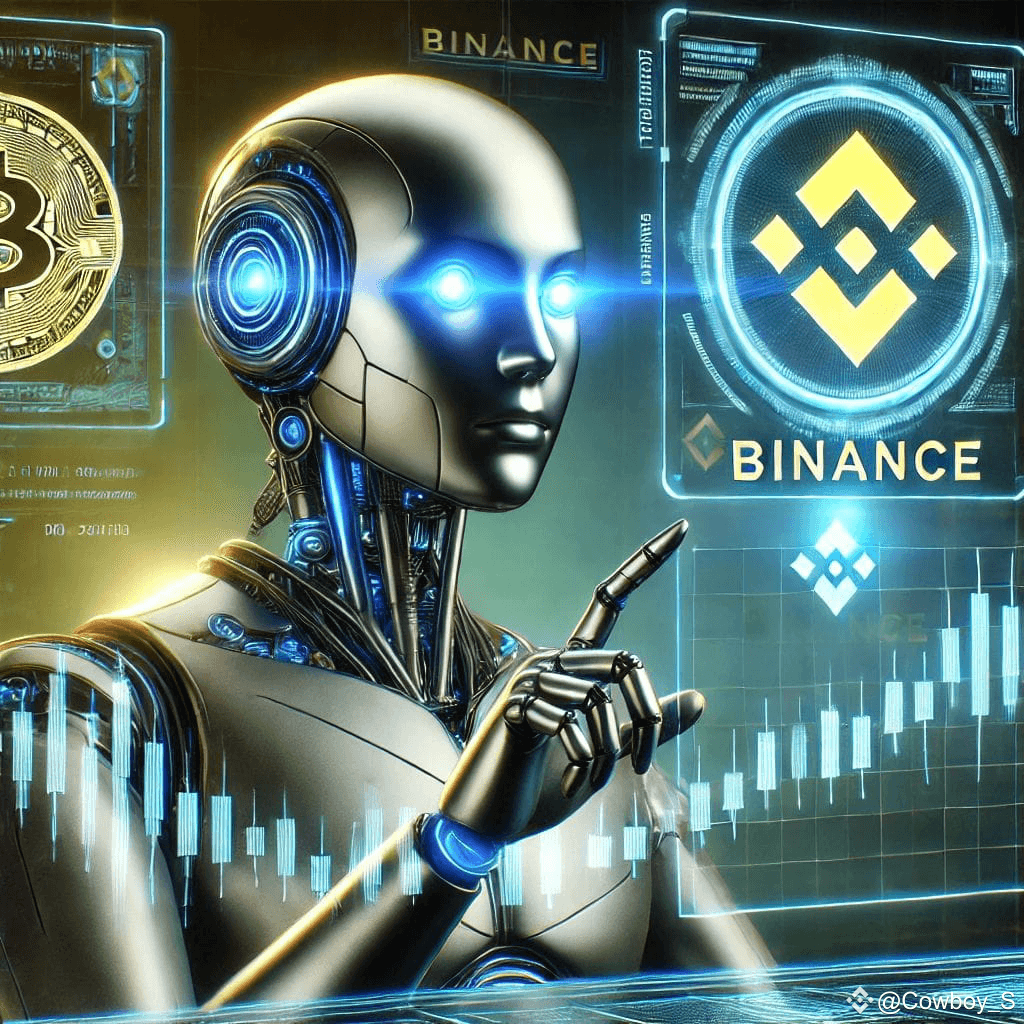
On October 5, Binance unveiled the Binance Intelligence product stack: the free AI assistant Binance AI, AI Pro that turns plain language into live trading strategies, and the developer platform Agent OS. It is the first time a top exchange has closed the full loop from natural language to strategy code to live execution.
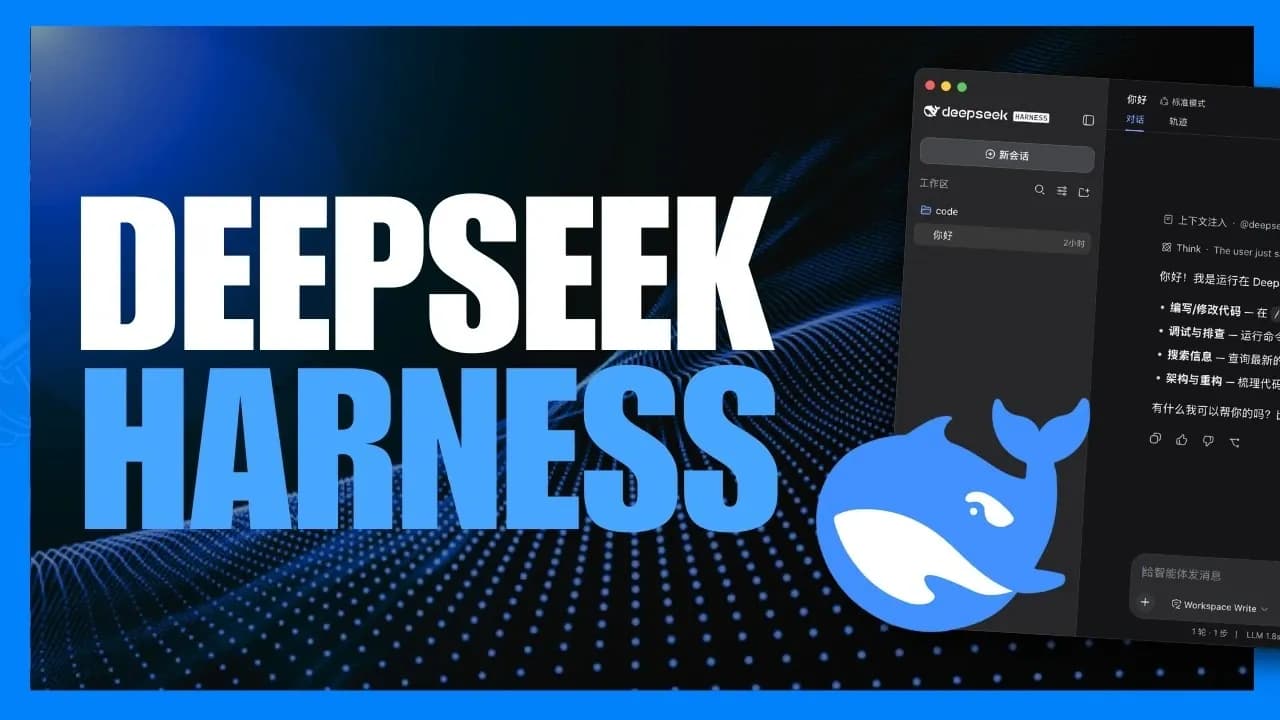
On September 30, the official DeepSeek Harness account announced v0.2 preview on X, shipping official desktop installers for the first time: macOS (Apple Silicon) and Windows 64-bit. Less than two months after the August 13 v0.1 release, the repo has collected around 242K GitHub stars. v0.2 adds an in-app plugin manager, a scheduled Automation Task plugin, and a file preview sidebar — the agent harness is growing from a terminal tool into a desktop app.
In April, an agent deleted a company's production database and its backups — because it had the permissions and nobody told it not to. Data safety for vibe projects can't rely on luck. This guide gives a backup playbook: three-layer backup strategy, agent permission isolation, and a 10-minute weekly disaster-recovery drill.
Everyone who's coded with agents has seen it: stuck circling the same error, confidently delivering a completely wrong solution, quietly deleting your files. Agent failures aren't random — they follow fixed patterns. This guide catalogs the 7 most common deaths, each with symptoms, root cause, and a one-line countermeasure.
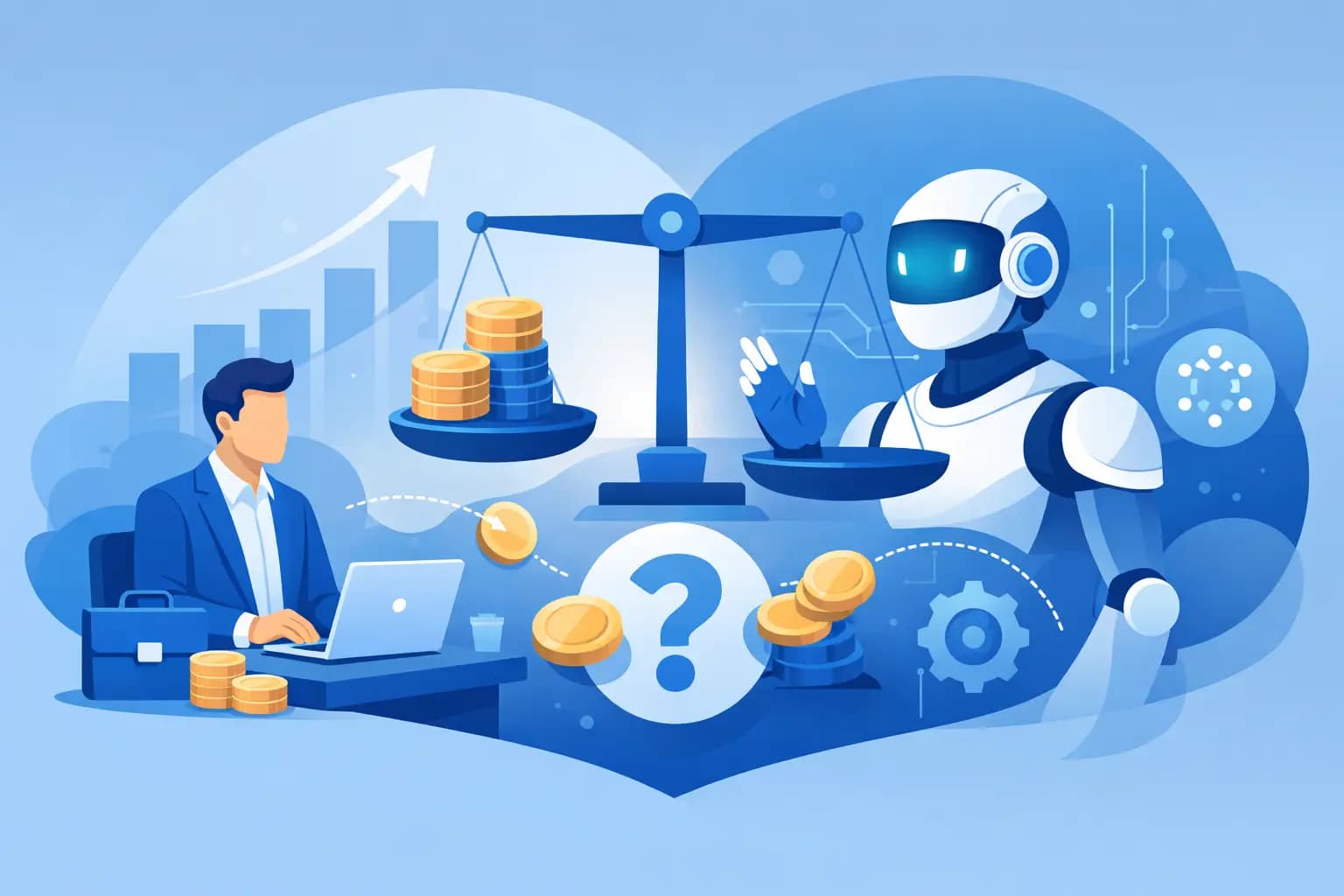
Heavy agent users pay $60–200/month, but half of it burns on tasks that never deserved it. This guide gives a practical model-routing playbook: which model for which task, how to set up automatic downgrades, and three moves that cut 40% immediately. What you save isn't pocket change — it's next month's server budget.
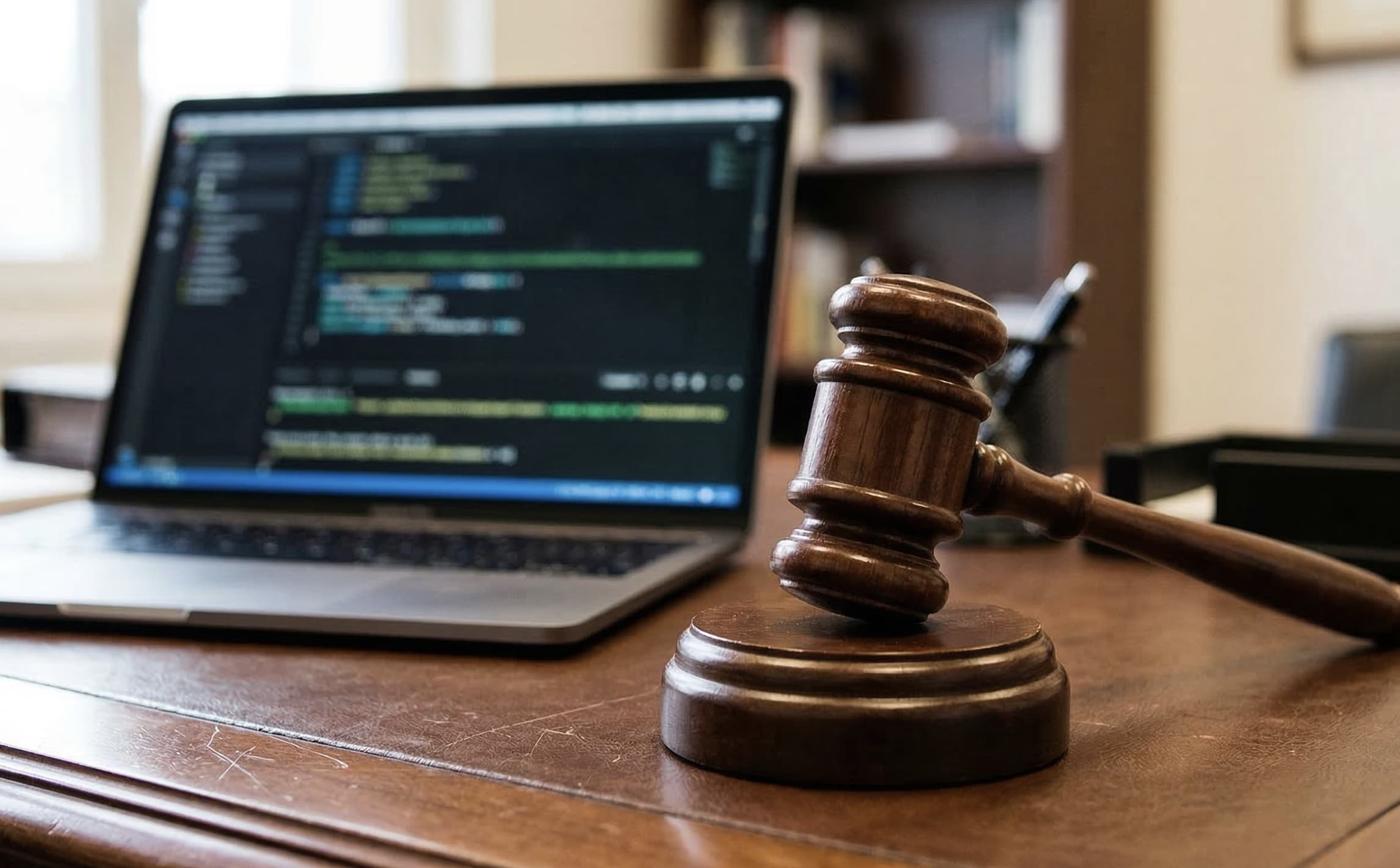
Your agent may be pasting GPL code into your closed-source project without you knowing — and 'the AI wrote it' is not a legal defense. This guide maps where the license risk in AI-generated code actually lives: training-data contamination, the state of the Copilot lawsuits, and a self-audit checklist any indie can run tonight.
Developer WorkflowSecurity & PrivacyIndie Development
In an October 4 Axios scoop, Nvidia-backed Reflection — founded by two ex-DeepMind researchers — is preparing to release its first open-weight foundation model this month, aimed squarely at DeepSeek and Qwen. The company has locked in $7B+ in compute through 2029. But hold the champagne: no name, no size, no license, no benchmarks yet.
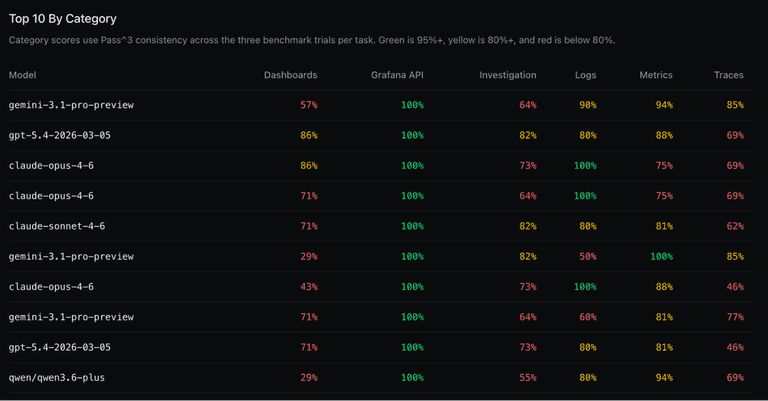
The October 2 SWE-bench Pro update shows Claude Opus 5.5 leading at 89.9%, followed by Sonnet 5.5 (81.3%) and Claude Fable 5.1 (81.2%). But hold off on ordering: OpenAI's July audit estimated roughly 30% of the benchmark's public tasks are broken — and the leaderboard's own maintainers warn against making purchase decisions on it.
AWS confirmed on October 5 that Bedrock Managed Agents is in public preview — OpenAI's agent stack running in full on a non-Microsoft cloud for the first time. Inference, tool calls, and memory all stay inside the customer's own AWS account, governed by IAM identities and permissions. The seven-year rule that production OpenAI meant Microsoft's cloud is broken.
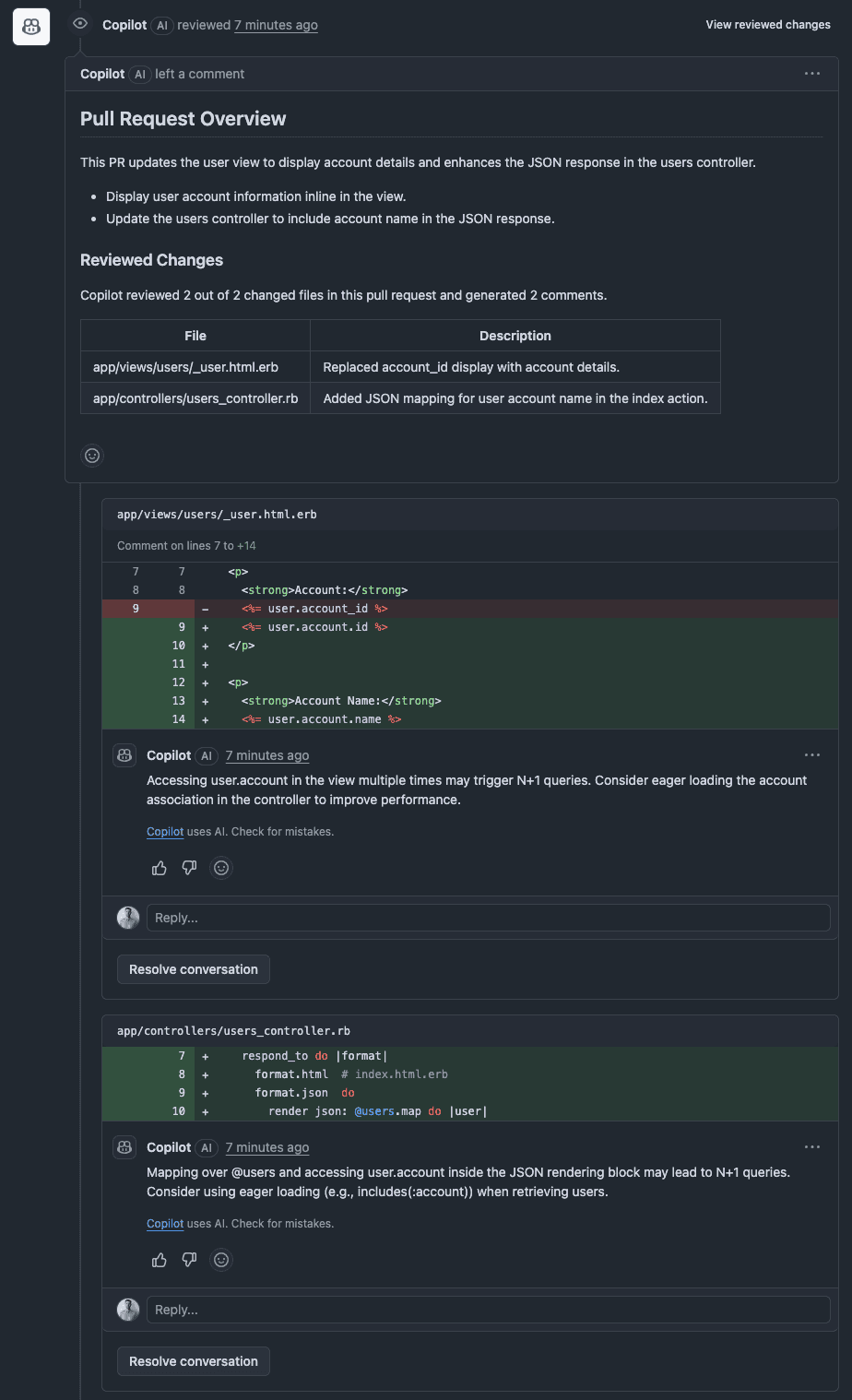
In an October 2 changelog entry, GitHub announced that Copilot code review can now be triggered via REST and GraphQL APIs, with a review effort level settable per request. Balanced replaces Lite as the new default. Code review just went from 'a button in the editor' to 'a step you can orchestrate in a pipeline.'