AI writes code fast but debugs slowly — because you're still directing the agent with pre-AI debugging habits. "Fix it" is the most expensive instruction. Five patterns: reproduce first, give full context at once, bisect the search space, require a regression test, and cap attempts at three. Debugging is one of the last moats for programmers in the AI era.
VIBEFIX EXPLORE
Explore what to build next
Reusable AI coding guides, tool updates, and signals from the builder ecosystem.
Featured
Latest
On October 3, Cline announced on X that Ling 3.1 Flash is free until October 13 — a 560B-parameter MoE model with 25B active parameters that Vercel launched on September 30. Cline is also funneling users toward its desktop beta. The free model is the bait; the real product is the harness you keep when models change.
On September 29, Cognition cut Devin prices across the board: 30-40% off Fusion and Normal modes, up to 70% off Devin Review. The same week, Devin Fusion scored 68.8 on FrontierCode 1.1 Extended at an average cost of $0.60 per task. A company that just crossed $1B in annualized revenue and closed a $2B round doesn't cut prices for cash — it's buying pricing power.
AI compressed your launch into a week, but nobody took your on-call shift. First-week users are the most forgiving — and churn the fastest. This manual covers error tracking, uptime monitoring, log hygiene, and rollback plans: set up four things the night before launch, then spend 15 minutes a day on patrol.
In vibe coding, the most dangerous line is often not written by AI — it's installed by it. OpenCode's RCE came through an npm preinstall script. This guide gives you a dependency review workflow you can set up tonight: lockfiles, audits, least privilege — so your AI's generosity stops becoming your incident.
Adversa AI's October digest collects 26 security studies: GitSpawn lets untrusted repos execute code in 7 major agents, a DeepSeek Harness sandbox escape scores CVSS 9.4, ZCode was caught silently uploading full Git history. The most cutting summary — this month's attacks rarely touched the model; they all hit the harness.
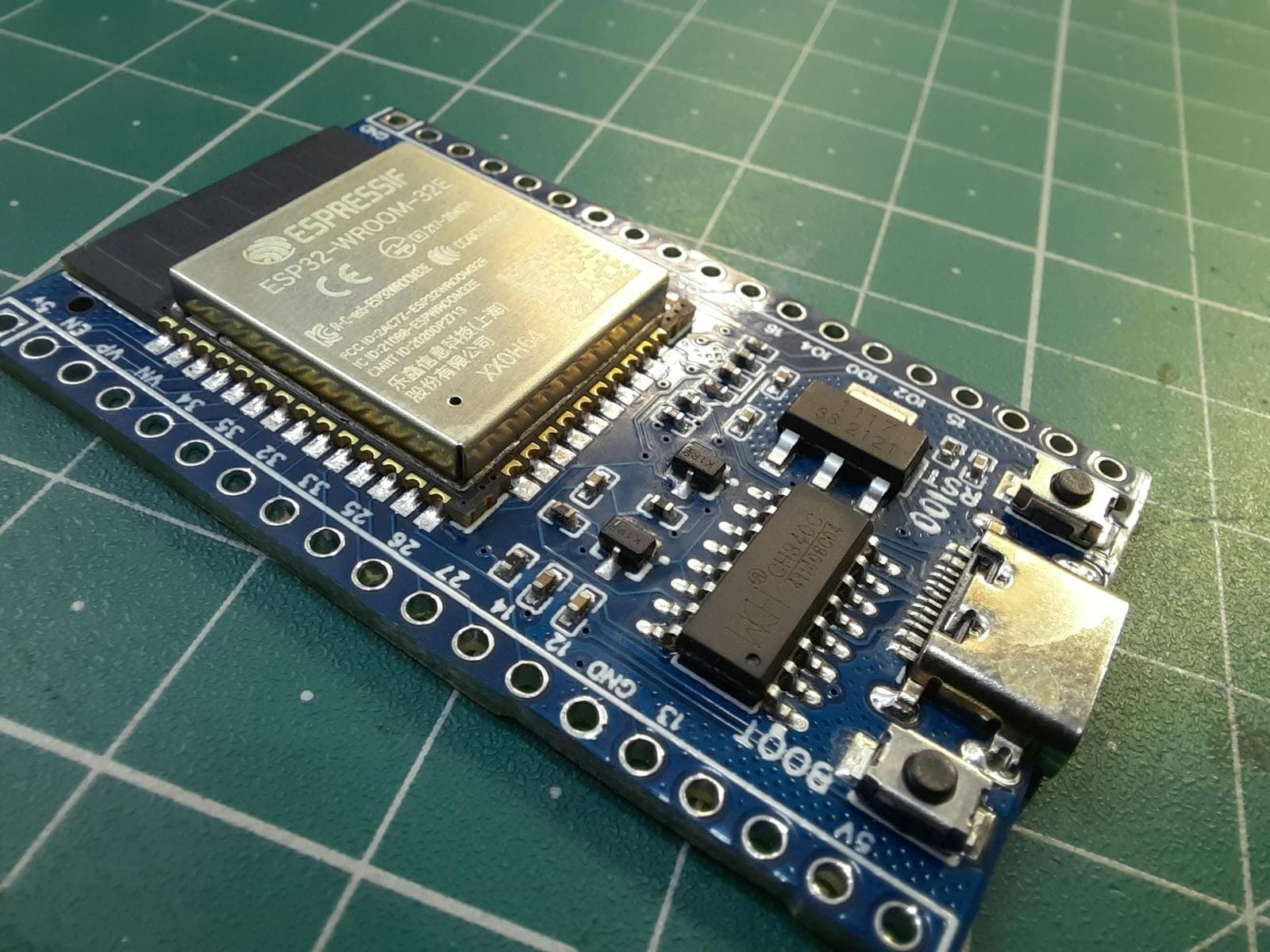
On October 2, Meta Superintelligence Labs product head Nat Friedman announced Muse Gadgets: open-source ESP32 firmware plus a Linux SDK for building your own Muse hardware. Grab an API token from gadgets.muse.ai, point your favorite coding agent at the GitHub repo — the rest is solder and imagination.
The distance from a vibe coding demo to a real business is often exactly one payment button. Stripe is the most vibe-coder-friendly way to collect money: docs an AI can read and get right, hosted Checkout pages with zero frontend work, and Payment Links that collect money in 5 minutes. This guide covers two integration paths, the steps from zero to your first payment, and four pitfalls you're guaranteed to hit — the first of which costs people money every year.
More vibe coding projects die from database selection than from code bugs — not because they chose wrong, but because they chose too heavy, too early. This guide starts with a decision table, breaks down the real trade-offs of Supabase, Neon, Turso, Convex, and Firebase, and ends with three counter-intuitive tips — the most important one: don't pick the "strongest," pick the one you won't regret deleting.
On October 1, IBM announced self-hosted deployment for Bob, its agentic software development platform — covering on-premises, private cloud, sovereign cloud, and even air-gapped environments. Sensitive code and data never leave the controlled network. The real barrier keeping AI coding out of large enterprises was never model capability but compliance; self-hosting solves that last mile. Freedom has a price, though: the ops burden is back on your shoulders.