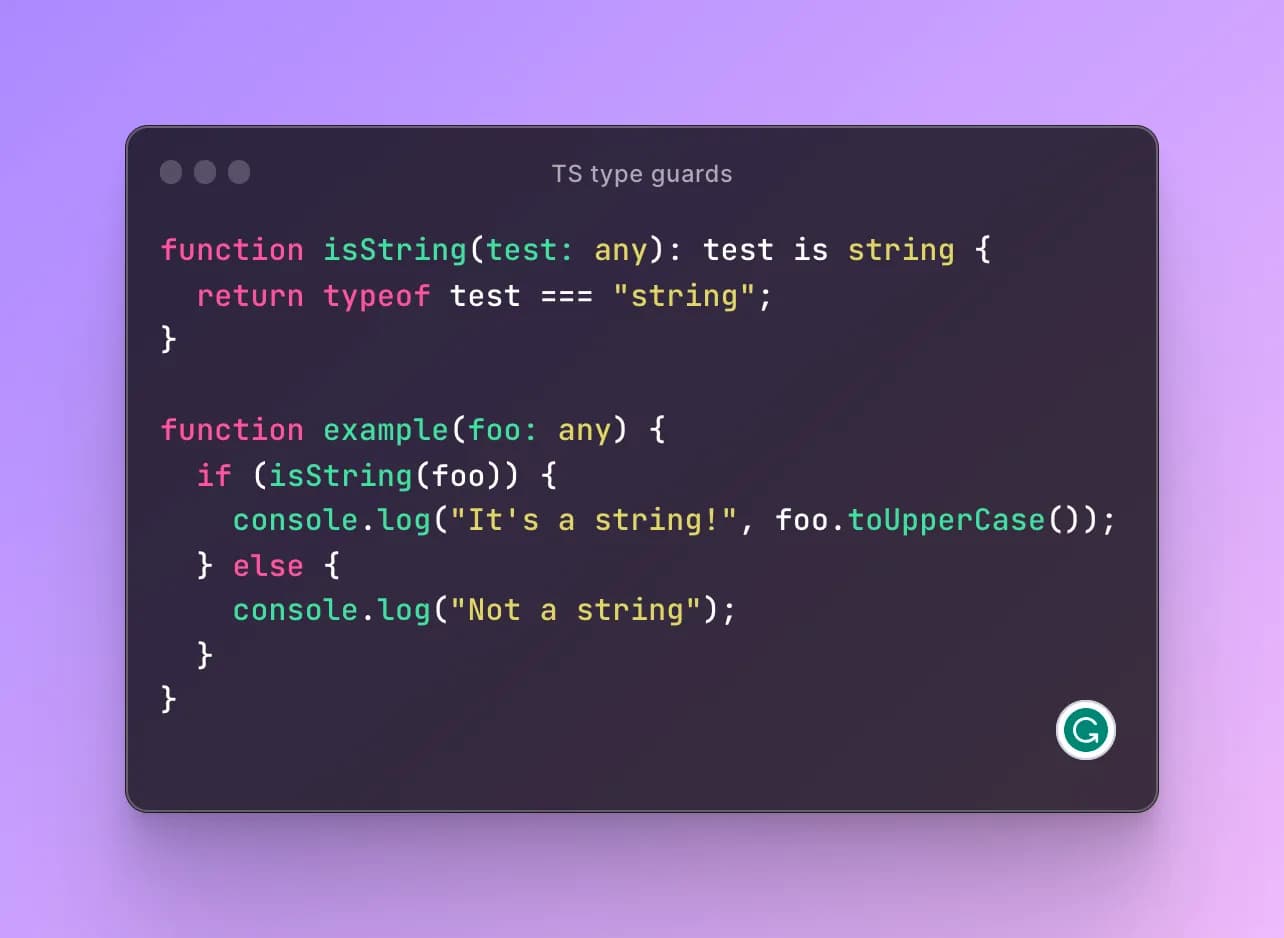
As of October 2026, 12 major coding agents — Claude Code, Codex, Cursor, Copilot, Windsurf and more — all support tool-call interception via hooks. 'Ask me before the agent does something bad' went from luxury to standard. This guide covers 4 essential hook types: secret-leak blocking, dangerous-command confirmation, file-write fencing, and audit trails.
VIBEFIX EXPLORE
Explore what to build next
Reusable AI coding guides, tool updates, and signals from the builder ecosystem.
Featured
Latest
On September 25, AI coding startup ByteAsk announced a $1M pre-seed round led by Y Combinator. Founded only in June 2026, the company does one thing: AI coding agents for C/C++ developers. The wedge is sharp — generic agents shine in Python/JS but fall apart in high-frequency trading, automotive, and embedded systems, where one wrong line can be catastrophic.
An open-source skill called Ponytail is going viral in AI coding circles: 152K GitHub stars, claiming 54% less code from agents, 20% cheaper, 27% faster, with zero safety compromise. The mechanism isn't mysterious — a 'seven-rung ladder' forcing the agent to ask before writing: does this need to exist? Is it in the stdlib? Would <input type="date"> suffice?
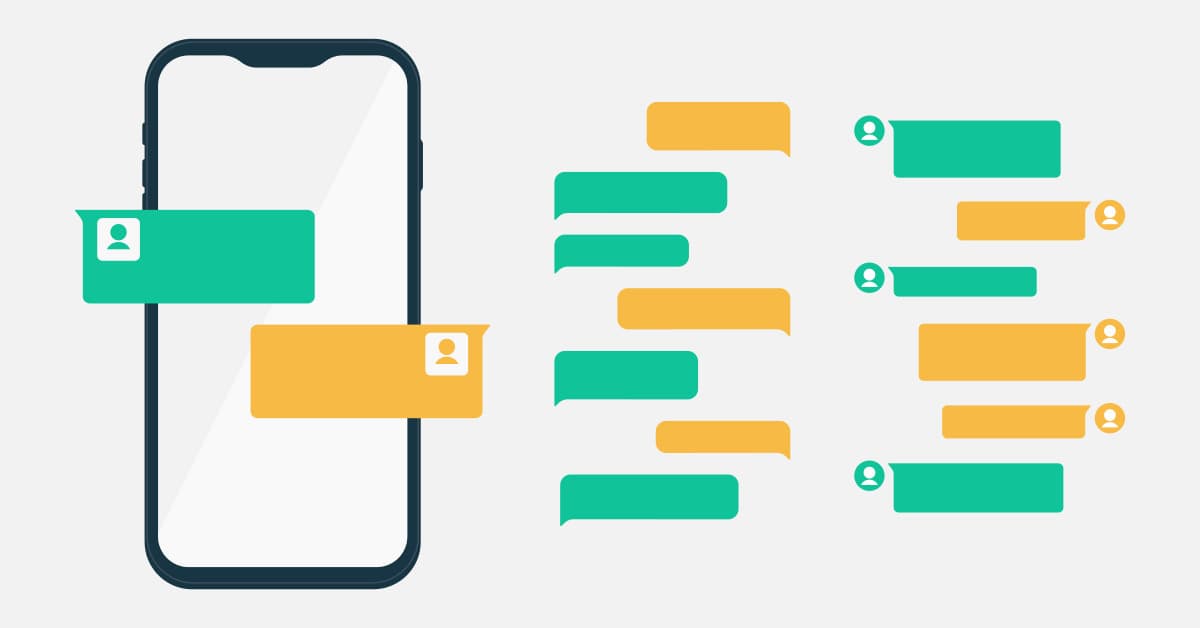
On October 1, AI infrastructure startup Photon announced a $4.5M seed round led by Gradient and A*. Two weeks earlier, it held a real funeral for the 'mobile app' in a San Francisco church — coffin full of app icons included. Behind the stunt is a serious bet: users don't want to install new apps anymore; developers should deliver agents directly inside iMessage and WhatsApp.
On October 2, Supabase announced its acquisition of Turso — the company that rebuilt SQLite in Rust — alongside roughly $150M in new funding. The thesis is blunt: Supabase already launches over a million databases per week, created not by humans but by AI agents. When software's biggest customer becomes the machine, databases must become as cheap, isolated, and disposable as files. This deal bets on a new category: the agent database.
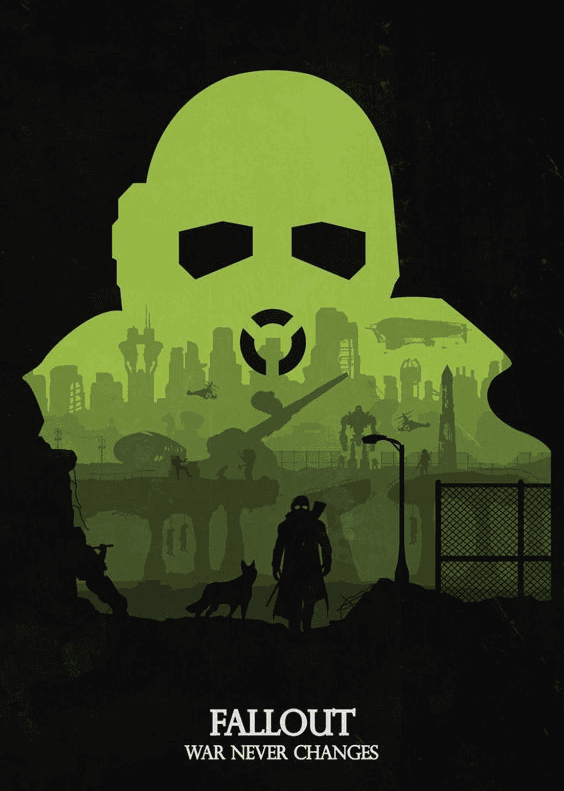
Fallout: New York just got cease-and-desisted by Bethesda. AI lets one person "remake" a AAA title in days, but copyright law offers no discount for that. This guide gives 5 practical rules — from domains and assets to training data to what to do if the letter arrives — so you can homage the classics without stepping on mines.
On October 1, self-described AI creator CHRIS FIRST abandoned his browser-based Fallout: New York after Bethesda parent ZeniMax sent a cease and desist. Almost simultaneously, Activision took down Maurice Heumann's demo of decompiling Call of Duty: Modern Warfare 2 with 17 AI agents running in parallel. AI lets one person remake a AAA title — and rights holders have started hitting back.
Anthropic just opened up Claude Code to mods. Instead of chasing the flashy official demos, write something that actually protects you every day: a guardrail mod that intercepts dangerous commands. This guide walks the full loop — understand the event model, have Claude write it for you, install and hot-reload, then run the security self-check.
On October 1, Anthropic launched Mods for Claude Code: small TypeScript functions that intercept prompts, tool calls, permission requests, and even redraw the UI — distributed as plugins, installed with a single /plugin command. The thrilling and dangerous part: mods don't run in a sandbox. They get the same machine access as Claude Code itself.
The biggest waste in vibe coding isn't wrong code — it's building something nobody wants. AI drives validation cost to near zero: a landing page in a day to test conversion, a fake door button to count clicks, concierge delivery before software, AI-assisted interview synthesis, and presales to see if anyone will pay. Validation isn't procrastination — it's buying the right not to build, at minimal cost.