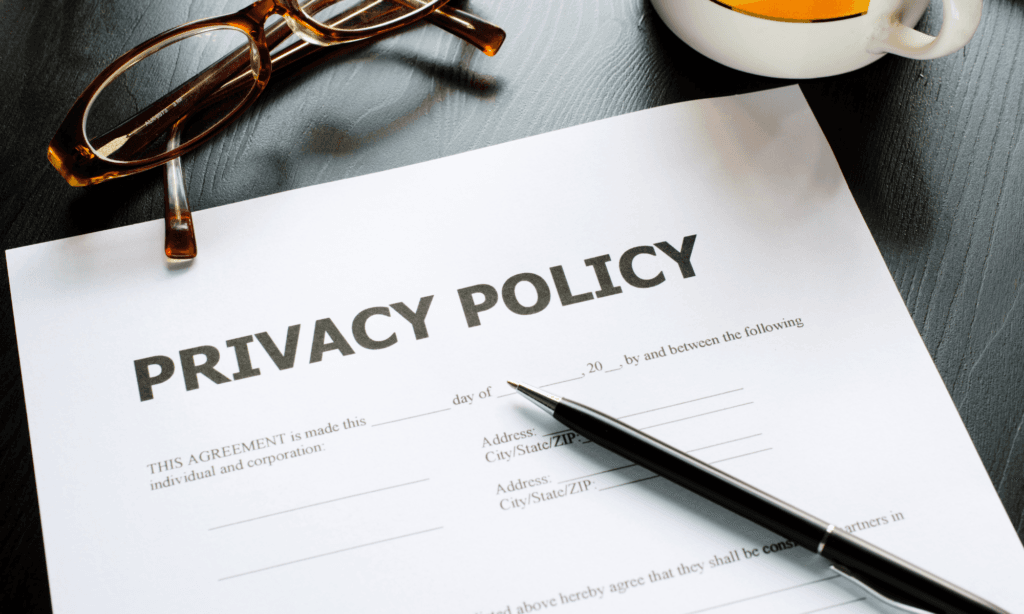
Your solo product is one deploy away from charging users — but the privacy policy, terms of service and cookie banner are missing or copy-pasted. This guide gives you the minimum viable legal trio: the 8 questions a privacy policy must answer, the 5 essential terms clauses, cookie banner minimums that pass review, a GDPR/CCPA/PIPL cheat sheet, and an AI drafting workflow with a 10-point human review checklist.
VIBEFIX EXPLORE
Explore what to build next
Reusable AI coding guides, tool updates, and signals from the builder ecosystem.
Featured
Latest
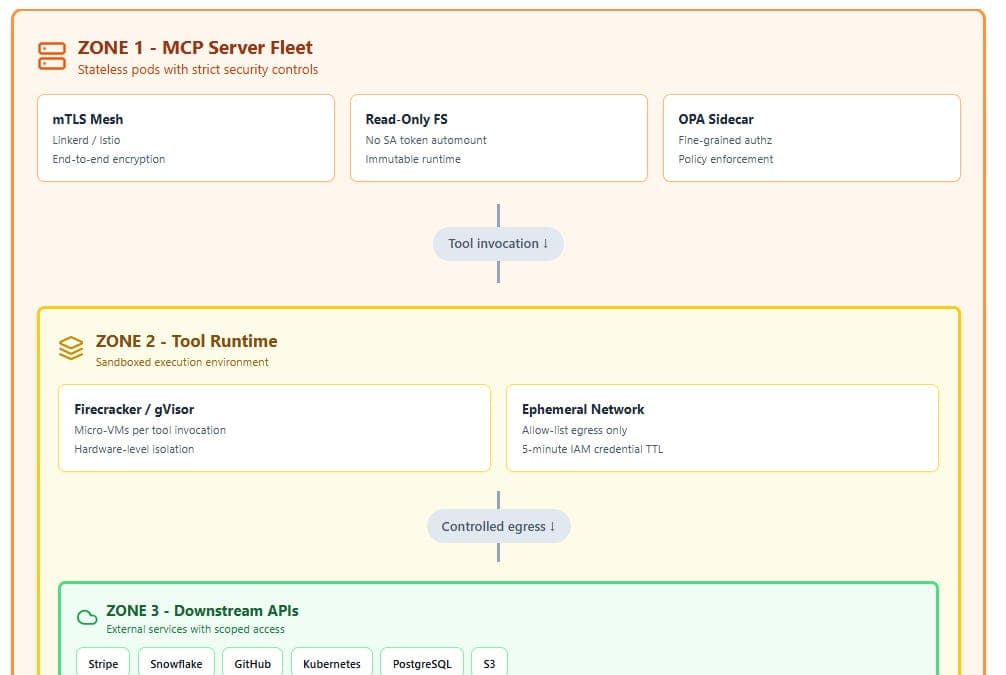
Five unrelated security teams - Google, JPMorgan Chase, Weaviate, France's DINUM and Indonesia's Tangerang City government - each independently confirmed and fixed the same SSRF flaw in their MCP servers. Independent researcher Syed Anas Mohiuddin's October update argues the bug is structural: the protocol's design, not anyone's implementation. We break down the Protocol Pivoting attack, compare the five fixes, and give vibe coders a defense checklist ahead of his 23 October MCPCon talk.
Model, prompt, or tool changes can silently break your agent while you're busy celebrating the fix. This guide shows how to build an eval harness from scratch: a 20-case golden set from real traffic, deterministic code scorers plus calibrated LLM judges, a three-layer scoring split, an anti-self-deception checklist, and a CI gate that actually blocks merges — closing the loop with production sampling and shadow runs.
You don't need a support team — you need a support system. This guide walks solo developers through the full playbook: ticket triage, a three-layer defense funnel, ticket-deflecting FAQs, an AI draft pipeline with copy-paste prompt templates, five canned-response templates, automation red lines, and a weekly 30-minute review SOP. Every section ships with templates you can use today.
Simon Willison shipped a Newsletters index page for his blog almost entirely by voice — chatting with the Codex tab in the ChatGPT desktop app while cooking dinner in his kitchen, barely touching the keyboard. When a top-tier practitioner starts coding with his mouth, voice + agents stop being a gimmick and become real productivity. A teardown of his playbook, where this workflow breaks, and the minimal setup to copy him.
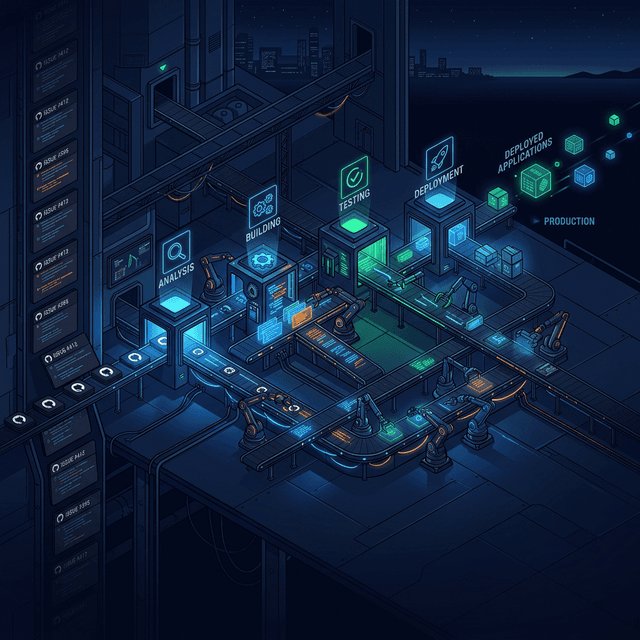
On October 6, GitLab announced its "governed software factory": /goal-driven flows in Duo Agent Platform carry one intent from code to deploy; Artifact Central, Dependency Firewall, and Secrets Manager guard assembly, entry, and keys; Orbit and Impact Analytics put the token ledger on the table. We break down the five highlights and read the three-way split between GitHub, Microsoft, and GitLab.
On October 7, 2026, GitHub moved secret detection to a purpose-built ModernBERT classifier: AI-detected alerts upgrade automatically at no extra charge, while AI checks in push protection and Copilot's /security-review enter private preview and will bill AI Credits per run. This piece breaks down the three changes, how context-aware detection works, the billing ledger, and what it means for vibe coding developers.
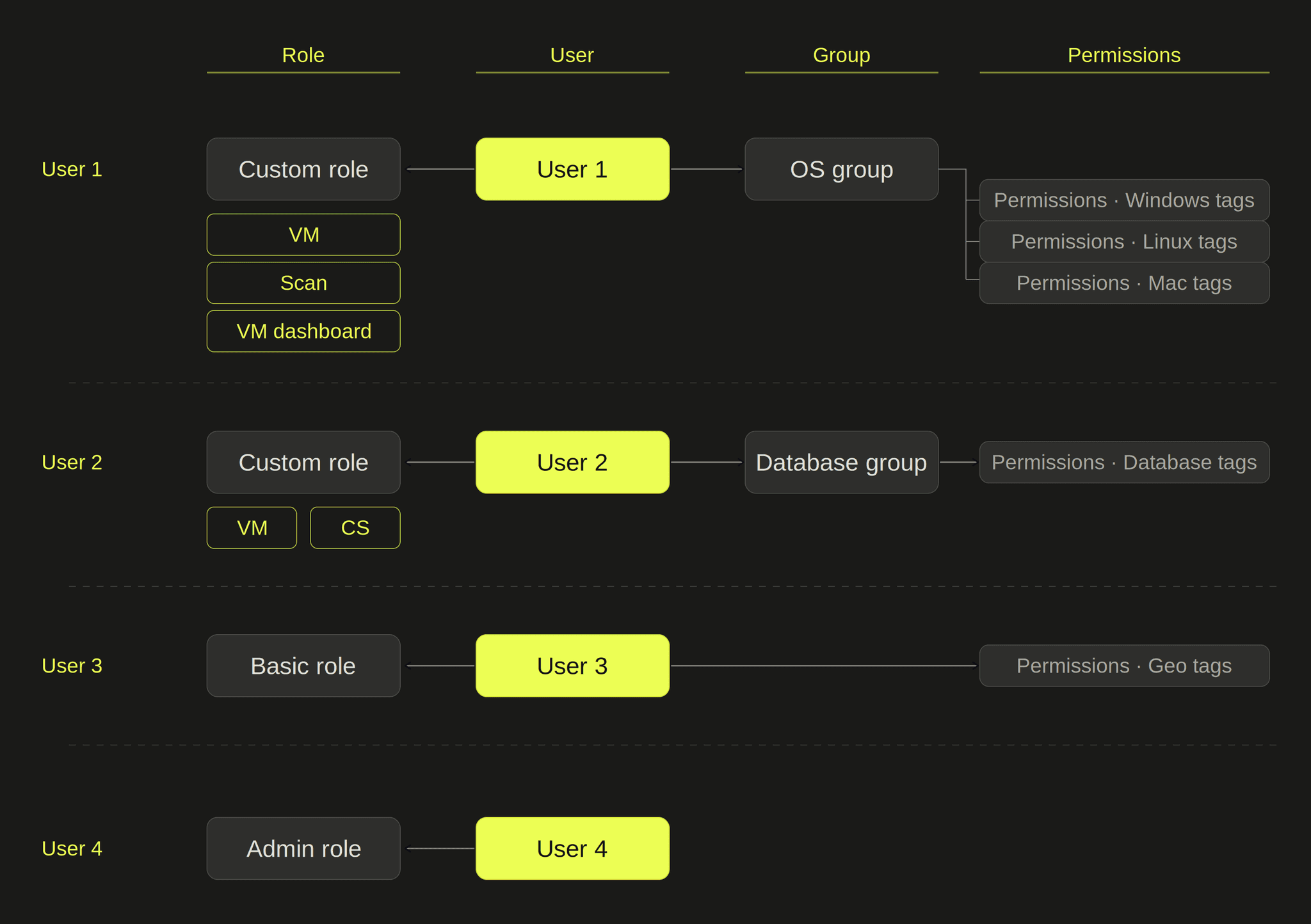
A hands-on RBAC playbook for vibe coders: the minimum viable user-role-permission model, Prisma schema, the requireRole guard pattern, token invite flows, audit logs, six pitfalls I stepped in, and the checklist for evolving to multi-tenancy — with complete, runnable code.
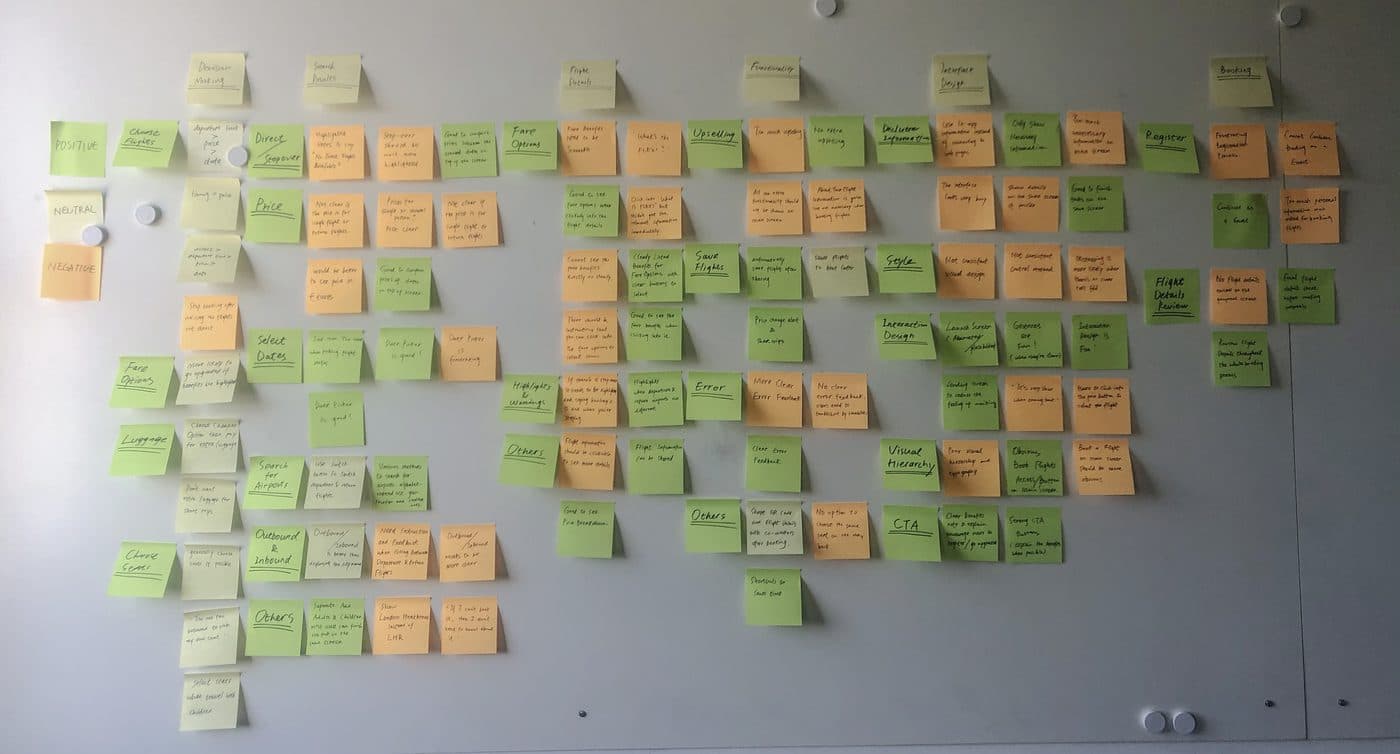
AI made building cheap and building right expensive. A field-tested user interview playbook: the five-person recruiting rule, Mom Test questioning, 20 ready-to-use questions, a 30-minute interview structure, affinity mapping and a pain-ranking matrix — plus a lightweight 4-interviews-a-month SOP for solo teams.
Deno's entire team is joining Cloudflare: the runtime gets one more year of maintenance before development ends, and Deno Deploy shuts down in six months. The real bet is celld × workerd — making the Workers programming model first-class on your own servers. And Dahl's core thesis deserves every vibe coder's attention: Durable Objects are becoming the de facto standard for agent infrastructure.