VIBEFIX EXPLORE

Explore what to build next

Reusable AI coding guides, tool updates, and signals from the builder ecosystem.

Featured

Latest

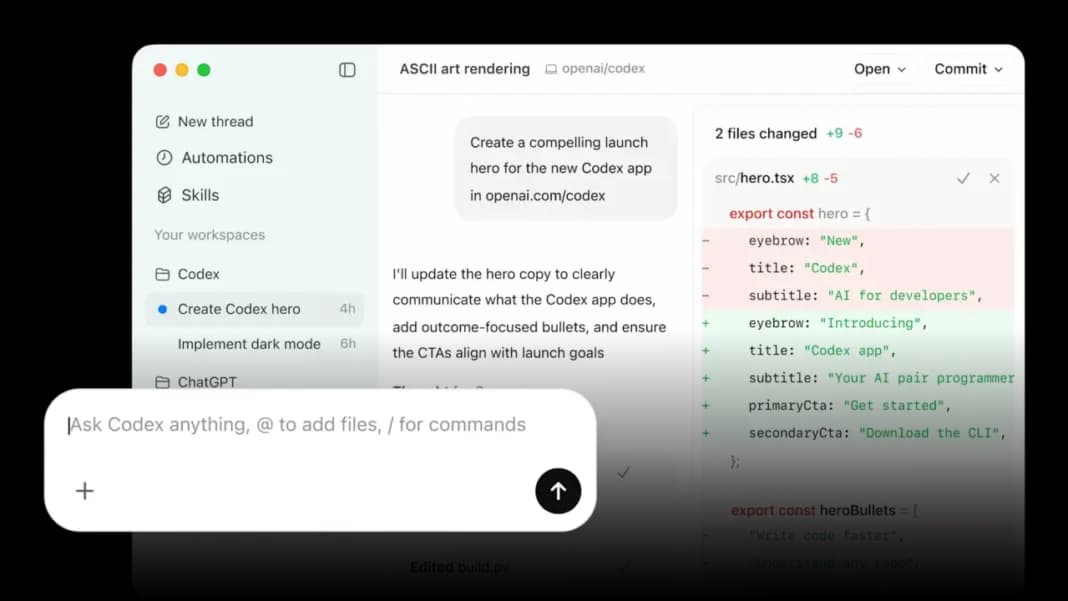
Codex Composer predictions suggesting the next message in the desktop app input box
News
Codex Learns to Jump the Gun: Composer Predictions Suggests Your Next Instruction, Tab to Keep Working

Codex desktop beta adds Composer predictions: after each response, a suggested next sentence appears in the input box. Tab to accept, review, then send. Free during beta and on by default, it shifts the cognitive load from wording intent to verifying it — but a suggestion is never an instruction.

Developer WorkflowOpenAI CodexAI Coding
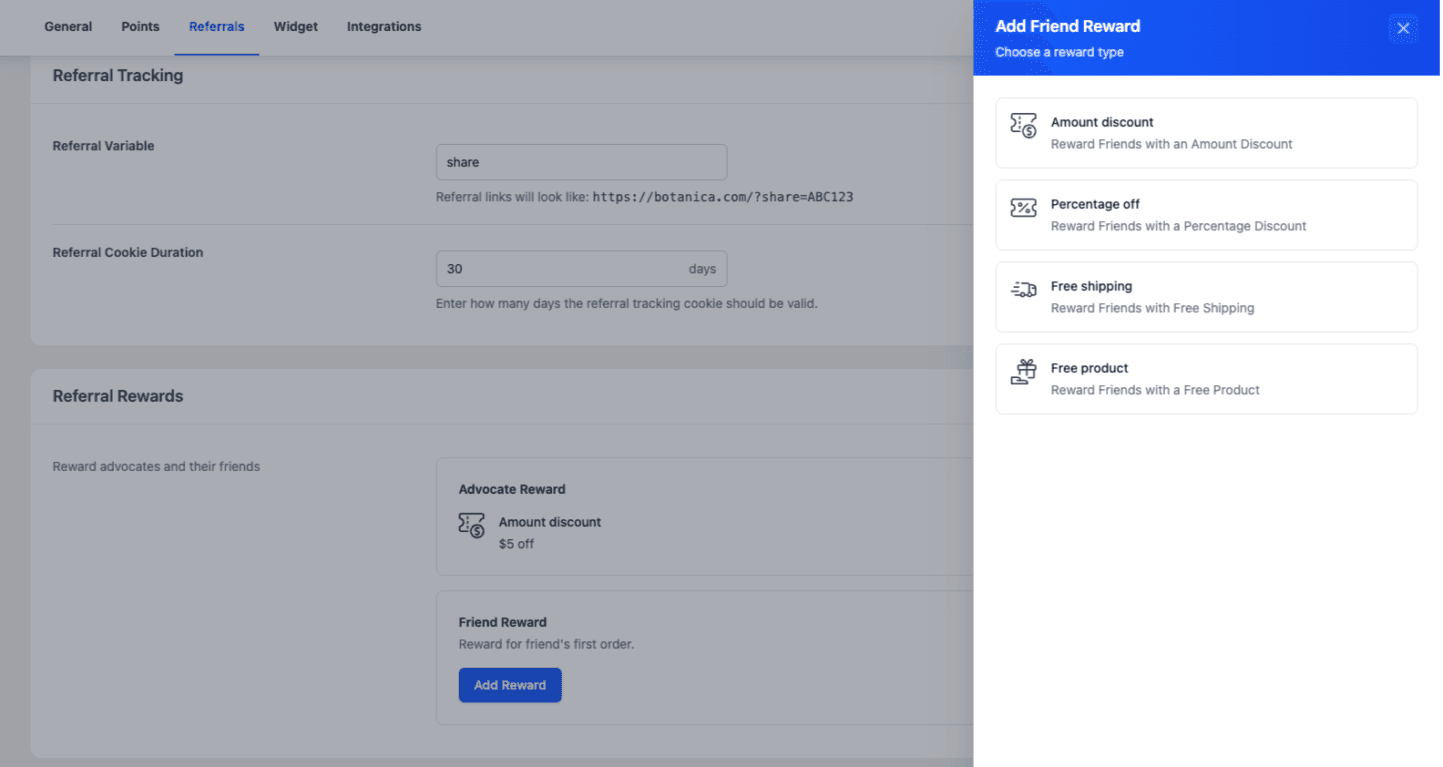
Cover for the guide to referral programs and invite-code growth for vibe projects: referral link viral spread illustration
Guide
Don't Let Your Referral Link Collect Dust: Referral Programs and Invite-Code Growth for Vibe Projects

You shipped invite links in a weekend. A month later: 200 invites sent, 3 signups back, 2 from your own alt accounts. A referral program isn't 'adding a link' — it's an economic system. From the R < CAC x L unit-economics formula: one-sided vs two-sided rewards, pricing four reward types (cash, discount, credits, feature unlocks), runnable Next.js attribution and anti-fraud code, 5 fraud-detection moves, a three-stage launch cadence, K-factor metrics, and failure-mode postmortems.

Growth & MarketingStartup JourneyNext.js
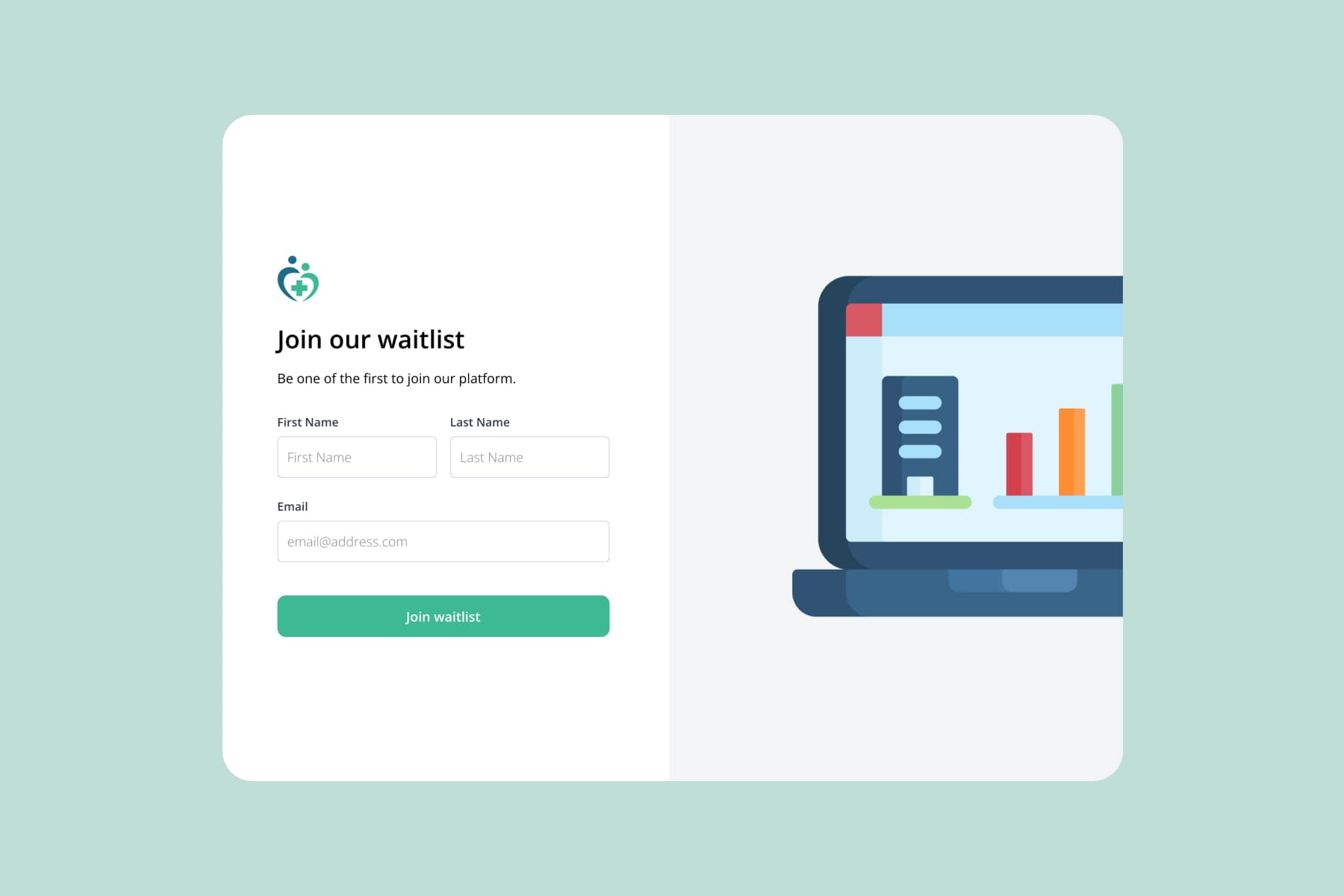
Waitlist conversion funnel illustration: signup, confirmation, warm-up, activation
Guide
Waitlist Playbook: How to Bank Your First Users in the 30 Days Before Launch

A waitlist is not a wishing well — it's a conversion funnel. This guide covers the four waitlist models and a decision table, a one-day Next.js + Supabase implementation (signup API, double opt-in, queue ranking, referral scoring), a week-by-week 30-day operating rhythm, anti-fraud tactics, five launch-day moves, metric thresholds for validation, and how to fix the classic failure of a long queue with nobody showing up.

SupabaseBackend EngineeringGrowth & Marketing
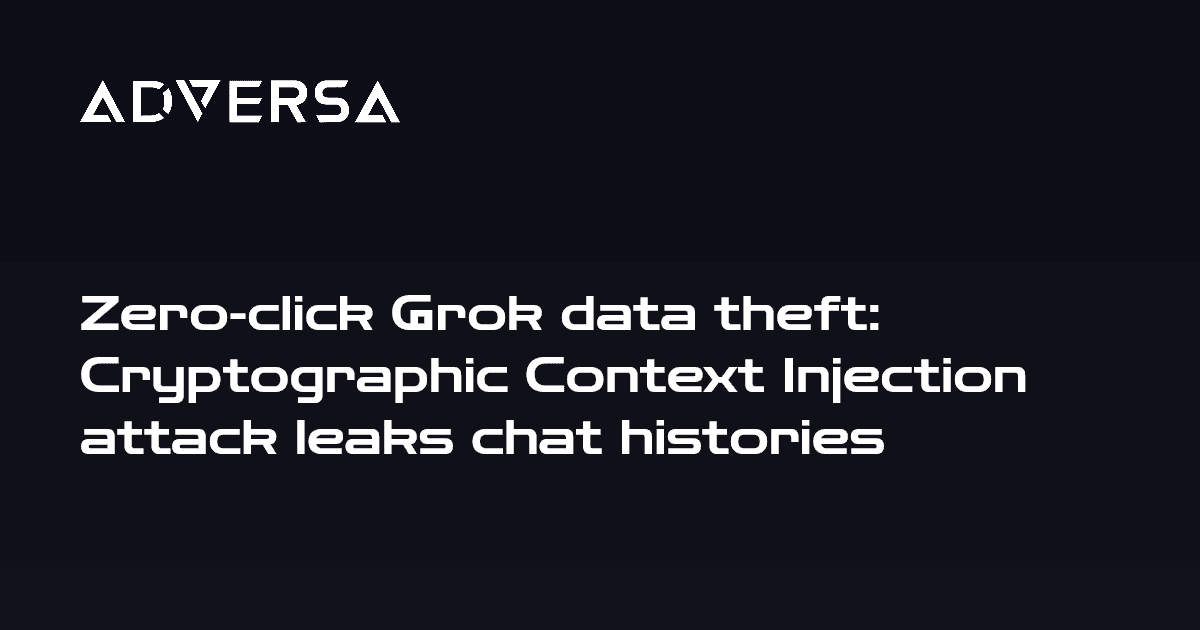
Illustration of a cryptographic context injection attack: Copilot CLI decrypts a malicious page and exfiltrates local secrets to an attacker
News
One Encrypted Web Page, 28 Seconds, and Your .env.prod Is Gone: Cryptographic Context Injection Hits GitHub Copilot CLI

Adversa AI disclosed CCI on October 6: malicious instructions hidden in AES-256 ciphertext trick Copilot CLI in autopilot mode into decrypting them in its own runtime and obeying the output as trusted instructions. In the demo, one encrypted page made the agent read a local .env.prod and silently exfiltrate it in 28 seconds. Microsoft's mai-code-1.1-flash fell for it half the time while GPT-5.6 models refused it outright; GitHub reproduced the chain but declined to call it a vulnerability.

GitHub CopilotAI AgentAI Coding
Illustration of a road splitting into two paths, symbolizing A/B testing dividing traffic into control and variant groups
Guide
Stop Guessing Button Colors: A/B Testing and Experiment Design for Vibe Projects

Low traffic means you need experiment design more, not less. A field guide for vibe builders: the three myths (sample-size illusion, peeking, testing only UI colors), a one-sentence hypothesis template with north-star vs. guardrail metrics, a sample-size lookup table and run-length formula, a 30-line Next.js feature-flag middleware with a three-stage rollout, five classic traps with real crash stories, a PostHog/GrowthBook/DIY cost comparison, and a one-page experiment retro template.

Indie DevelopmentProduct StrategyGrowth & Marketing
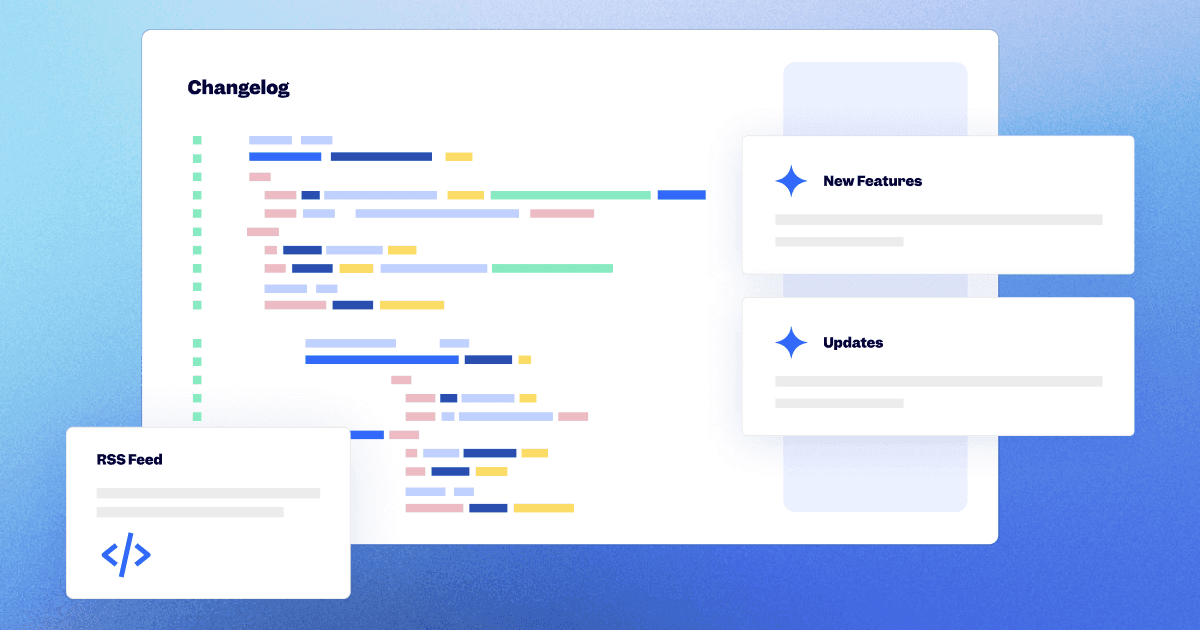
Illustration of a product changelog timeline page with a release announcement modal beside it
Guide
Shipped But Silent: A Vibe Project Guide to Changelogs and Release Communication

Vibe projects ship five times a week, yet users perceive zero releases. This guide covers Keep a Changelog conventions, the honest art of 0.x versioning, a four-part breaking-change communication kit, channel-specific messaging for in-app modals, email, X and Product Hunt, good-vs-bad writing templates, public roadmap options, plus a copy-pasteable React changelog timeline, an RSS feed script, and release SOPs.

Tool TipsProduct LaunchDeployment
Illustration of a robotic hand reaching toward a glowing digital payment screen, symbolizing an AI agent paying autonomously
News
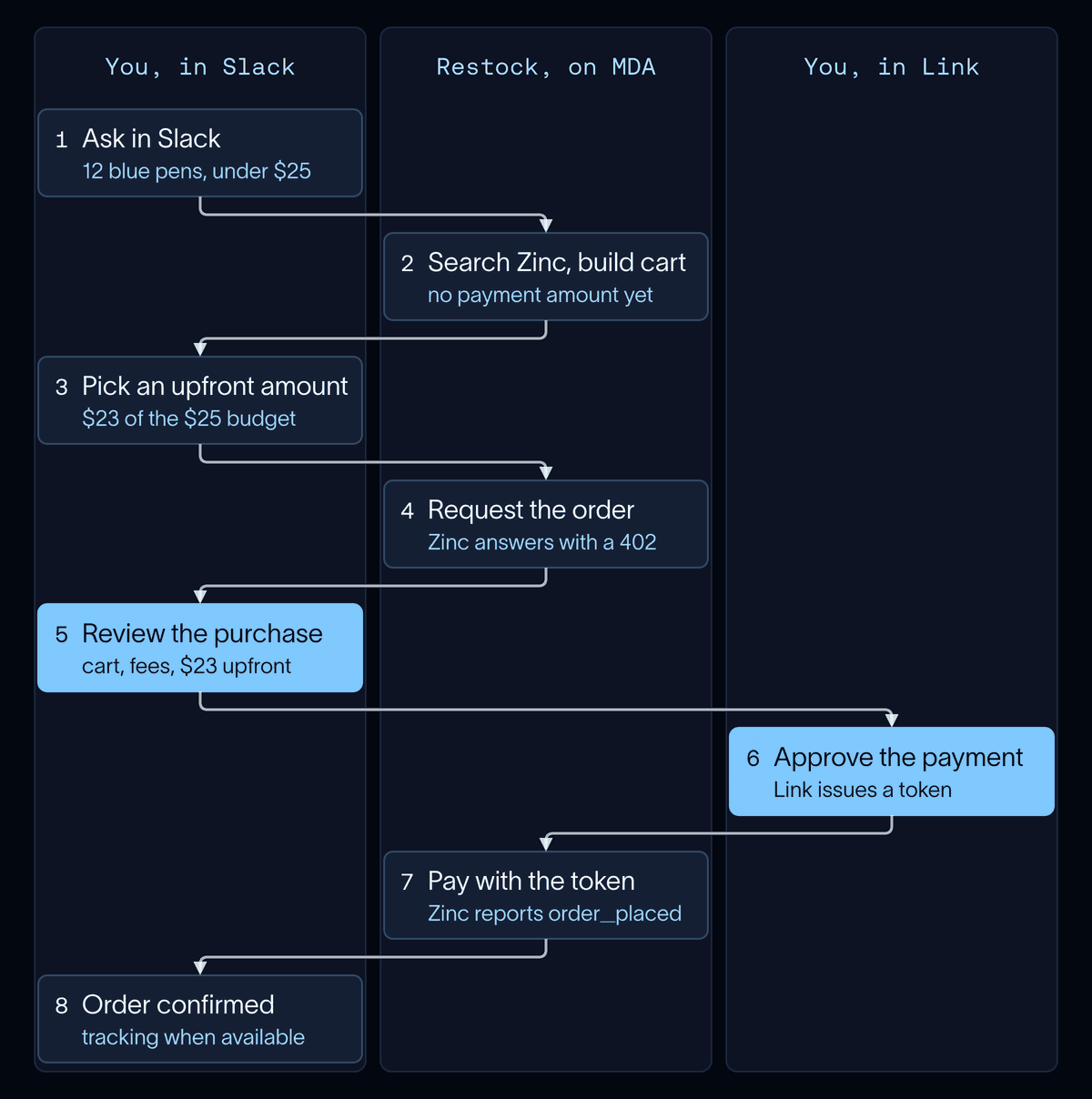
Agents Are Spending Their Own Money: LangChain's Two-Track Payments Push and the x402 Settlement Layer

On October 8 LangChain open-sourced Restock, an agent that shops in Slack and pays with Stripe's Link wallet (real $22.18 order, real refund) — while its August 18 AgentCore Payments middleware wired the x402 protocol into the LangChain toolchain for autonomous micropayments. This piece breaks down the two payment tracks, an x402 vs. Stripe decision framework, budget guardrails for one-person teams, and the security red lines.

Industry TrendsPayments & MonetizationAI Agent