VIBEFIX EXPLORE

Explore what to build next

Reusable AI coding guides, tool updates, and signals from the builder ecosystem.

Featured

Latest

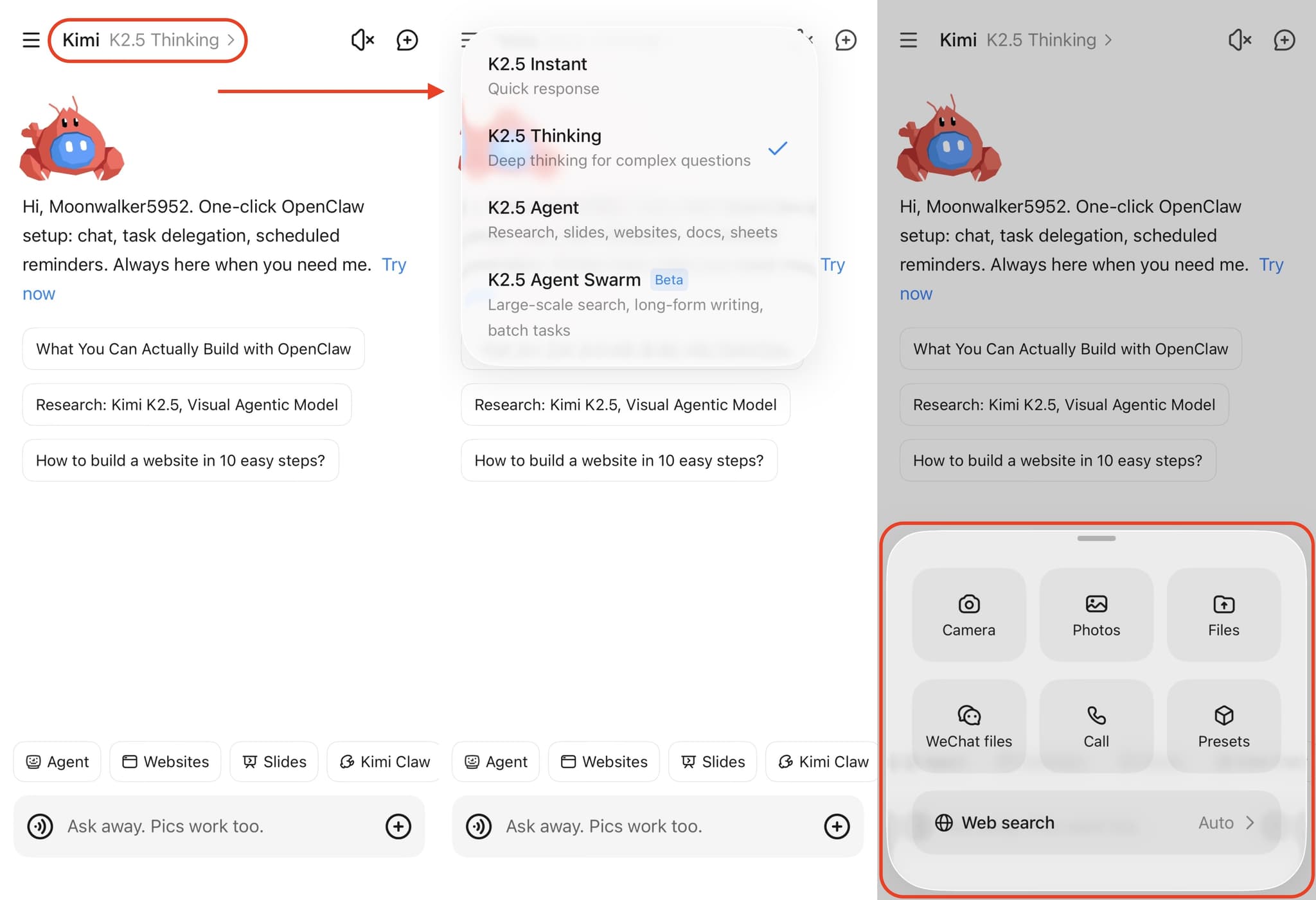
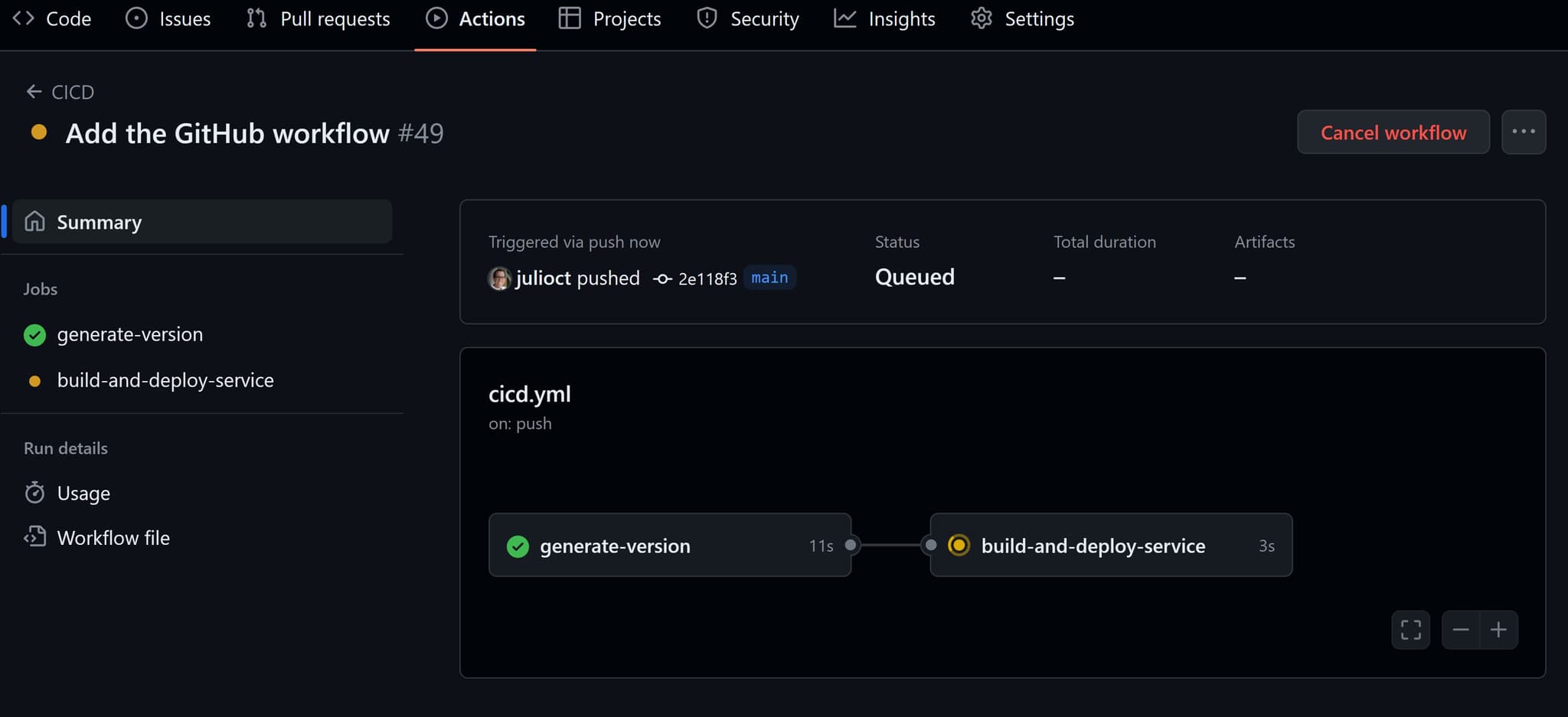
GitHub Actions pipeline run view showing five check jobs passing with green checkmarks
Guide
Solo Dev's First Pipeline: The 5-Job Minimal CI/CD Setup

Release strategy and launch-day ops get all the attention, but nobody talks about step zero: what should the very first CI pipeline look like for a one-person vibe project with no code review? This guide gives you a keep-or-cut decision table for 5 jobs, a copy-paste-ready GitHub Actions template, preview deploys with AI visual review, a database migration gate, a 60-second post-deploy smoke check SOP, and 4 classic over-engineering anti-patterns.

Developer WorkflowDeploymentGitHub
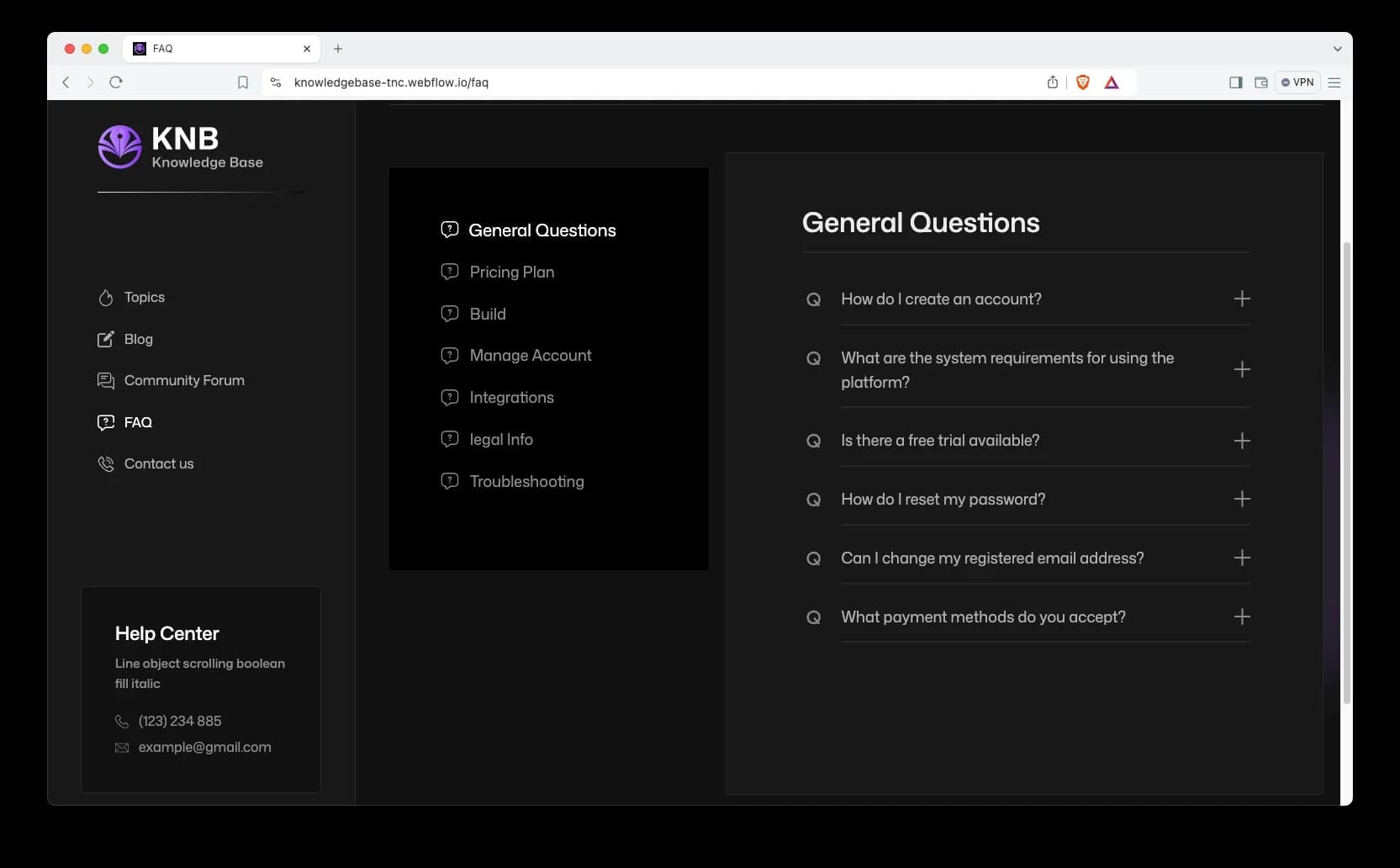
Conceptual illustration of a help-center knowledge base: search bar, category cards and doc pages forming a self-serve support system
Guide
The Help Center Playbook: Shipping Self-Serve Docs for Your Vibe-Coded Project

Great UX can't answer policy questions, error-message searches, or pre-purchase trust checks. This guide gives solo developers a shippable help-center methodology: a four-quadrant matrix for what to document, a 6-category IA template, writing skeletons for 6 article types, a three-stage AI-drafting workflow from your codebase, a minimal docs-as-code setup for one person, a release-tied doc-debt checklist, and a monthly 1-hour maintenance SOP.

Design ExperienceIndie DevelopmentProduct Strategy
Guide cover illustration: a keyboard Tab focus ring intertwined with screen-reader sound waves
Guide
Don't Lock Disabled Users Out: Accessibility (a11y) in Practice for Vibe-Coded Projects

AI-generated UI never presses Tab and never turns on a screen reader — accessibility failures are invisible inside its visual feedback loop. This hands-on guide gives you a P0/P1/P2 prioritized checklist, four copy-paste prompt templates, a 30-minute free audit routine, before/after fixes for 6 high-frequency code failures, and a pre-launch acceptance checklist.

Design ExperienceFrontend EngineeringTesting & Quality
Vidu Q4 Preview launch visual: AI video generation priced at $0.014 per second, 15 reference images locking character consistency
News
Shengshu's Vidu Q4 Preview: Flagship Video Generation at $0.014/sec, 15 Reference Images, 2K/4K — Public Preview First

On October 7, Shengshu Technology launched Vidu Q4 Preview: flagship video generation starting at $0.014/sec (~14 cents for a 10-second clip), with up to 15 image references, 3 audio references, and 2K/4K 10-bit output. The public preview ships first, with creator feedback shaping the final release. We break down the price war for indie developers, the 15-image consistency fix, positioning vs. Sora/Runway/Veo, and when vibe coders should wire video generation in.

Industry TrendsProduct LaunchProduct News
Strands Box cover illustration: an AI agent boxed inside a macOS sandbox while the egress gateway and Dogwood policy engine enforce rules from outside
News
AWS Open-Sources Strands Box: An Agent Sandbox Whose Policies Remember What the Agent Did

AWS has open-sourced Strands Box, a Rust agent sandbox under Apache 2.0 that pairs OS-level isolation with the Dogwood temporal policy engine. Rules can now decide based on the agent's history — cut the network after sensitive files are read, cap Slack posts at three per ten minutes; secrets are injected at the egress gateway so the agent never sees them. macOS first, in developer preview.

AI CodingOpen-source ProjectsSecurity & Privacy
Argo-Bench benchmark illustration: a data agent navigating a 235-table simulated ERP warehouse while a grader scores the consequences of its actions
News
Argo-Bench: Grading Data Agents on Consequences, Not Correct Answers — Best Model Clears Only 34.8% of Tasks

TextQL Labs' Argo-Bench grades data agents on the consequences of their actions inside a simulated 235-table, 7.5-billion-row ERP warehouse — not on query correctness. The best of 14 models (Opus 5.5) clears 95+ on only 34.8% of 210 tasks. What this exposes about data agents, and the consequence-checklist practices solo developers can steal.

Industry TrendsTesting & QualityAI Coding
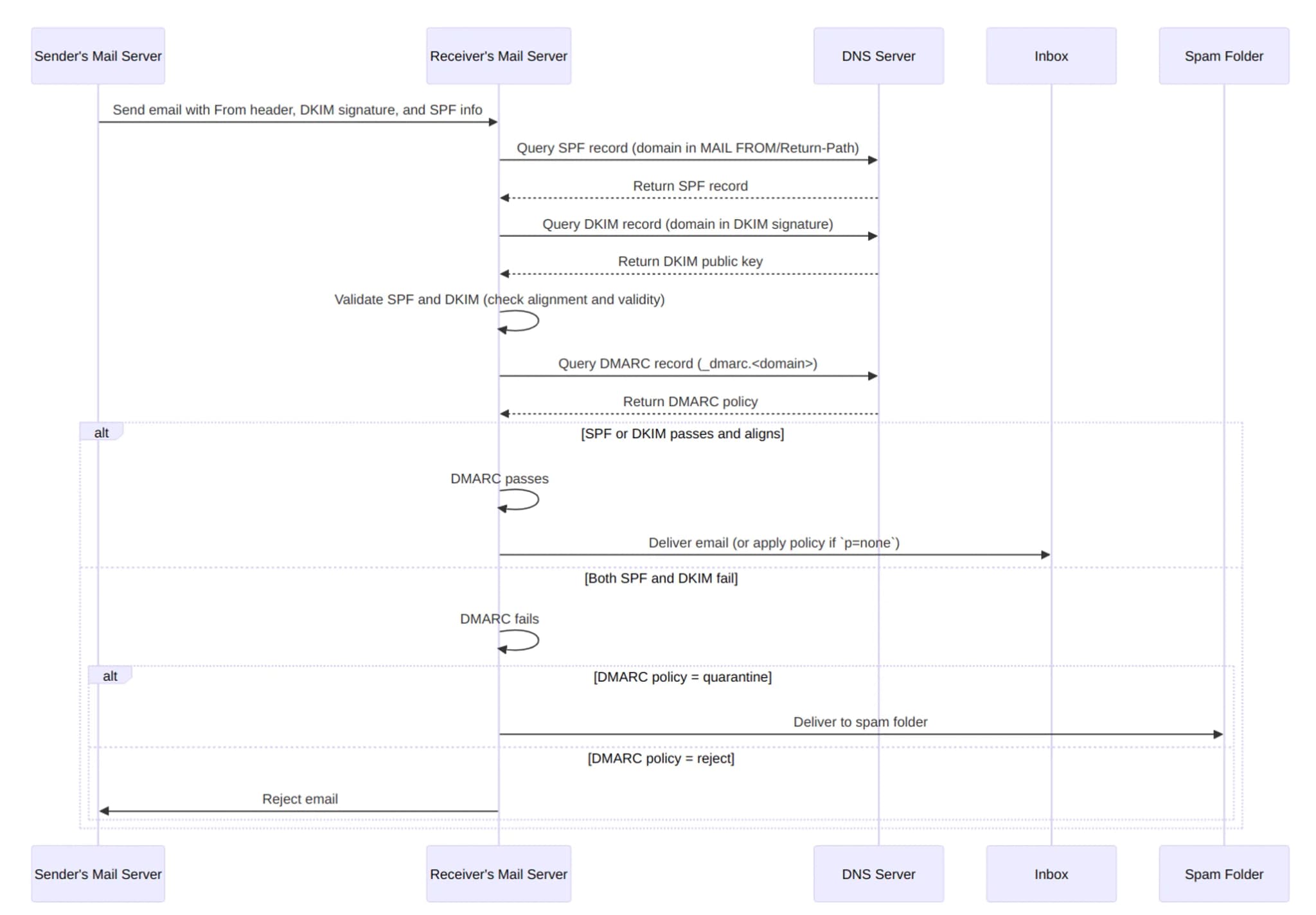
Concept illustration of a verification email flying from a server to an inbox, passing through three checkpoints labeled SPF, DKIM, and DMARC
Guide
Don't Let Your First Email Land in Spam: Transactional Email Infrastructure for Vibe Projects

Signup verifications, password resets, order notifications — almost every vibe project needs transactional email on day one, yet most wire up a random SMTP and watch those emails die in spam. This guide covers why transactional and marketing mail must never share a channel, a Resend vs AWS SES vs Postmark decision tree with pricing, a hands-on SPF/DKIM/DMARC walkthrough on Cloudflare, a spam troubleshooting checklist, and the CAN-SPAM/GDPR baseline — with copy-paste DNS records and code.

Tool TipsBackend EngineeringIndie Development
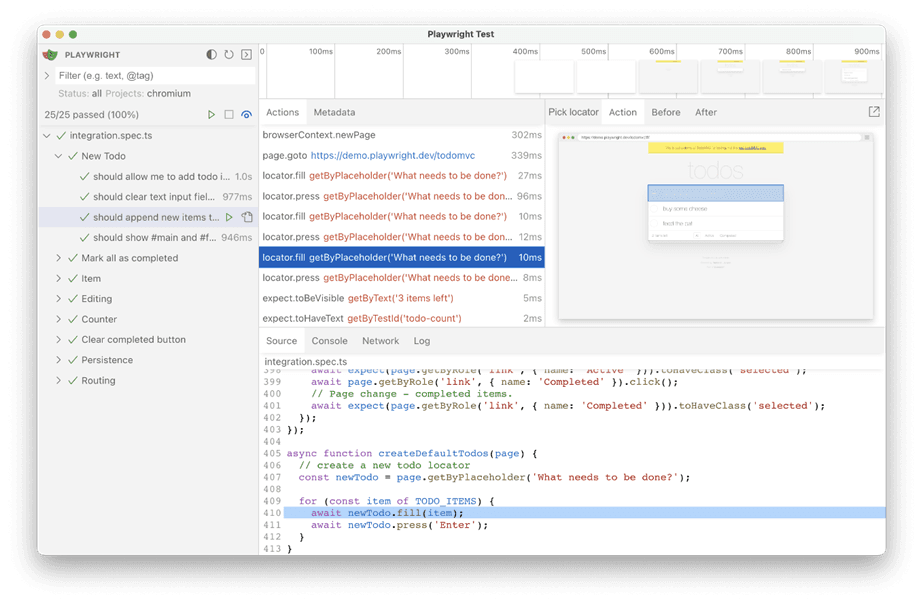
Illustration of a Playwright E2E regression testing workflow: a solo developer reviewing a browser test report alongside a CI pipeline
Guide
Solo Regression Testing in the AI Era: The Minimum-Cost Playwright E2E Playbook

AI's biggest fear when editing code: fixing A breaks B. This execution-layer companion to our AI Testing Strategy shows solo developers how to build an E2E regression moat with Playwright, 5 golden paths, a data-testid convention, and GitHub Actions — one hour to set up, one hour a week to maintain, inside the free tier, with copy-ready code.

Developer WorkflowIndie DevelopmentTesting & Quality
Kimi K3 logo beside the OpenAI Codex developer interface and a billing invoice graphic
News
Kimi K3 Enters OpenAI's Enterprise Codex Channel — the First Chinese Open Model Inside OpenAI Billing

Moonshot AI's Kimi K3 has entered OpenAI's enterprise Codex channel via US inference provider Baseten. Enterprise customers can now burn existing OpenAI spending commitments on the Chinese open model — no new supplier contract needed. Sina Finance calls it the first Chinese open model to enter OpenAI's enterprise billing system. This piece unpacks the three-way split (Baseten/Codex/OpenAI billing), the Bedrock revenue-sharing lead-up, and what billing-neutral model choice means for developers.

Industry TrendsOpenAI CodexModel Updates