On September 22, Anthropic released Claude Opus 5.5 — outperforming Opus 5 across the board while costing 40% less on typical workloads. The first "better and cheaper" flagship, and it sets the tone for the year's model price war.
VIBEFIX EXPLORE
Explore what to build next
Reusable AI coding guides, tool updates, and signals from the builder ecosystem.
Featured
Latest
On September 18, a security advisory revealed that Z.ai's ZCode was silently packaging entire workspaces for upload. Days later, Z.ai open-sourced the whole thing under Apache 2.0 — 4,200 stars in 7.5 hours. A scandal forced a textbook crisis response.
On September 25, Microsoft unveiled a revamped Copilot with three big additions — Home, Code and Autopilot — pushing the assistant from a chat box toward an "operating system for work." It's the boldest step in Copilot's reinvention yet.
Ant Group's LingGuang, launched last week, passed one million downloads in four days, topping Apple's China App Store free utilities chart — its “flash program” feature crashed under the traffic. Describe an idea in natural language, get an interactive app in 30 seconds. Ant says it hit a million downloads faster than ChatGPT and Sora.
Eugenia Kuyda, founder of Replika, is pivoting her AI startup Wabi: Wabi 2.0 goes from “build apps with prompts” to an AI messenger that builds apps for you in the moment — aiming to be “the OS for the agentic era.” Invite-only for now.
The New Yorker's September 23 feature: Liangzhu, on the outskirts of Hangzhou, has become China's "vibe-coding capital." AI fortune-telling app FateTell counts hundreds of thousands of users; ex-big-tech workers move here to build software with AI and escape 996. The AI divination market is projected past 120 billion yuan in 2025.
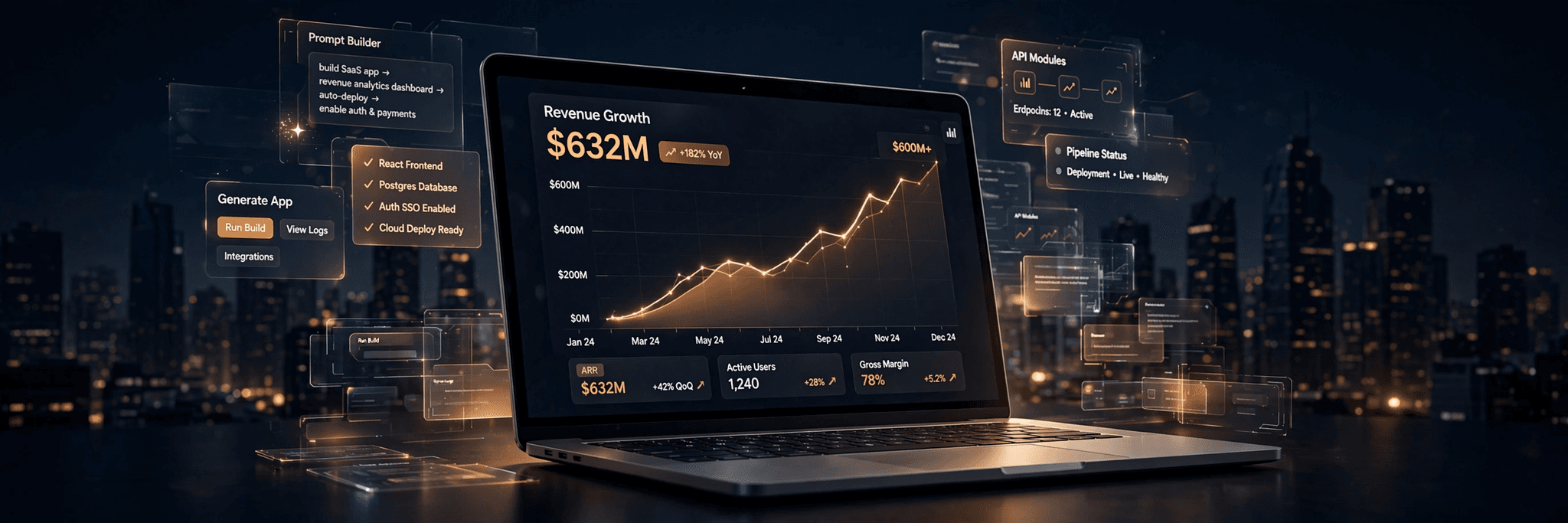
At the HumanX summit in Amsterdam on September 24, Lovable co-founder Fabian Hedin announced $600 million in annualized revenue — up from $500 million in June. Two-thirds of the Fortune 500 use it; user-built apps draw nearly a billion monthly visits. In August the startup raised $400 million at a $13.3 billion valuation.
Sabrine Matos had zero technical background, yet shipped women's safety platform Plinq in 45 days with Lovable: instant “background checks” from public criminal records plus a one-tap alert button, reaching $456K ARR. “AI for good” meets non-programmer triumph — vibe coding's most tasteful narrative.
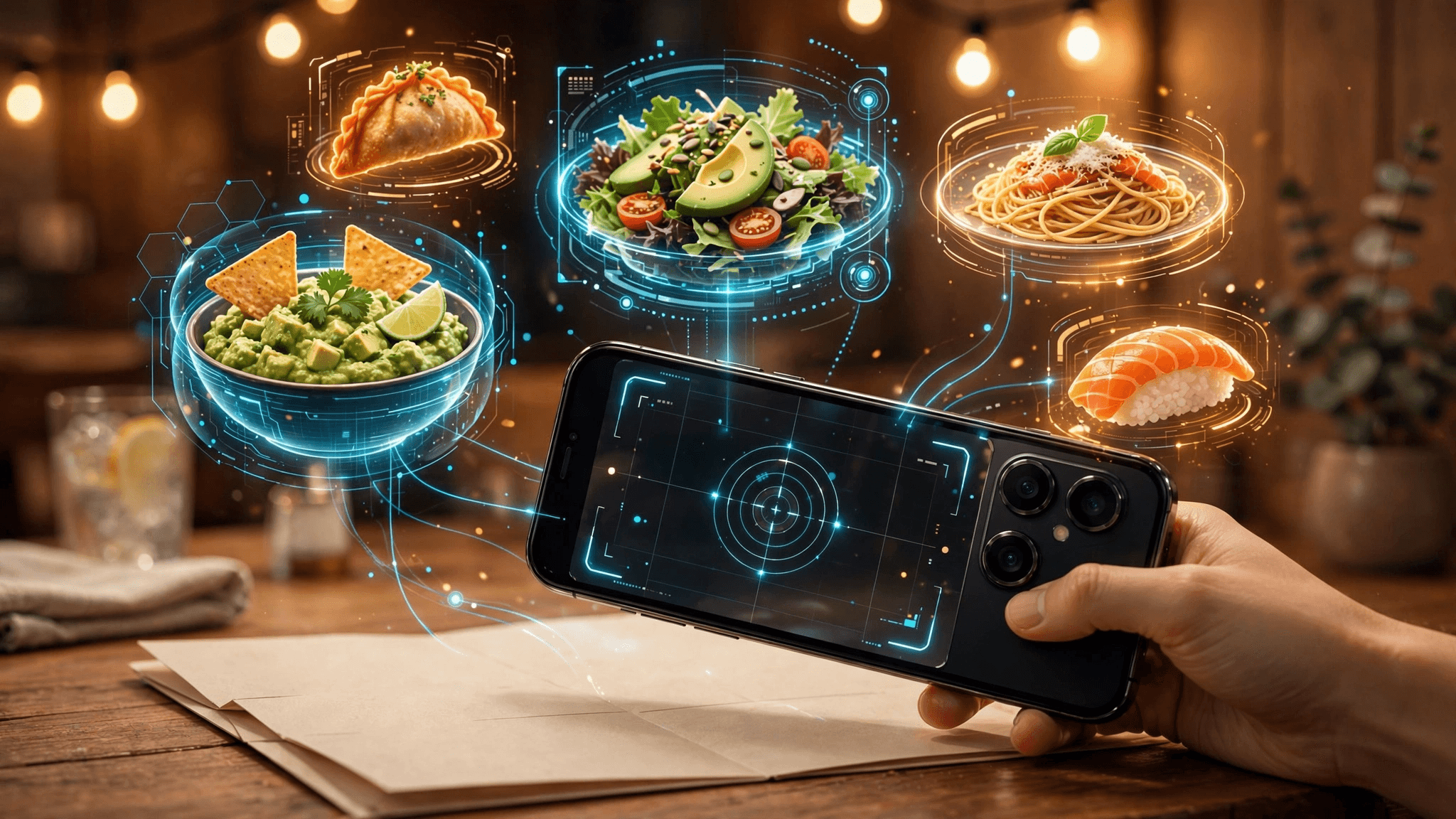
Andrej Karpathy — the man who coined “vibe coding” — built an app himself: snap a restaurant menu photo, AI generates a picture per dish. The twist: at Sequoia AI Ascent 2026 he personally “pronounced his own product dead” — one Gemini prompt overlays dish images right onto the original photo, making the whole app redundant. A question every AI product must answer.
Legendary indie hacker Pieter Levels had zero game-dev experience, yet vibe-coded a 3D multiplayer flight simulator in the browser — Fly.Pieter.com — in 3 hours with Cursor + Claude 3.7. It peaked at 26,000 concurrent players and hit $1M ARR 17 days after launch: the benchmark money-making myth of vibe coding.