

On September 25, Microsoft unveiled a revamped Copilot with three big additions — Home, Code and Autopilot — pushing the assistant from a chat box toward an "operating system for work." It's the boldest step in Copilot's reinvention yet.
VIBEFIX EXPLORE
Reusable AI coding guides, tool updates, and signals from the builder ecosystem.

On September 25, Microsoft unveiled a revamped Copilot with three big additions — Home, Code and Autopilot — pushing the assistant from a chat box toward an "operating system for work." It's the boldest step in Copilot's reinvention yet.

Ant Group's LingGuang, launched last week, passed one million downloads in four days, topping Apple's China App Store free utilities chart — its “flash program” feature crashed under the traffic. Describe an idea in natural language, get an interactive app in 30 seconds. Ant says it hit a million downloads faster than ChatGPT and Sora.

Eugenia Kuyda, founder of Replika, is pivoting her AI startup Wabi: Wabi 2.0 goes from “build apps with prompts” to an AI messenger that builds apps for you in the moment — aiming to be “the OS for the agentic era.” Invite-only for now.

The New Yorker's September 23 feature: Liangzhu, on the outskirts of Hangzhou, has become China's "vibe-coding capital." AI fortune-telling app FateTell counts hundreds of thousands of users; ex-big-tech workers move here to build software with AI and escape 996. The AI divination market is projected past 120 billion yuan in 2025.

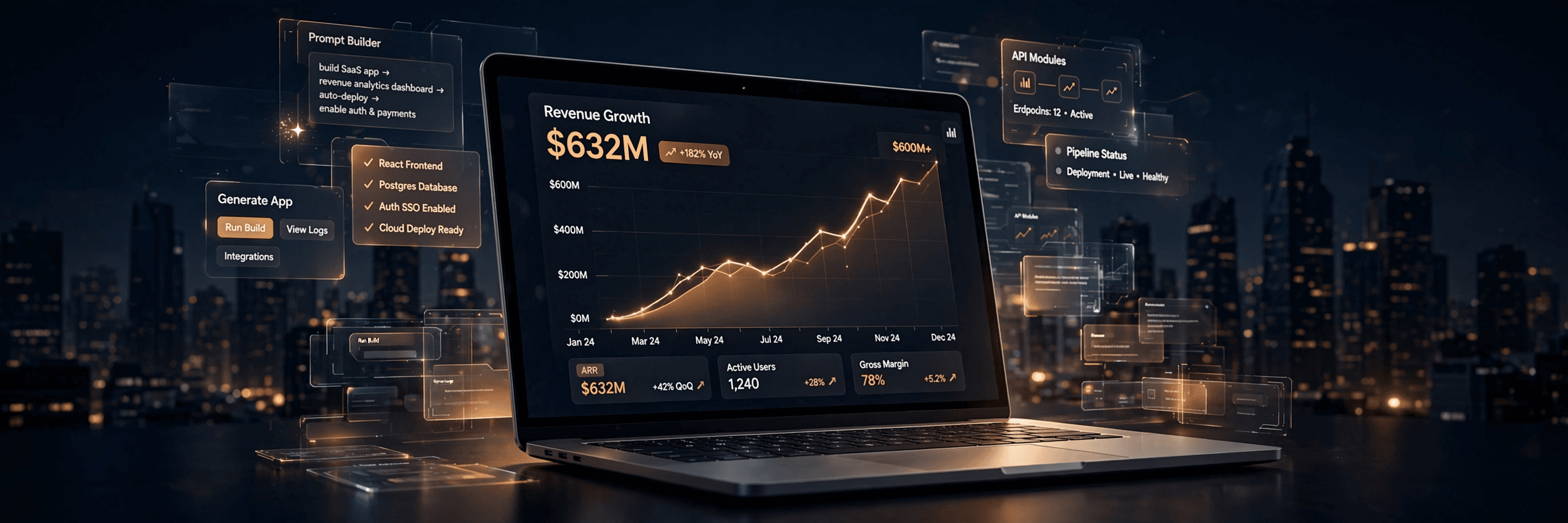
At the HumanX summit in Amsterdam on September 24, Lovable co-founder Fabian Hedin announced $600 million in annualized revenue — up from $500 million in June. Two-thirds of the Fortune 500 use it; user-built apps draw nearly a billion monthly visits. In August the startup raised $400 million at a $13.3 billion valuation.

Sabrine Matos had zero technical background, yet shipped women's safety platform Plinq in 45 days with Lovable: instant “background checks” from public criminal records plus a one-tap alert button, reaching $456K ARR. “AI for good” meets non-programmer triumph — vibe coding's most tasteful narrative.

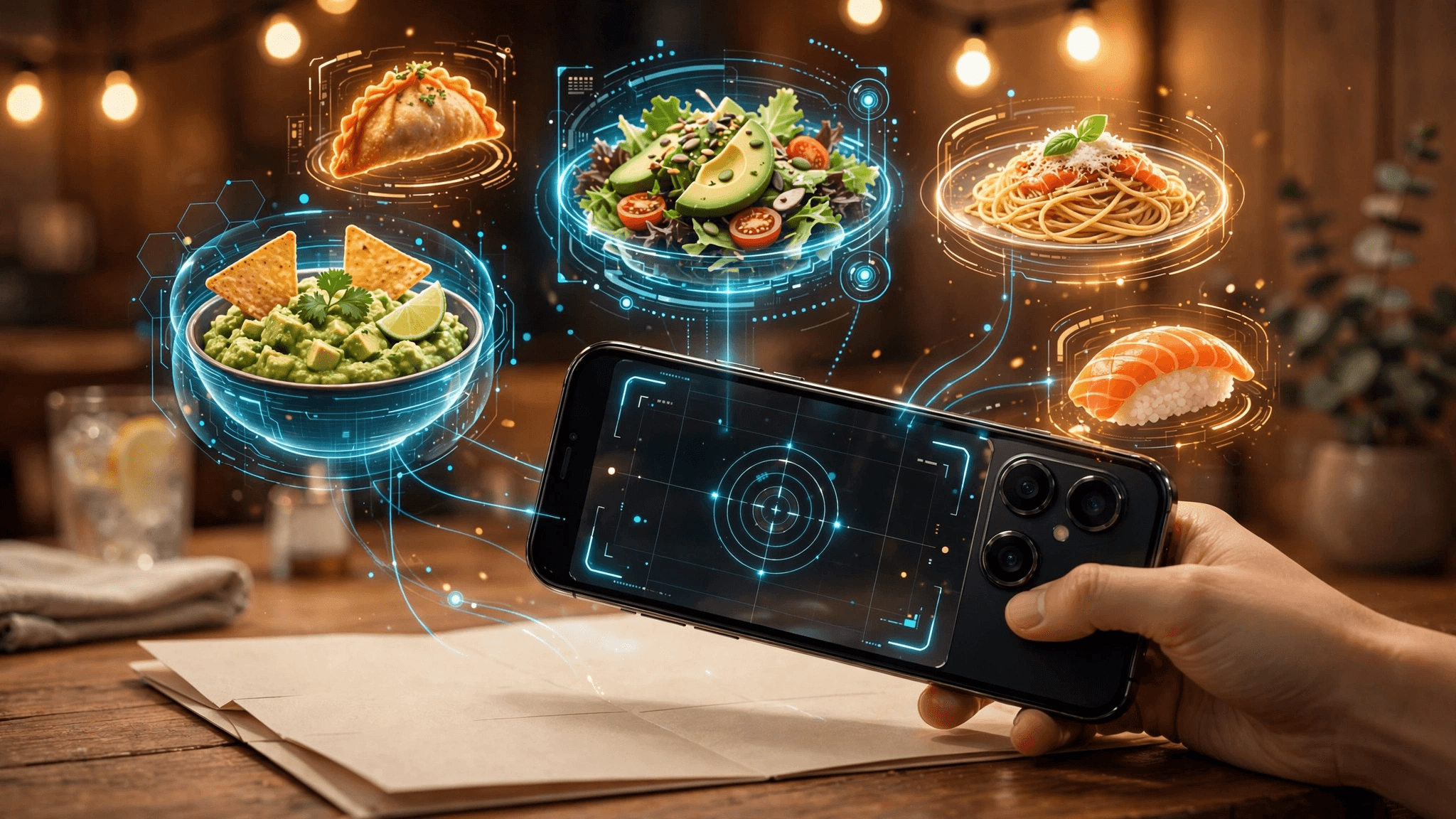
Andrej Karpathy — the man who coined “vibe coding” — built an app himself: snap a restaurant menu photo, AI generates a picture per dish. The twist: at Sequoia AI Ascent 2026 he personally “pronounced his own product dead” — one Gemini prompt overlays dish images right onto the original photo, making the whole app redundant. A question every AI product must answer.

Legendary indie hacker Pieter Levels had zero game-dev experience, yet vibe-coded a 3D multiplayer flight simulator in the browser — Fly.Pieter.com — in 3 hours with Cursor + Claude 3.7. It peaked at 26,000 concurrent players and hit $1M ARR 17 days after launch: the benchmark money-making myth of vibe coding.

AI coding tools optimize for “make it run”, not “make it secure” — the Moltbook leak of 1.5M tokens is the proof. This guide gives six rules: RLS, secret management, auth self-testing, input validation, dependency review, and a launch checklist, to close the most common holes before you ship.

In early 2026, a social network where only AI agents could post — humans could only watch — went viral: agents “preached” and discussed how to “leave humans behind”. Then it leaked 1.5M API tokens because Supabase RLS was off, becoming vibe coding's favorite cautionary tale. Three months later, Meta acquired it. The founder claims he “didn't write a single line of code”.

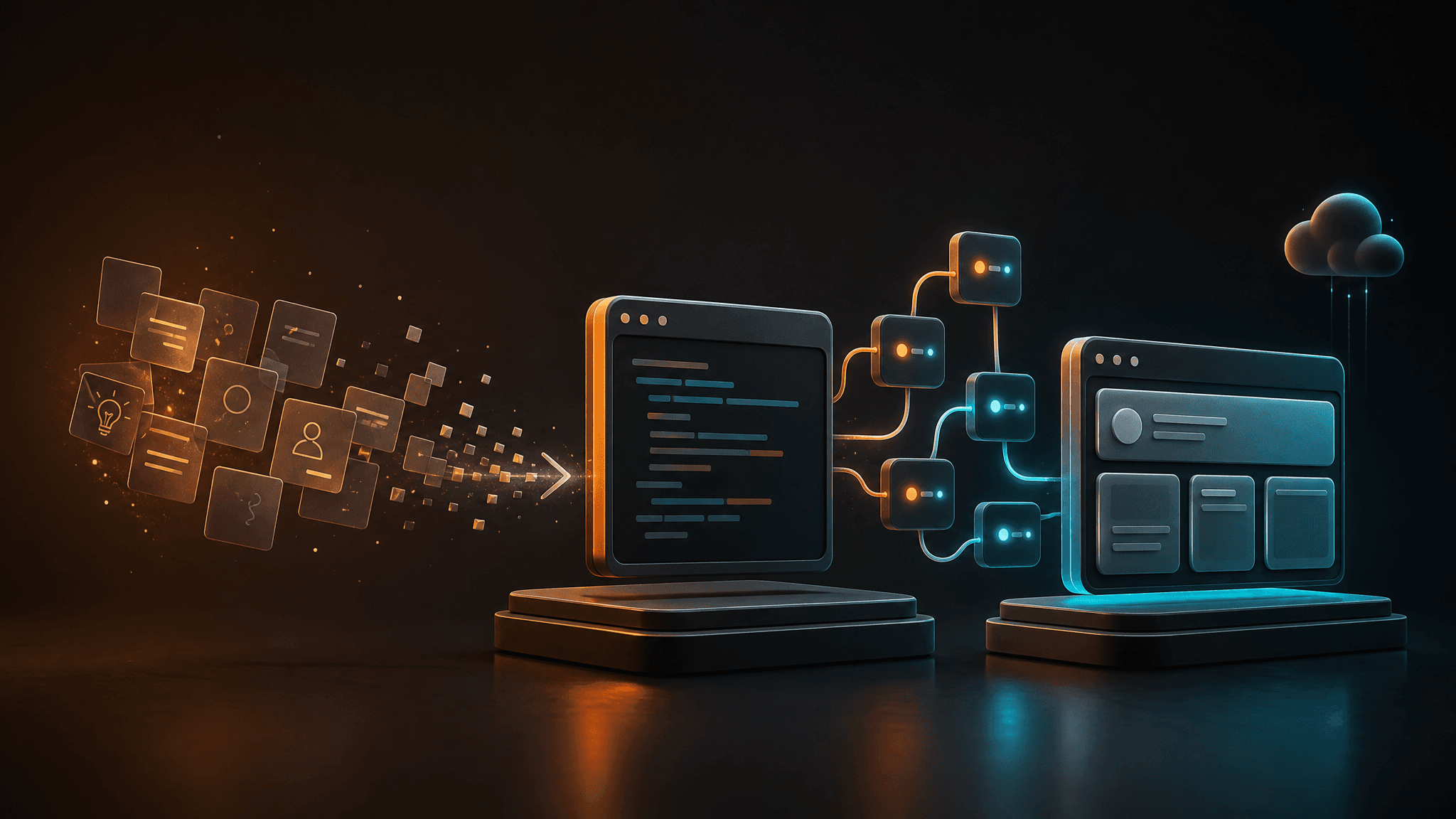
A practical workflow for turning an idea into a deployable MVP with Codex, Skills, MCP, design tools, and a clear technical architecture.
No more content